Photo: Roken Manases / Pexels
South-African
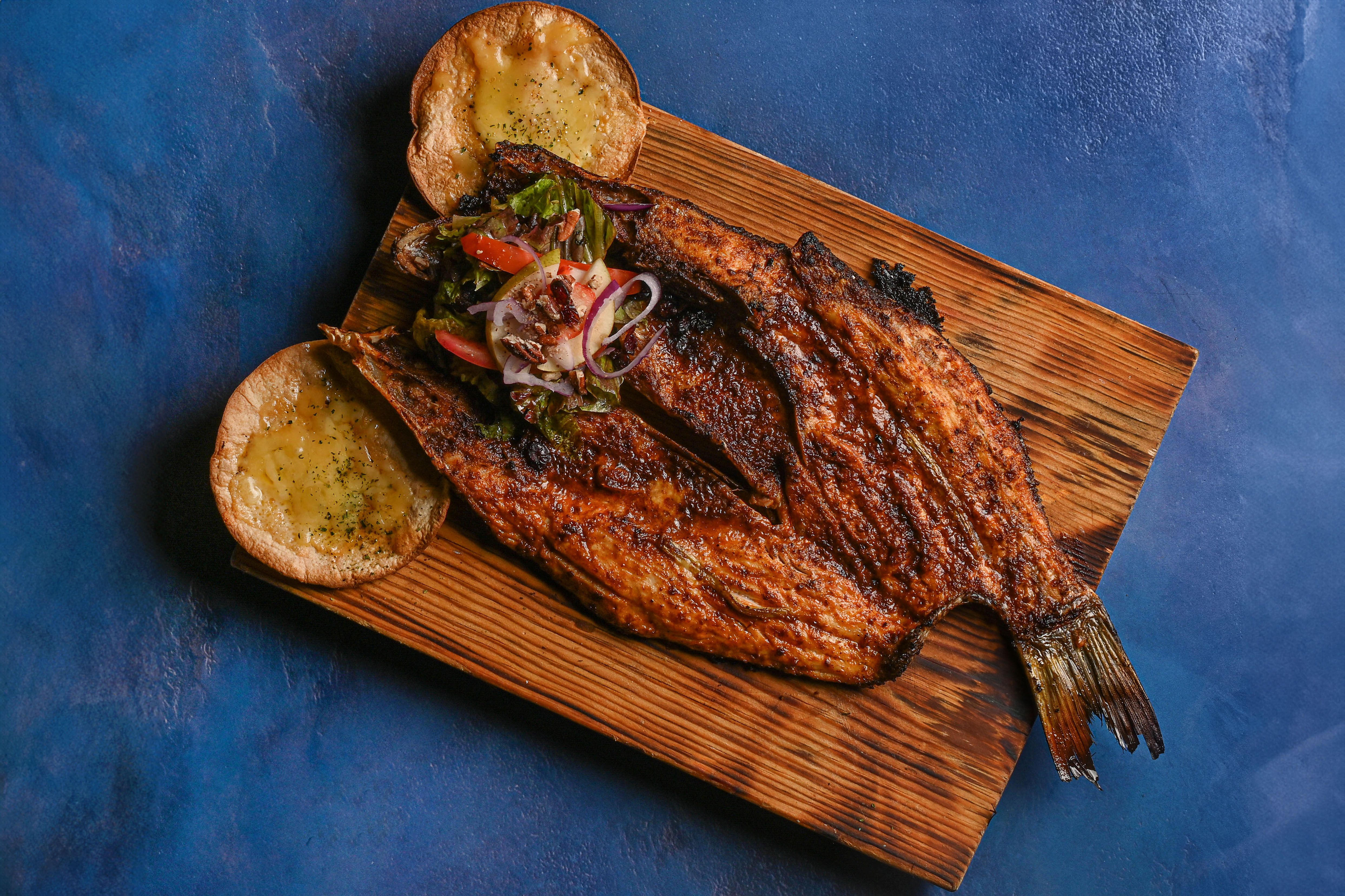
Snoek Braai
The diets react (see scores below)
Common Ingredients
- snoek
- apricot jam
- butter
- garlic
- lemon
- white wine
- salt
Specific recipes may vary.
Incompatible with 4 of 11 diets
Diet Ratings
Snoek is an excellent fatty fish that fits keto perfectly, and most other ingredients (butter, garlic, lemon, white wine in small amounts) are keto-compatible. However, the traditional use of apricot jam is a significant problem — apricot jam is high in sugar and net carbs, and even a modest basting amount (1-2 tbsp per serving) can add 10-20g of net carbs. The dish is structurally keto-friendly but the apricot jam is a classic, defining ingredient that cannot simply be omitted without changing the dish's character. With a strict keto-compliant apricot jam substitute (e.g., sugar-free apricot preserves), this dish would easily score 8-9. As traditionally prepared, portion size and jam quantity must be carefully managed.
Some lazy keto or flexible keto practitioners would argue that a small basting glaze spread over a large portion of fatty fish keeps the per-serving carb load manageable within a 50g daily limit, and would approve this dish with mindful portioning. Strict keto and clinical keto protocols would flag any added sugar ingredient as a categorical disqualifier regardless of quantity.
Snoek Braai is a traditional South African grilled fish dish that is fundamentally incompatible with a vegan diet. It contains multiple animal-derived ingredients: snoek (a species of fish/seafood), and butter (a dairy product). Fish is unambiguously an animal product excluded by all vegan standards, and butter is an animal-derived dairy fat. These two ingredients alone make this dish entirely off-limits for vegans, regardless of the plant-based components (apricot jam, garlic, lemon, white wine) also present.
Snoek Braai is a classic South African grilled fish dish, and while snoek itself is an excellent paleo protein, the traditional glaze contains several non-paleo ingredients that disqualify this dish. Apricot jam is a heavily refined, sugar-laden product — not simply dried or whole apricot. Butter is a dairy product excluded under strict paleo rules. Salt is an added ingredient excluded by paleo guidelines. White wine, while debated, introduces an alcoholic and processed element. Taken together, the dish as traditionally prepared contains multiple clear paleo violations: refined sugar (jam), dairy (butter), and added salt. The base fish is paleo-approved, but the preparation method as described makes this a dish to avoid.
Snoek is an oily, nutrient-rich fish that strongly aligns with Mediterranean principles of eating fish 2-3 times weekly. However, the dish is held back by two notable ingredients: apricot jam introduces added sugar, and butter is used as the primary cooking fat rather than extra virgin olive oil. The garlic, lemon, and white wine are Mediterranean-friendly. The grilling method (braai) is healthy and analogous to Mediterranean grilling traditions. Overall, the fish base is excellent, but the sweet jam glaze and butter fat source pull this away from core Mediterranean ideals.
Some Mediterranean diet interpretations, particularly those rooted in traditional southern European coastal practices, would treat any grilled oily fish as broadly approvable regardless of minor glaze ingredients, arguing that the overall pattern and protein source matter more than small amounts of condiments. The butter could also be viewed as acceptable in the spirit of traditional regional variations where olive oil was not always available, provided it is used sparingly.
Snoek Braai is disqualified from the carnivore diet primarily due to apricot jam, which is a plant-derived, sugar-laden processed food — one of the clearest violations of carnivore principles. Lemon and white wine are also plant-derived ingredients that strict carnivore excludes. While snoek (a fatty fish species) and butter are carnivore-compatible, and garlic is debated, the apricot jam alone makes this dish incompatible. The traditional South African preparation is fundamentally built around the sweet-savory jam glaze, so removing it would constitute an entirely different dish. This is not a borderline case.
This dish contains two excluded ingredients: apricot jam (contains added sugar) and butter (dairy, not ghee). Snoek is a compliant fish, garlic, lemon, salt, and white wine are all allowed, but the classic braai glaze relies on apricot jam which is a sugar-laden condiment, and regular butter rather than the only permitted dairy exception (ghee/clarified butter). Both violations are clear-cut under Whole30 rules.
Snoek (a firm, oily fish native to South African waters) is inherently low-FODMAP, as is butter, lemon juice, white wine (in small quantities), and salt. The two problematic ingredients are garlic and apricot jam. Garlic is high-FODMAP due to fructans and should be avoided during elimination — however, if garlic is used only to infuse the basting oil/butter and then removed, the fat-soluble preparation would be low-FODMAP. This is an important distinction that depends entirely on preparation method. Apricot jam is the other concern: apricots are high in polyols (sorbitol), and commercial apricot jam typically contains concentrated fruit and added sweeteners. Monash rates apricot jam as low-FODMAP at 1 teaspoon (13g) but high-FODMAP at larger servings. Traditional snoek braai recipes use apricot jam liberally as a glaze, making it likely that a standard serving would exceed the safe threshold. The combination of garlic (as typically used as a crushed/minced ingredient) and generous apricot jam makes this dish risky during elimination without recipe modification.
Monash University rates apricot jam as low-FODMAP at 1 tsp and garlic-infused oil as safe; if the recipe is modified to use garlic-infused butter (garlic removed before basting) and only a light brush of apricot jam, clinical FODMAP practitioners would likely consider this manageable — but as traditionally prepared with crushed garlic and generous jam, most elimination-phase dietitians would advise avoiding or significantly modifying the dish.
Snoek is a fatty fish (similar to barracuda/pike mackerel) that provides lean protein and beneficial omega-3 fatty acids, aligning well with DASH principles. However, the marinade introduces several concerns: apricot jam adds significant added sugar, butter contributes saturated fat, and added salt increases sodium content. The lemon, garlic, and white wine are DASH-friendly components. The fish itself is excellent for DASH, but the preparation method pulls it away from ideal. If butter were replaced with a small amount of heart-healthy oil and jam were minimized or substituted with fresh apricot, this dish would score higher. As commonly prepared in South African braai tradition, the combination of butter, jam, and salt warrants caution rather than approval.
NIH DASH guidelines would flag butter (saturated fat), added sugar from jam, and salt as limiting factors. However, updated clinical interpretations note that the overall dish is fish-based and the quantities of butter and jam may be modest enough per serving that a DASH-minded clinician could accept it as an occasional meal, particularly given the strong evidence for fish consumption in cardiovascular health.
Snoek Braai is a traditional South African dish with a genuinely mixed Zone profile. Snoek (a firm, oily fish related to barracouta) is an excellent lean-to-moderate protein source rich in omega-3 fatty acids, aligning well with Zone principles. Garlic, lemon, and white wine are low-glycemic, polyphenol-rich additions that Sears would approve. However, the glaze relies heavily on apricot jam — a high-sugar, high-glycemic ingredient that disrupts the Zone's carbohydrate quality goals. Butter adds saturated fat, which conflicts with Zone's emphasis on monounsaturated fats, though Sears' later writings are more tolerant of saturated fat in context. The dish can be made Zone-compatible by drastically reducing the apricot jam (treating it as a fraction of a carb block) and substituting or minimizing butter, but as traditionally prepared the sugar load from the jam is significant enough to require careful portioning and pairing with low-GI vegetables to rebalance the 40/30/30 ratio.
Some Zone practitioners following Sears' later anti-inflammatory framework (e.g., The Mediterranean Zone) may be more permissive, noting that the omega-3 richness of snoek, polyphenols from garlic and wine, and the relatively small amount of jam used as a glaze keep this dish workable. They might rate it more favorably if jam quantity is modest, arguing the fish's anti-inflammatory profile outweighs the minor glycemic hit from a glaze.
Snoek is a cold-water fish (Thyrsites atun) caught in South African and Australian waters, providing meaningful omega-3 fatty acids (EPA and DHA), lean protein, and selenium — all anti-inflammatory positives. Garlic and lemon add polyphenols and antioxidants. White wine in a marinade/baste contributes minimal resveratrol and largely cooks off. However, the dish has two notable anti-inflammatory concerns: butter is a saturated fat that the anti-inflammatory framework recommends limiting (extra virgin olive oil would be preferred), and apricot jam introduces added sugar — a pro-inflammatory ingredient. The jam is traditional in South African snoek braai and is used as a glaze, so the quantity may be modest, but refined added sugars should be limited even in small amounts. The net profile is mixed: an excellent anti-inflammatory protein source undermined by saturated fat and added sugar in the preparation. The dish could be meaningfully improved by substituting olive oil for butter and using fresh/dried apricot instead of jam.
Some anti-inflammatory practitioners would rate this more favorably, arguing that butter in modest cooking quantities has a minimal inflammatory impact given the dominant omega-3 benefit of the fish, and that small amounts of natural fruit-based jam as a glaze do not meaningfully raise glycemic load in the context of a complete meal. Others following stricter anti-inflammatory protocols (e.g., those aligned with autoimmune or blood sugar-sensitive frameworks) would rate this lower, emphasizing that any added sugar and saturated fat warrants an 'avoid' verdict.
Snoek is a firm, oily fish (similar to barracouta or pike) with a strong flavour, offering solid protein and beneficial omega-3 fatty acids — both positives for GLP-1 patients. The braai (open-flame grilling) method is preferable to frying and does not add problematic fats. However, the traditional basting sauce combines apricot jam (high sugar, low nutritional value), butter (saturated fat), and white wine (alcohol). These three ingredients together introduce meaningful concerns: the sugar from jam spikes glycemic load with little nutritional return, butter adds saturated fat that can worsen GLP-1 GI side effects, and alcohol — even in a basting sauce where some cooks off — represents a category to minimize on GLP-1 medications due to GLP-1's appetite-suppressing effect masking intoxication. The garlic, lemon, and salt are non-issues and are beneficial. As typically prepared in South African homes, the jam and butter basting is generous. A modified version using a very light apricot glaze, replacing butter with olive oil, and omitting or minimizing wine would score significantly higher (7-8). Rated as traditionally prepared, this is a caution — good protein foundation undermined by the basting profile.
Some GLP-1-focused dietitians would rate this more favourably, arguing that the omega-3-rich fish base is the primary nutritional driver and that small amounts of sugar and butter in a basting glaze are clinically insignificant given the small portions GLP-1 patients consume. Others hold a stricter line on any alcohol-containing ingredients and high-sugar condiments, particularly for patients with insulin resistance or diabetes who are the core GLP-1 population, and would rate this closer to an avoid if prepared traditionally.
*See how scores were generated at our methodology page.
Nutritional profile
Six traits that cut across every diet.
Fiber & Plants
How much whole-plant food and fiber it delivers.
Healthy Fats
The quality of its fats (unsaturated, omega-3).
Whole / Unprocessed
How close it is to its natural, unprocessed form.
Gut Gentle
How easy it is on digestion (low FODMAP, few irritants).
Low Glycemic
How little it spikes your blood sugar.
Protein Density
How much protein it packs per calorie.
Controversy Index
Higher controversy = more disagreement between diets.
Diet-Specific Tips
 Keto — 4/10
View tips
- Snoek is a high-fat, zero-carb fish — strongly keto-positive
- Apricot jam is the primary disqualifying ingredient due to high sugar content
- Butter adds healthy saturated fat, supporting keto macros
- White wine contributes minimal residual sugar in typical cooking quantities
- Garlic and lemon add negligible carbs at standard portions
- Dish can be made keto-compliant by substituting sugar-free apricot jam
- Traditional preparation as served would likely exceed safe sugar thresholds for strict keto
 Mediterranean — 5/10
View tips
- Snoek is an oily fish, excellent source of omega-3s, strongly encouraged
- Grilling/braai method is a healthy, Mediterranean-compatible cooking technique
- Apricot jam adds significant refined sugar, contradicting Mediterranean principles
- Butter used as primary fat instead of extra virgin olive oil
- Garlic, lemon, and white wine are Mediterranean-friendly flavor components
- Dish is not a traditional Mediterranean preparation, but fish remains the core protein
 Low-FODMAP — 5/10
View tips
- Garlic is high-FODMAP (fructans) — avoid during elimination unless used only to infuse fat and removed
- Apricot jam is low-FODMAP only at ≤1 tsp (13g); traditional braai use likely exceeds this
- Snoek fish is naturally low-FODMAP and safe
- Butter, lemon juice, and salt are low-FODMAP
- White wine is low-FODMAP in small amounts (≤150ml)
- Preparation method (garlic infusion vs. direct inclusion) is critical to final FODMAP status
 DASH — 5/10
View tips
- Snoek is a fatty fish rich in omega-3s — strongly DASH-aligned protein source
- Butter adds saturated fat, which DASH limits
- Apricot jam introduces added sugar, not emphasized in DASH
- Added salt increases sodium load — preparation-dependent concern
- Garlic, lemon, and white wine are DASH-compatible flavor components
- Fish as primary protein is explicitly encouraged in DASH eating plan
- Could be improved by substituting olive oil for butter and reducing or eliminating jam
 Zone — 5/10
View tips
- Snoek is a high-quality omega-3 fish protein — strongly favorable in Zone
- Apricot jam is a high-glycemic, high-sugar ingredient that conflicts with Zone carbohydrate quality rules
- Butter is a saturated fat, not a preferred Zone monounsaturated fat source
- Garlic, lemon, and white wine are favorable low-glycemic, polyphenol-rich additions
- Dish can be modified (reduce jam, substitute olive oil for butter) to improve Zone compatibility
- As traditionally prepared, the sugar-heavy glaze makes precise Zone block balancing difficult without careful portioning
 Anti-Inflammatory — 5/10
View tips
- Snoek is a cold-water fish rich in omega-3 fatty acids (EPA/DHA) — strong anti-inflammatory protein
- Butter adds saturated fat, which the anti-inflammatory framework recommends limiting
- Apricot jam introduces added/refined sugar, a pro-inflammatory ingredient
- Garlic provides allicin and organosulfur compounds with anti-inflammatory properties
- Lemon contributes vitamin C and flavonoids (antioxidant)
- White wine in cooking quantity is negligible — mostly evaporates, minimal net impact
- Preparation method (braai/grilling) is neutral to beneficial — no frying in inflammatory oils
 GLP-1 Friendly — 5/10
View tips
- Snoek is a high-protein, omega-3-rich fish — strong GLP-1 positive
- Grilling (braai) method avoids added fats from frying
- Apricot jam introduces high sugar with low nutritional value — glycemic concern
- Butter adds saturated fat, which can worsen GLP-1 nausea and reflux
- White wine contains alcohol — a category to minimize on GLP-1 medications
- Dish is highly modifiable — olive oil and reduced jam would significantly improve the rating
- Traditional basting tends to be generous; portion control of the sauce is key