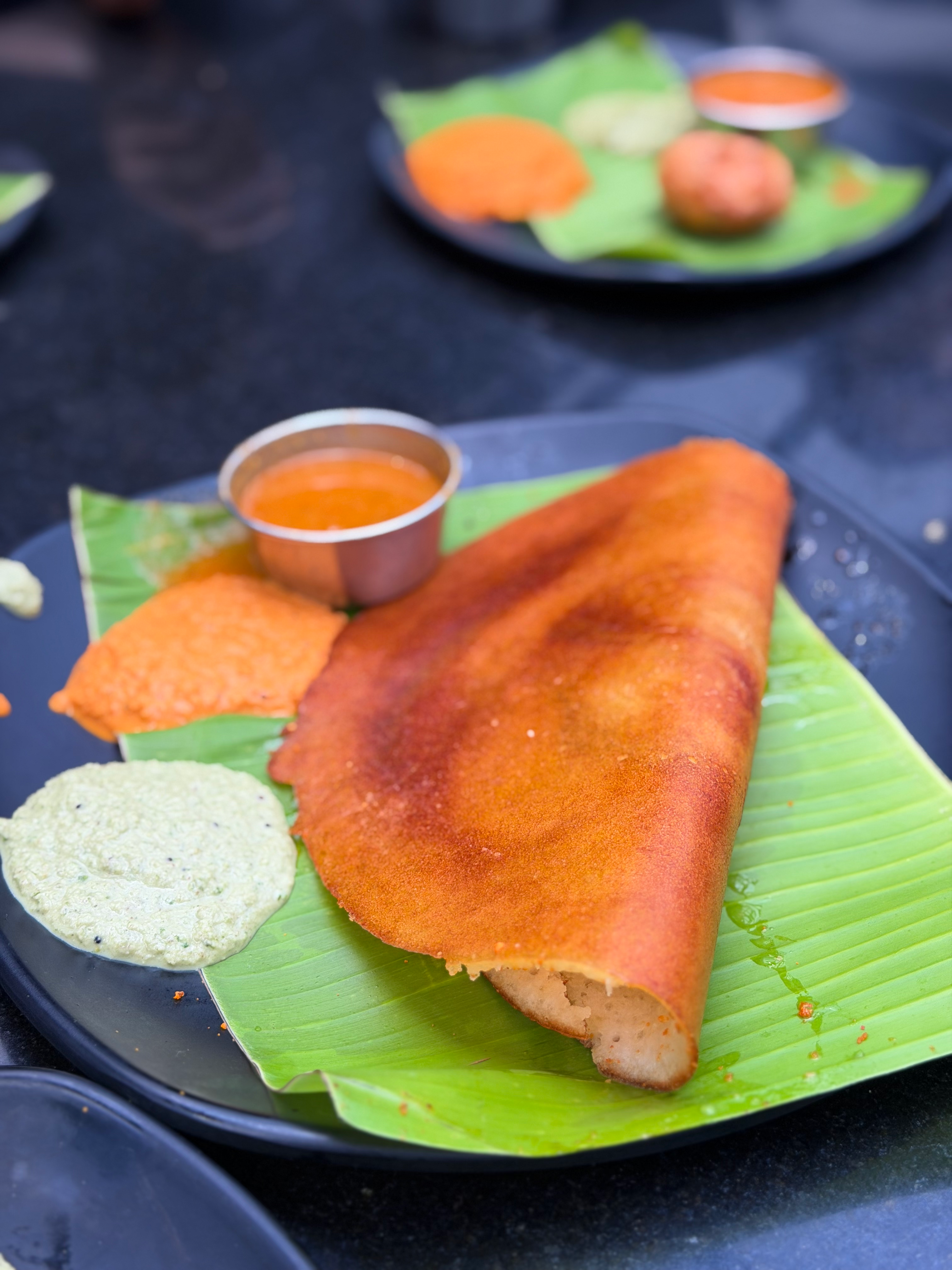
Photo: Muhammed Shasal A V / Pexels
The diets react (see scores below)
Common Ingredients
- green gram
- rice
- ginger
- green chili
- cumin
- onion
- curry leaves
- salt
Specific recipes may vary.
Incompatible with 5 of 11 diets
Diet Ratings
Pesarattu is a traditional Indian crepe made primarily from green gram (mung beans) and rice, both of which are high in net carbohydrates and fundamentally incompatible with ketogenic eating. Green gram (whole mung beans) contains approximately 40-45g net carbs per 100g dry weight, and rice adds further significant carbohydrate load. A single standard serving of pesarattu would easily exceed the entire daily net carb allowance of 20-50g for keto. The supporting ingredients (ginger, green chili, cumin, onion, curry leaves, salt) are keto-friendly in small amounts, but they cannot offset the dominant carbohydrate burden of the base ingredients. This is a grain-and-legume-based dish with no viable keto substitution in its traditional form.
Pesarattu is a traditional South Indian crepe made entirely from whole plant-based ingredients. Green gram (mung beans) and rice form the batter, while ginger, green chili, cumin, onion, curry leaves, and salt serve as aromatics and seasonings. Every ingredient is unambiguously plant-derived with no animal products or animal-derived additives present. It is also a minimally processed, whole-food preparation, making it exemplary from both a vegan and a whole-food plant-based perspective. The green gram provides a solid protein and fiber profile, further elevating its nutritional standing.
Pesarattu is fundamentally incompatible with the paleo diet. Its two primary ingredients — green gram (mung beans), a legume, and rice, a grain — are both explicitly excluded from paleo. Legumes contain lectins, phytates, and antinutrients that paleo philosophy argues were not a significant part of the Paleolithic diet, and grains are categorically excluded due to their neolithic origins and similar antinutrient profiles. Additionally, salt is added, which is also discouraged on strict paleo. The remaining ingredients (ginger, green chili, cumin, onion, curry leaves) are paleo-compliant, but they are minor components that cannot redeem a dish built on two core non-paleo foundations.
Pesarattu is a crepe made primarily from whole green gram (mung beans) and a small amount of rice, making it a legume-forward, plant-based dish that aligns well with Mediterranean diet principles. Green gram is an excellent source of plant protein and fiber, analogous to lentils and chickpeas central to Mediterranean eating. The aromatics — ginger, green chili, cumin, onion, and curry leaves — are all whole plant foods. The small amount of rice introduces a refined or semi-refined grain element, but it is a minor component. The dish is minimally processed, contains no added sugars, no red meat, and no saturated fat sources. If prepared with olive oil or minimal oil, it fits squarely into the Mediterranean framework. The main nuance is that rice (especially white rice) is not a preferred grain in modern Mediterranean guidelines, though it is present in small quantities here relative to the dominant legume base.
Some modern Mediterranean diet clinical guidelines (e.g., those based on the PREDIMED study framework) would flag even modest white rice inclusion, preferring whole grains like barley or farro; however, traditional Mediterranean cuisines from Greece and the Levant do incorporate rice in moderate amounts, suggesting this dish's rice component is not a meaningful concern.
Pesarattu is entirely plant-based and incompatible with the carnivore diet. Every single ingredient — green gram (mung beans/lentils), rice, ginger, green chili, cumin, onion, curry leaves, and salt — is plant-derived, with salt being the only carnivore-acceptable component. Legumes like green gram are among the most excluded foods on carnivore due to their antinutrients (lectins, phytates), carbohydrate content, and plant protein profile. Rice is a grain, which is explicitly forbidden. All spices and aromatics (ginger, cumin, curry leaves, green chili, onion) are plant foods with no place on any tier of carnivore eating. This dish has zero animal-derived ingredients and represents the antithesis of the carnivore dietary framework.
Pesarattu contains two excluded ingredients under Whole30 rules. First, green gram (mung beans) is a legume and is explicitly excluded from the Whole30 program — unlike green beans, sugar snap peas, or snow peas, mung beans are not among the explicitly excepted legumes. Second, rice is a grain and is fully excluded. The dish is also a crepe/pancake-style preparation, which falls squarely into the 'no recreating baked goods or junk food' rule (crepes and pancakes are specifically named as off-limits). Even if the legume and grain issues were somehow resolved, the format of the dish itself would still violate the program's spirit.
Pesarattu is a traditional South Indian crepe made primarily from whole green gram (mung beans), which is high in GOS (galacto-oligosaccharides) — a key FODMAP category. While canned/rinsed lentils can sometimes reduce GOS levels, Pesarattu batter typically involves soaking and grinding whole green gram, which does not eliminate GOS the way prolonged rinsing of canned legumes might. Some fermentation can occur if the batter is left to ferment, but Pesarattu batter is often used relatively quickly after soaking. Beyond the green gram, onion is a significant source of fructans and is explicitly high-FODMAP, making this dish doubly problematic. Rice is low-FODMAP and fine, ginger in small amounts is low-FODMAP, green chili is low-FODMAP, cumin in typical cooking amounts is low-FODMAP, curry leaves in small amounts are generally considered low-FODMAP, and salt is neutral. However, the combination of whole green gram (high GOS) and onion (high fructans) makes Pesarattu a clear avoid during the elimination phase.
Some FODMAP practitioners note that soaking and thoroughly rinsing mung beans reduces GOS content, and if Pesarattu batter is fermented for an extended period, FODMAP levels may decrease further — however, Monash University has not specifically tested Pesarattu, and standard preparation with onion remains high-FODMAP regardless of any reduction in GOS from the legume base.
Pesarattu is a savory crepe made primarily from whole green gram (mung beans) and rice, making it an excellent DASH-aligned breakfast. Green gram is rich in potassium, magnesium, fiber, and plant-based protein — all nutrients DASH emphasizes. The rice provides complex carbohydrates, and aromatics like ginger, cumin, green chili, curry leaves, and onion add flavor without sodium. The dish is naturally low in saturated fat, cholesterol-free, and contains no added sugar. The main DASH concern is the added salt, which should be minimized or replaced with low-sodium alternatives. Preparation typically involves minimal or no oil (or a light brushing), keeping saturated fat negligible. Overall, this is a nutrient-dense, plant-forward breakfast that aligns well with DASH principles, with portion-appropriate sodium being the key variable to watch.
NIH DASH guidelines do not specifically address traditional Indian dishes like pesarattu, so the rating is extrapolated from food category principles (legumes, whole grains). Some DASH-oriented clinicians may note that the white rice component adds refined carbohydrates with less fiber than brown rice, and would recommend substituting brown rice or increasing the green gram-to-rice ratio for a higher-scoring DASH meal.
Pesarattu is a South Indian crepe made primarily from whole green gram (moong dal) and rice. From a Zone perspective, it has genuine strengths and some challenges. Green gram is a legume with a relatively low glycemic index, good fiber content, and provides plant-based protein — it functions as both a protein and carbohydrate block in Zone terminology. The rice component, however, raises the overall glycemic load of the dish, making it somewhat 'unfavorable' in Zone classification. The dish is low in fat, meaning it lacks the Zone-required monounsaturated fat component and would need supplementation (e.g., a side of avocado or olive oil-based chutney). The ginger, green chili, cumin, and curry leaves are anti-inflammatory polyphenol-rich additions that Sears would strongly approve of. The protein content from green gram is meaningful but not concentrated enough to hit a full Zone protein block without a large serving, and that large serving would push carbohydrates high relative to protein. As a vegetarian protein source, the fat block calculation changes (3g fat per block rather than 1.5g), making the fat deficit even more significant. Overall, pesarattu is a nutrient-dense, whole-food breakfast that fits Zone philosophy better than most processed breakfast foods, but the rice content and fat imbalance prevent a full approve.
Some Zone practitioners, particularly those following Dr. Sears' later anti-inflammatory frameworks, would treat pesarattu more favorably because green gram is a polyphenol-rich, low-GI legume that supports gut health and insulin control. If rice is minimized in the batter (some recipes use very little), the dish approaches a favorable Zone protein-carb block. Paired with a fat source like a nut-based chutney, it could function as a reasonably balanced Zone breakfast. The dissent centers on how strictly one interprets the rice component and whether green gram's protein contribution is weighted alongside its carbohydrate content.
Pesarattu is a traditional South Indian crepe made primarily from whole green gram (mung beans), which is an anti-inflammatory powerhouse — rich in fiber, plant protein, folate, and antioxidants like vitexin and isovitexin that have demonstrated anti-inflammatory effects in research. The small amount of rice adds digestible carbohydrates but doesn't significantly shift the inflammatory profile given the dominant green gram base. The spice blend is notably anti-inflammatory: ginger contains gingerols and shogaols that inhibit NF-κB and reduce prostaglandin synthesis; cumin provides antioxidant phenolics; green chili offers capsaicin, which has well-documented anti-inflammatory properties; and curry leaves are rich in carbazole alkaloids with antioxidant activity. Onion contributes quercetin, a potent flavonoid associated with reduced inflammatory markers. The dish is minimally processed, low in saturated fat, free of refined sugars, and contains no pro-inflammatory additives. As a legume-based breakfast, it aligns closely with the anti-inflammatory emphasis on beans and legumes, whole plant foods, and anti-inflammatory spices.
Pesarattu is a South Indian crepe made primarily from whole green gram (mung beans) batter with a small proportion of rice. It is naturally high in plant-based protein and fiber from the green gram, low in fat, and easy to digest when cooked with minimal oil on a flat pan. A standard serving (2 crepes) provides roughly 10-14g protein and 5-7g fiber, making it a strong GLP-1-friendly breakfast option. The ginger and cumin are digestive aids that may actually help with GLP-1-related nausea and bloating. The green chili is present but typically in small amounts; most preparations are mildly spiced rather than intensely hot. The rice component slightly lowers the protein density and adds refined carbohydrate load, but whole green gram dominates the batter nutritionally. The dish is naturally portion-friendly, nutrient-dense per calorie, and contains high water content from the batter. It is pan-cooked rather than fried, so fat content is largely determined by cooking oil used — minimal oil preparation is ideal and traditional.
Some GLP-1 nutrition practitioners flag green chili and curry leaves in savory breakfast items as potential nausea triggers in patients with heightened gastric sensitivity, particularly in the first weeks of dose escalation. Individual tolerance to legume-based dishes also varies, as green gram can cause mild gas and bloating in some patients due to its oligosaccharide content, which may be amplified by slowed gastric emptying on GLP-1 medications.
*See how scores were generated at our methodology page.
Nutritional profile
Six traits that cut across every diet.
Fiber & Plants
How much whole-plant food and fiber it delivers.
Healthy Fats
The quality of its fats (unsaturated, omega-3).
Whole / Unprocessed
How close it is to its natural, unprocessed form.
Gut Gentle
How easy it is on digestion (low FODMAP, few irritants).
Low Glycemic
How little it spikes your blood sugar.
Protein Density
How much protein it packs per calorie.
Controversy Index
Higher controversy = more disagreement between diets.
Diet-Specific Tips
 Vegan — 9/10
View tips
- Green gram (mung beans) is a whole legume — high protein, fully plant-based
- Rice is plant-derived and unprocessed in this context
- All aromatics (ginger, green chili, cumin, onion, curry leaves) are whole plant foods
- No dairy, eggs, or any animal-derived ingredients present
- Minimally processed preparation method (soaked, ground, pan-cooked) aligns with whole-food plant-based principles
- Traditional recipe contains no hidden animal-derived additives
 Mediterranean — 8/10
View tips
- Primary ingredient is whole green gram (mung beans), a legume strongly encouraged in Mediterranean diet
- High plant protein and dietary fiber content from legumes
- All aromatics and spices are whole plant foods with no processing
- Rice is a minor ingredient; if white, slightly less preferred than whole grains
- No red meat, no added sugars, no refined flour, no highly processed ingredients
- Preparation method (pan-crepe) is inherently low-fat and compatible with olive oil use
 DASH — 8/10
View tips
- Green gram (mung beans) is rich in potassium, magnesium, fiber, and plant protein — core DASH nutrients
- Naturally low in saturated fat and cholesterol-free
- White rice is a refined grain; substituting brown rice or increasing mung bean ratio improves DASH alignment
- Salt content is the primary DASH concern — should be minimized to stay within 1,500–2,300mg/day sodium limits
- No added sugar, no full-fat dairy, no red meat or tropical oils
- Cumin, ginger, curry leaves, and chili provide flavor without sodium, supporting sodium reduction strategies
 Zone — 6/10
View tips
- Green gram (moong dal) is a low-GI legume favorable in Zone as a plant protein and carbohydrate source
- Rice in the batter raises glycemic load and is classified as an 'unfavorable' Zone carbohydrate
- Dish is very low in fat — requires a fat supplement (avocado, olive oil chutney, nuts) to achieve Zone 30% fat ratio
- Anti-inflammatory ingredients (ginger, green chili, cumin, curry leaves) align with Sears' polyphenol emphasis
- As a vegetarian protein source, green gram requires larger fat blocks (3g per block) per Zone rules, amplifying the fat deficit
- Protein concentration per serving is moderate — portion sizing is critical to avoid carbohydrate dominance
- Overall whole-food, minimally processed profile is consistent with Zone anti-inflammatory principles
 Anti-Inflammatory — 8/10
View tips
- Green gram (mung beans) is a legume emphasized in anti-inflammatory diets — high in fiber, plant protein, and antioxidants including vitexin
- Ginger provides potent gingerols and shogaols that suppress inflammatory pathways (NF-κB, COX-2)
- Green chili contributes capsaicin with well-documented anti-inflammatory effects
- Cumin and curry leaves add antioxidant polyphenols and carbazole alkaloids
- Onion is a source of quercetin, a flavonoid associated with reduced CRP and IL-6
- Minimal refined carbohydrates — rice proportion is small relative to green gram
- No saturated fat, no added sugar, no processed ingredients, no seed oils
- Whole, minimally processed preparation method preserves nutritional integrity
 GLP-1 Friendly — 8/10
View tips
- High plant protein from green gram supports muscle preservation goal
- Good fiber content aids GLP-1 side effect of constipation
- Low fat when cooked with minimal oil — preparation method is critical
- Green chili is a mild spice concern for sensitive GI tracts
- Rice component slightly reduces protein density per calorie
- Ginger and cumin may actively support digestion and reduce nausea
- Small portion (1-2 crepes) is naturally GLP-1 portion-friendly
- No added sugar, no carbonation, no alcohol — clean ingredient profile