Spanish
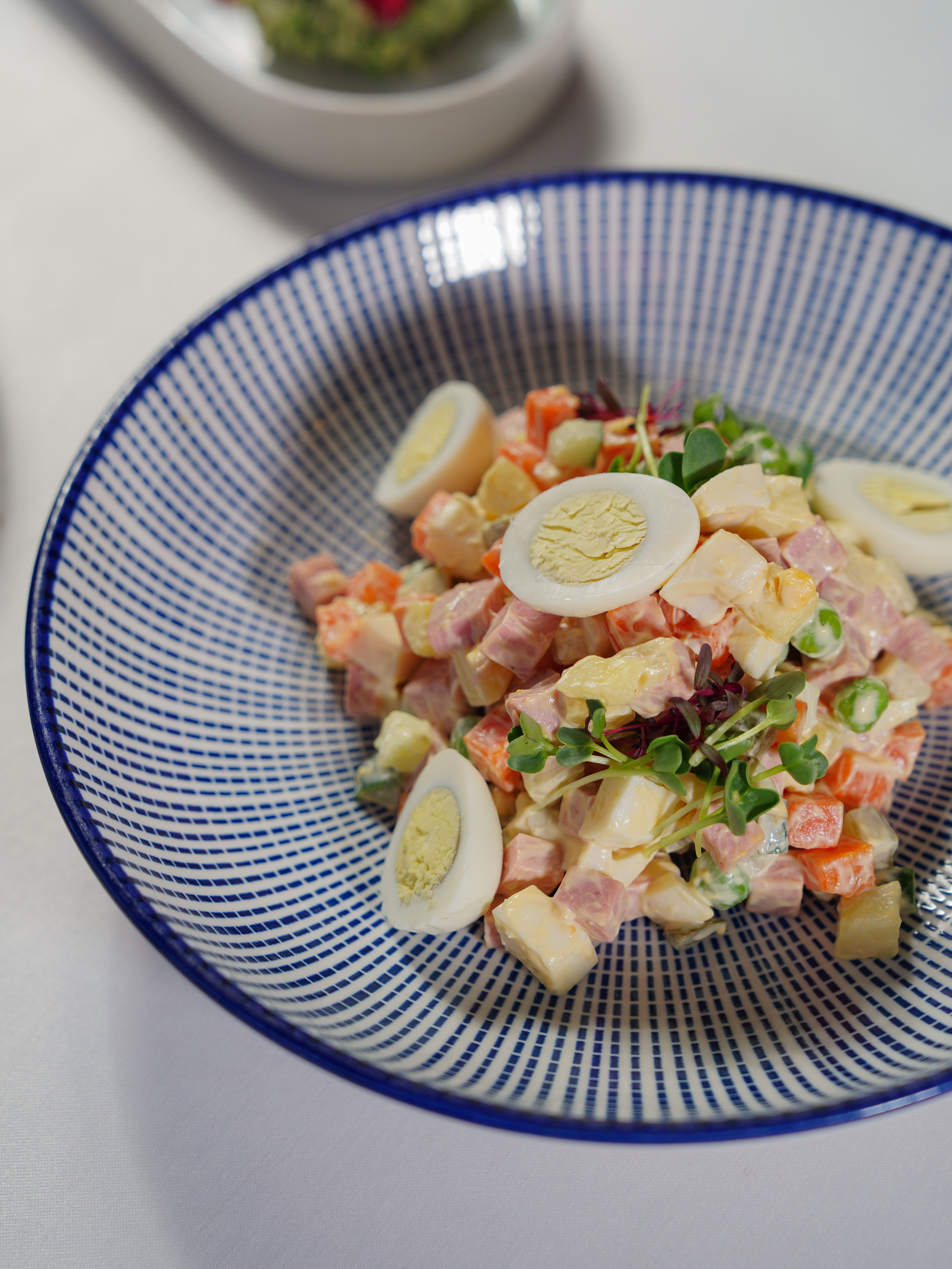
Ensaladilla Rusa
The diets react (see scores below)
Common Ingredients
- potatoes
- peas
- carrots
- tuna
- mayonnaise
- eggs
- olives
Specific recipes may vary.
Incompatible with 5 of 11 diets
Diet Ratings
Ensaladilla Rusa is fundamentally incompatible with a ketogenic diet in its traditional form. The primary ingredient, potatoes, is a high-starch vegetable with roughly 15-17g net carbs per 100g, and it makes up the bulk of this dish. Peas and carrots add further net carbs (peas ~9g/100g net carbs, carrots ~7g/100g net carbs). A standard serving of Ensaladilla Rusa could easily contain 30-50g of net carbs from the potatoes alone, blowing the entire daily keto carb budget in one dish. The keto-friendly elements — tuna, mayonnaise, eggs, and olives — are excellent, but they cannot offset the massive carbohydrate load from the starchy and sugary vegetables. This dish cannot be made keto-compliant without fundamentally replacing the core ingredient (potatoes), at which point it is no longer Ensaladilla Rusa.
Ensaladilla Rusa as described contains multiple animal-derived ingredients that are strictly excluded from a vegan diet. Tuna is a fish (animal product), eggs are an animal product, and standard mayonnaise is made from eggs — all three are clear violations of vegan principles. The dish does contain vegan-friendly components (potatoes, peas, carrots, olives), but the presence of tuna, eggs, and egg-based mayonnaise makes this firmly off-limits for vegans. There is no meaningful debate within the vegan community about any of these ingredients.
Ensaladilla Rusa contains multiple paleo-problematic ingredients. Peas are legumes and are excluded from the paleo diet. White potatoes are debated but generally discouraged in strict paleo frameworks (Cordain's original position). Commercial mayonnaise is almost universally made with seed oils (canola or soybean oil), making it a clear avoid. Carrots, tuna, eggs, and olives are all paleo-approved, but the combination of legumes (peas) and seed-oil-based mayonnaise pulls this dish firmly into avoid territory. Even if white potatoes were accepted and a paleo-friendly mayo (made with avocado oil) were substituted, the peas alone would disqualify the dish as traditionally prepared.
A strict paleo advocate might argue that if the dish is modified — swapping commercial mayo for avocado-oil mayo and omitting peas — the remaining ingredients (potatoes, carrots, tuna, eggs, olives) could be mostly acceptable under more permissive modern paleo frameworks such as Mark Sisson's Primal Blueprint or Whole30, which now include white potatoes.
Ensaladilla Rusa is a traditional Spanish dish with a mixed Mediterranean profile. The base of potatoes, peas, carrots, and olives is plant-forward and Mediterranean-friendly. Tuna aligns well with the diet's emphasis on fish and seafood. Eggs are acceptable in moderation. The main concern is the mayonnaise, which is typically made with refined vegetable oils (not olive oil) and represents a processed, calorie-dense fat that diverges from the Mediterranean ideal of extra virgin olive oil as the primary fat. However, the dish is not inherently harmful — it is a whole-food salad with legitimate Mediterranean ingredients. If made with olive oil-based mayonnaise or a lighter dressing, it would score higher. As commonly prepared with commercial mayonnaise, it earns a cautious moderate rating.
Some Spanish culinary traditions use homemade aioli or olive oil-based dressings in place of commercial mayonnaise, which would make Ensaladilla Rusa a highly compatible Mediterranean dish. Modern health-conscious adaptations also reduce mayonnaise quantity and increase vegetable volume, bringing it closer to full approval.
Ensaladilla Rusa is fundamentally incompatible with the carnivore diet. The dish is dominated by plant-based ingredients: potatoes (starchy tuber), peas (legume), carrots (root vegetable), and olives (fruit/plant). While it does contain tuna, eggs, and mayonnaise — all of which are carnivore-acceptable — these animal-derived components are minor additions to an overwhelmingly plant-based salad. No amount of tuna or eggs can redeem a dish whose primary bulk and identity comes from excluded plant foods. This is a clear avoid with high confidence across all carnivore frameworks.
Ensaladilla Rusa is made from largely Whole30-compliant ingredients: potatoes, carrots, eggs, tuna, and olives are all explicitly allowed. Peas are a legume but fall into an ambiguous category — unlike green beans, sugar snap peas, and snow peas (which are explicitly excepted), regular green peas are not on the exception list and are technically excluded. The biggest practical concern is the mayonnaise: store-bought mayo almost universally contains soy, canola oil, or added sugar, making most commercial versions non-compliant. A homemade mayo using compliant oil and eggs would be fine. The dish also requires label-checking on canned tuna (some contain soy or other additives) and olives (some are preserved with non-compliant ingredients). If peas are omitted or replaced, and compliant homemade mayo and carefully sourced tuna/olives are used, this dish can be made Whole30-compliant.
The official Whole30 program does not list regular peas among the legume exceptions (only green beans, sugar snap peas, and snow peas are excepted), so strict adherents would exclude this dish as-written. Some community members argue that peas, being a similar pod vegetable, should be treated analogously to the allowed exceptions, but Melissa Urban's official guidance does not support this position.
Ensaladilla Rusa contains mostly low-FODMAP ingredients individually, but peas are the key concern. Monash University rates green peas as low-FODMAP only at small servings (1/4 cup or ~35g), becoming high-FODMAP at larger amounts due to GOS and fructans. In a typical Ensaladilla Rusa, peas are used generously and can easily exceed the safe threshold. Potatoes, carrots, canned tuna, eggs, and olives are all low-FODMAP at standard servings. Mayonnaise is generally low-FODMAP (made from oil and eggs), though commercial varieties should be checked for high-FODMAP additives like HFCS or garlic. The dish is overall workable but portion control on peas and label-checking for mayonnaise are essential during elimination.
Monash University approves green peas at 1/4 cup, and a carefully portioned Ensaladilla Rusa could keep pea quantity within this limit. However, many clinical FODMAP practitioners advise avoiding pea-heavy dishes during strict elimination phase, as real-world servings of this salad typically contain well above the safe pea threshold, making compliance unreliable in practice.
Ensaladilla Rusa contains a mix of DASH-friendly and DASH-problematic ingredients. The vegetables (potatoes, peas, carrots) are excellent DASH foods — rich in potassium, fiber, and magnesium. Tuna provides lean protein and omega-3 fatty acids, and eggs are acceptable in moderation. However, the dish is heavily bound with mayonnaise, which is high in fat, calories, and sodium, and contributes little nutritional value per DASH guidelines. Olives, while a source of healthy monounsaturated fats, are very high in sodium and are limited on DASH. Canned tuna (the most common form used) also adds meaningful sodium. The combination of mayo, olives, and likely canned tuna can push the sodium content of a single serving well above DASH-comfortable levels. The dish is not inherently disqualifying — the vegetable base is solid — but as typically prepared it leans too sodium-heavy and fat-laden for routine DASH inclusion. Using light/reduced-fat mayo, rinsed low-sodium tuna, and limiting olives would significantly improve its DASH compatibility.
NIH DASH guidelines emphasize limiting sodium and saturated fat, which standard mayo and olives undermine. However, updated clinical interpretations note that the overall vegetable density of this dish (potatoes, peas, carrots) and the inclusion of lean tuna and eggs can make a modified, lower-sodium version quite compatible with DASH principles — some DASH-oriented dietitians would approve it with ingredient swaps rather than caution it outright.
Ensaladilla Rusa presents a mixed Zone Diet profile. The dish contains tuna (excellent lean Zone protein and omega-3 source) and eggs (good Zone protein), along with favorable components like olives (monounsaturated fat) and carrots and peas (acceptable low-glycemic vegetables). However, potatoes are explicitly flagged as an unfavorable, high-glycemic carbohydrate in Sears' Zone framework — they spike insulin and are difficult to incorporate into Zone blocks without disrupting the 40/30/30 ratio. Mayonnaise, typically made with omega-6-heavy soybean or canola oil, adds unfavorable fat. The traditional recipe is also potato-heavy, meaning carbohydrates are dominated by a high-GI source rather than the colorful, fibrous vegetables Zone prefers. A Zone practitioner could theoretically reduce the potato quantity significantly, substitute olive-oil-based mayo, and increase the tuna and egg proportion to achieve a better block balance, but the traditional preparation as served in Spanish cuisine scores poorly against Zone principles. The dish is not categorically avoid because the protein and fat sources have redeeming quality, and the carbohydrate issue is addressable with portioning.
Some Zone practitioners note that the glycemic load of potatoes in a mixed dish — combined with protein, fat, fiber from peas and carrots, and vinegar sometimes present in dressings — is meaningfully lower than potatoes eaten alone. Sears' later work on glycemic load vs. glycemic index supports this nuance. In small portions, Ensaladilla Rusa could be treated as a caution-level snack rather than an outright problematic food. The tuna and egg protein content also meaningfully blunts the glycemic response.
Ensaladilla Rusa has a mixed anti-inflammatory profile. On the positive side, tuna is a meaningful source of omega-3 fatty acids (EPA/DHA), which are strongly anti-inflammatory. Vegetables — potatoes, peas, and carrots — provide fiber, carotenoids (beta-carotene from carrots), and polyphenols. Olives contribute monounsaturated fats and polyphenols consistent with Mediterranean anti-inflammatory principles. Eggs provide choline and selenium. However, the dish's inflammatory liability lies primarily in the mayonnaise, which is typically made with refined seed oils (soybean or canola oil) high in omega-6 fatty acids. Commercial mayonnaise can significantly shift the omega-6:omega-3 ratio of the dish in a pro-inflammatory direction, partially counteracting the tuna's omega-3 benefit. Potatoes are starchy and moderate in glycemic load, which is a minor concern but not disqualifying. The dish is not inherently unhealthy, but the mayonnaise quantity and quality is the pivotal variable. Homemade mayo with extra virgin olive oil would substantially improve the anti-inflammatory profile, while heavy use of standard commercial mayo tips the dish toward caution.
Some anti-inflammatory practitioners would score this more favorably, noting that the Mediterranean character of the dish — tuna, olives, vegetables, eggs — aligns closely with Dr. Weil's Anti-Inflammatory Food Pyramid framework, and that moderate omega-6 from mayonnaise is acceptable in the context of an otherwise healthy diet. Others following stricter omega-6 reduction protocols (e.g., Paul Jaminet's Perfect Health Diet or functional medicine guidelines) would flag commercial mayonnaise as a significant inflammatory risk and potentially rate the dish lower.
Ensaladilla Rusa contains a mixed nutritional profile for GLP-1 patients. On the positive side, tuna and eggs provide meaningful protein (roughly 10-15g per typical serving), and the vegetables (peas, carrots) contribute some fiber and micronutrients. However, the dominant concern is mayonnaise, which is high in fat and calories and is used generously in traditional preparations — this significantly raises the fat content per serving and can worsen GLP-1 side effects including nausea, bloating, and reflux due to slowed gastric emptying. Potatoes are a refined-starch-adjacent carbohydrate with moderate glycemic impact and low protein density. The dish is also calorie-dense relative to its protein and fiber contribution. Olives add unsaturated fat, which is preferable to saturated fat but still contributes to the overall fat load. A modified version with reduced or light mayonnaise, increased tuna or egg, and smaller portions could shift this closer to acceptable — but the traditional preparation warrants caution rather than approval.
Some GLP-1-focused dietitians would rate this more favorably, noting that tuna and eggs make it one of the more protein-rich cold salads in Spanish cuisine and that the fat from mayonnaise may actually slow glucose absorption beneficially in some patients. Others would rate it more strictly, arguing that the mayonnaise volume in a standard Spanish restaurant serving makes fat content unacceptably high for patients already experiencing GI sensitivity on GLP-1 medications.
*See how scores were generated at our methodology page.
Nutritional profile
Six traits that cut across every diet.
Fiber & Plants
How much whole-plant food and fiber it delivers.
Healthy Fats
The quality of its fats (unsaturated, omega-3).
Whole / Unprocessed
How close it is to its natural, unprocessed form.
Gut Gentle
How easy it is on digestion (low FODMAP, few irritants).
Low Glycemic
How little it spikes your blood sugar.
Protein Density
How much protein it packs per calorie.
Controversy Index
Higher controversy = more disagreement between diets.
Diet-Specific Tips
 Mediterranean — 5/10
View tips
- Commercial mayonnaise uses non-olive oils and is a processed fat, inconsistent with Mediterranean fat principles
- Tuna is a positive Mediterranean protein source (fish/seafood)
- Vegetables (peas, carrots, potatoes, olives) provide a plant-forward base
- Eggs are acceptable in moderation
- Olives are a core Mediterranean staple
- Dish is minimally processed overall apart from the mayonnaise
- Would score higher if olive oil or aioli replaced commercial mayonnaise
 Whole30 — 5/10
View tips
- Peas are a legume NOT on the Whole30 exception list (unlike green beans/snap peas), making the dish technically non-compliant as written
- Commercial mayonnaise typically contains soy or added sugar — compliant homemade mayo required
- Canned tuna labels must be checked for soy or non-compliant additives
- Olives may contain non-compliant preservatives — label check advised
- Potatoes, carrots, eggs, and tuna are all Whole30-approved foods
- Dish is a straightforward salad with no baked-good or junk-food recreation concerns
 DASH — 4/10
View tips
- Mayonnaise is high in sodium and fat, problematic for DASH
- Olives are very high in sodium — a significant DASH concern
- Canned tuna commonly used adds additional sodium
- Potatoes, peas, and carrots are DASH-positive vegetables rich in potassium and fiber
- Eggs acceptable in moderation under current DASH-aligned guidelines
- Dish can be modified (light mayo, low-sodium tuna, fewer olives) to improve DASH score
- As typically prepared, a single serving may approach or exceed DASH sodium targets
 Zone — 4/10
View tips
- Potatoes are explicitly unfavorable high-glycemic carbs in Zone methodology
- Tuna is an ideal Zone protein source with beneficial omega-3s
- Eggs provide good Zone protein blocks
- Standard mayonnaise is high in omega-6 fats, which Zone discourages
- Olives contribute favorable monounsaturated fat
- Peas and carrots are acceptable but modest Zone carb contributors
- Traditional preparation is potato-dominant, skewing carb ratio unfavorably
- Dish is rescuable with significant portioning modifications (less potato, more tuna/egg)
 Anti-Inflammatory — 5/10
View tips
- Tuna provides anti-inflammatory omega-3 fatty acids (EPA/DHA) — a clear positive
- Olives contribute monounsaturated fats and polyphenols consistent with Mediterranean anti-inflammatory principles
- Carrots and peas add carotenoids, fiber, and antioxidants
- Commercial mayonnaise is typically high in omega-6 fatty acids from refined seed oils, partially offsetting omega-3 benefits
- Eggs are nutritionally moderate with mixed evidence — choline and selenium are beneficial, arachidonic acid is a minor concern
- Potatoes are starchy but not a significant inflammatory trigger in whole form
- Overall dish quality highly dependent on mayonnaise type and quantity — olive oil-based mayo would significantly improve the profile
 GLP-1 Friendly — 5/10
View tips
- High mayonnaise content significantly raises fat per serving — a primary GLP-1 side effect trigger
- Tuna and eggs provide moderate but meaningful protein (~10-15g per serving)
- Potatoes are the dominant ingredient — starchy, low protein density, moderate glycemic impact
- Peas and carrots add modest fiber and micronutrients
- Olives contribute unsaturated fat — preferable but adds to overall fat load
- Traditional portion sizes tend to be generous — portion control is critical
- Nutrient density per calorie is moderate, not optimal for reduced-appetite eating context