Photo: Muhammad Khawar Nazir / Pexels
Spanish
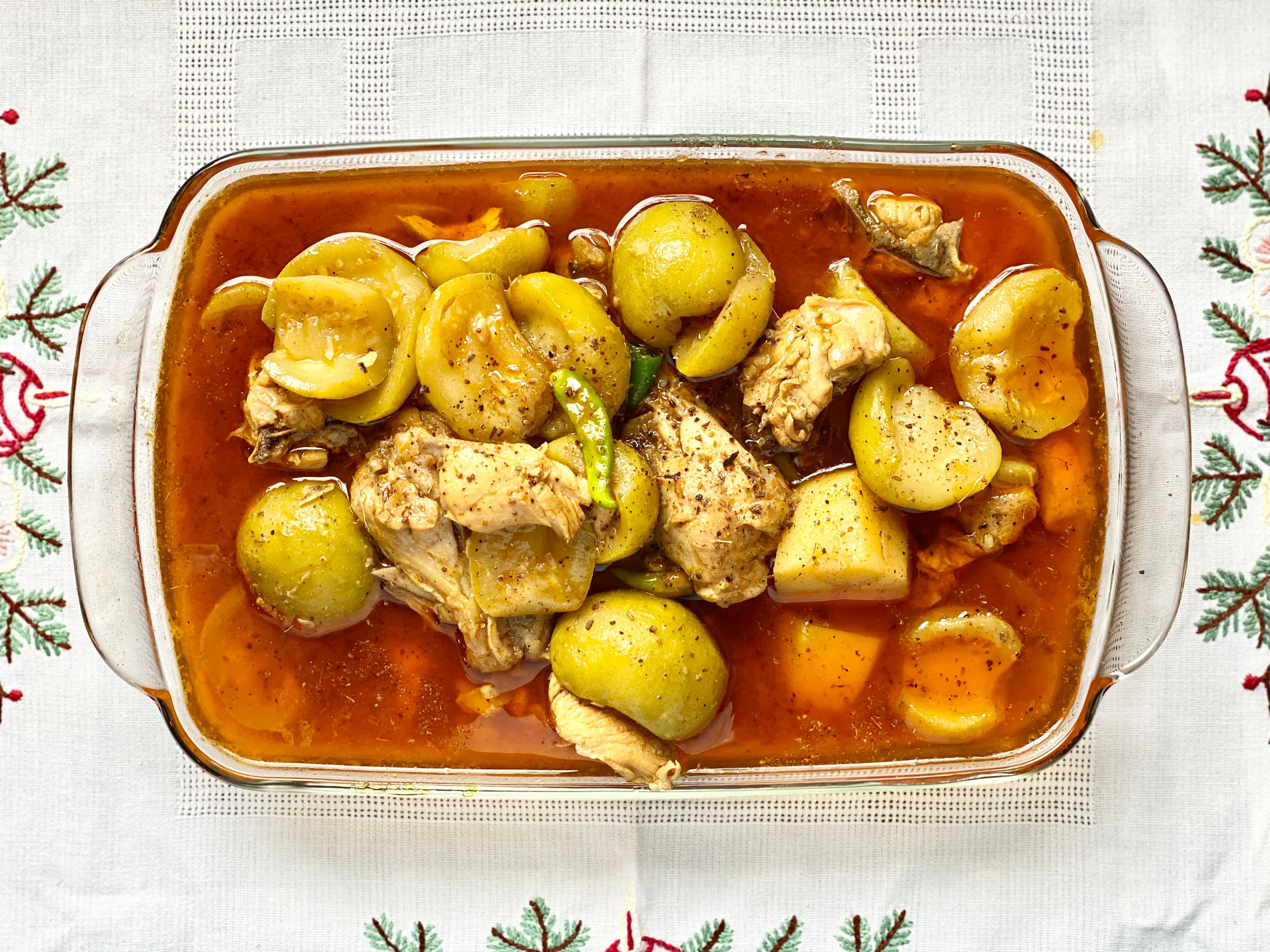
Marmitako
The diets react (see scores below)
Common Ingredients
- tuna
- potatoes
- green peppers
- onion
- tomato
- garlic
- paprika
- olive oil
- fish stock
Specific recipes may vary.
Incompatible with 4 of 11 diets
Diet Ratings
Marmitako is a traditional Basque tuna and potato stew where potatoes are the primary carbohydrate base. A standard serving contains a significant portion of potatoes — typically 150-200g — which alone delivers 25-35g of net carbs, easily pushing a single serving past or near the entire daily keto carb limit. The dish is built around potatoes as a structural ingredient, not a garnish, making meaningful reduction impractical without fundamentally changing the recipe. Tomatoes, onions, and green peppers add additional net carbs (typically 5-10g more per serving). While the tuna and olive oil components are keto-friendly, the potato-centric nature of this dish makes it incompatible with ketosis in its standard form.
Marmitako is a traditional Basque tuna and potato stew that contains multiple animal-derived ingredients. Tuna is a fish (an animal product), and fish stock is derived from fish bones, heads, and/or carcasses. Both are clearly excluded under vegan dietary rules. The remaining ingredients — potatoes, green peppers, onion, tomato, garlic, paprika, and olive oil — are all plant-based, but the presence of tuna and fish stock makes this dish entirely incompatible with a vegan diet.
Marmitako is a traditional Basque tuna and potato stew that is largely paleo-compatible, but the inclusion of white potatoes places it in a gray area. The base is strong: wild tuna is an excellent paleo protein, olive oil is a preferred paleo fat, and onion, tomato, garlic, and paprika are all clearly approved vegetables and spices. Fish stock (assuming unflavored, unsalted) is also paleo-friendly. Green peppers are approved vegetables. The sticking point is white potatoes — Cordain's original framework excludes them due to glycoalkaloid content and glycemic load, though modern paleo practitioners (Sisson, Whole30) have largely rehabilitated them. No grains, legumes, dairy, seed oils, or refined sugars are present, which is a strong foundation. The dish scores mid-range because of the white potato debate rather than any clear violation.
Mark Sisson (Primal Blueprint) and the Whole30 protocol both include white potatoes as acceptable whole foods, and many modern paleo practitioners would approve this dish outright. Conversely, strict Cordain-school followers (The Paleo Diet) would flag white potatoes as an avoid, potentially pushing this dish to a lower score.
Marmitako is a traditional Basque fisherman's stew that exemplifies Mediterranean diet principles almost perfectly. Tuna is an excellent source of omega-3 fatty acids and lean protein, aligning with the recommendation to eat fish 2-3 times weekly. The dish is built on a foundation of whole, plant-based ingredients — potatoes, green peppers, onion, tomato, and garlic — providing fiber, vitamins, and antioxidants. Extra virgin olive oil is the sole fat source, consistent with Mediterranean dietary guidelines. There are no refined grains, added sugars, processed ingredients, or red meat. The fish stock adds depth without compromising nutritional integrity. This is a whole-food, minimally processed, plant-forward fish dish that could hardly be more aligned with Mediterranean principles.
Marmitako is a traditional Basque tuna and potato stew that is fundamentally incompatible with the carnivore diet. While tuna is a carnivore-approved protein, the dish is built around a base of multiple plant foods: potatoes (starchy tuber), green peppers, onion, tomato, garlic, paprika (a plant spice), and olive oil (plant-derived fat). These plant ingredients are not incidental garnishes — they are structural, defining components of the dish comprising the majority of its volume and flavor profile. Every plant food listed is explicitly excluded from the carnivore diet. The only salvageable element is the tuna itself and possibly the fish stock if pure animal-derived.
Marmitako is a traditional Basque tuna and potato stew. Every ingredient in this dish is fully Whole30 compliant: fresh tuna (fish/protein), potatoes (vegetable), green peppers (vegetable), onion (vegetable), tomato (vegetable/fruit), garlic (vegetable), paprika (spice), olive oil (natural fat), and fish stock (typically just fish, water, and vegetables — though label-reading is advised for commercial stock to ensure no added sugar, gluten, or non-compliant additives). This is a whole-food, unprocessed meal that aligns perfectly with the spirit of the Whole30 program.
Marmitako contains two high-FODMAP ingredients that are fundamental to the dish and cannot be reduced to safe portions without fundamentally altering the recipe: onion and garlic. Onion is one of the highest-fructan foods tested by Monash University and is high-FODMAP at any serving size — even small amounts cooked into a dish can leach fructans into the broth, making the entire soup unsafe during elimination. Garlic is similarly high in fructans and problematic at any dose. These are structural flavor ingredients in Marmitako, not optional garnishes. The remaining ingredients are largely low-FODMAP: fresh tuna (approved), potatoes (low-FODMAP at ~75g per serve), green peppers (low-FODMAP at moderate serves), tomato (low-FODMAP at ~65g), paprika (low-FODMAP in small amounts as a spice), and olive oil (low-FODMAP). Fish stock is potentially problematic if it contains onion or garlic as ingredients, which commercial stocks commonly do. Even if the onion and garlic were removed or substituted with garlic-infused oil and the green tops of scallions, the dish would need significant reformulation to be safe during elimination phase.
Marmitako is a traditional Basque tuna and potato stew that aligns well with DASH diet principles. The primary protein is tuna, an excellent lean fish rich in omega-3 fatty acids and potassium, both strongly encouraged by DASH. Potatoes are a good source of potassium and fiber. Vegetables (green peppers, onion, tomato, garlic) contribute vitamins, minerals, and fiber. Olive oil is a heart-healthy unsaturated fat consistent with DASH guidance. The main concern is fish stock, which commercially prepared versions can be high in sodium — a standard cup of fish stock may contain 400-800mg sodium, potentially pushing a serving toward or over DASH sodium limits. Homemade or low-sodium stock resolves this. Paprika adds flavor without sodium if used as a spice. Overall, this dish is nutrient-dense, low in saturated fat, and built around DASH-favored food groups, making it a strong DASH choice when sodium is managed.
NIH DASH guidelines broadly endorse fish and vegetable-based dishes like this one, but some DASH clinicians note that commercial fish stocks and even canned tuna (if used) can significantly elevate sodium content per serving — strict low-sodium DASH adherents (<1,500mg/day) should verify stock sodium levels or prepare from scratch. The use of whole potatoes also warrants portion awareness for those also managing blood glucose.
Marmitako is a traditional Basque tuna and potato stew with a mixed Zone profile. The positives are significant: fresh tuna is an excellent lean protein source rich in omega-3 fatty acids, which aligns perfectly with Sears' anti-inflammatory emphasis. Olive oil is the ideal Zone fat (monounsaturated). Onions, green peppers, tomato, garlic, and paprika are all favorable low-glycemic carb sources loaded with polyphenols. The problem is potatoes, which are explicitly listed as an 'unfavorable' high-glycemic carbohydrate in Zone methodology — they raise blood sugar rapidly and are difficult to balance within a 40/30/30 block structure. A traditional marmitako is potato-heavy, which will skew the carbohydrate portion toward high-glycemic sources and disrupt Zone balance. With significant portion reduction of potatoes and increased vegetable volume, this dish can be adapted into a reasonable Zone meal, but as traditionally prepared, the potato load makes it a caution-level dish requiring meaningful modification.
Some Zone practitioners and Sears' later writings (The OmegaRx Zone, The Mediterranean Zone) place greater emphasis on the overall anti-inflammatory food matrix rather than strict glycemic categorization. In this context, marmitako's exceptional omega-3 content from fresh tuna, polyphenol-rich vegetables, and olive oil could be seen as outweighing the glycemic concern of a modest potato portion — particularly if the potato quantity is moderate rather than dominant. Mediterranean-style fish stews with vegetables are broadly consistent with Sears' later dietary recommendations.
Marmitako is a traditional Basque tuna and potato stew with a strongly anti-inflammatory ingredient profile. Tuna (especially fresh/bluefin) is a significant source of omega-3 fatty acids (EPA and DHA), which are foundational to the anti-inflammatory framework and consistently reduce inflammatory markers like CRP and IL-6. Olive oil provides oleocanthal, a well-documented COX-inhibiting compound with anti-inflammatory properties analogous to ibuprofen. Garlic contains allicin and organosulfur compounds with demonstrated anti-inflammatory and immune-modulating effects. Paprika and tomato contribute carotenoids (beta-carotene, lycopene), and onion provides quercetin — both polyphenolic antioxidants emphasized in anti-inflammatory eating. Green peppers add vitamin C and flavonoids. Potatoes are a moderate-GI whole food starch; in the context of a balanced dish with protein, healthy fat, and fiber, they do not pose a significant inflammatory concern for most people. Fish stock adds minerals and collagen precursors. The dish is whole-food, minimally processed, free of refined carbohydrates, added sugars, or seed oils. Minor considerations: canned tuna (if used) contains less omega-3 than fresh and may contain sodium; fresh is preferable. Potatoes are a nightshade, which is debated in autoimmune contexts. Overall, this is a well-balanced, Mediterranean-style dish that aligns closely with anti-inflammatory dietary principles.
Autoimmune Protocol (AIP) and some functional medicine practitioners (e.g., Dr. Tom O'Bryan) would flag potatoes and green peppers as nightshade vegetables containing solanine and lectins, which may promote intestinal permeability and trigger inflammation in individuals with autoimmune conditions. Mainstream anti-inflammatory authorities including Dr. Andrew Weil consider nightshades broadly beneficial due to their antioxidant content and do not restrict them for the general population.
Marmitako is a traditional Basque tuna and potato stew that aligns well with GLP-1 dietary priorities. Tuna is a lean, high-protein fish with omega-3 fatty acids, making it an excellent primary protein source. The vegetable base — onion, green peppers, tomato, garlic — adds fiber, micronutrients, and water content, supporting hydration and digestibility. Potatoes contribute additional fiber (especially with skin), potassium, and resistant starch, though they are a moderate-glycemic carbohydrate. Olive oil is an unsaturated fat used in modest amounts for cooking. Fish stock adds flavor and electrolytes with minimal calories. The broth-based, slow-cooked format makes this easy to digest and naturally portion-friendly — a small bowl delivers meaningful protein and fiber. Paprika is mild and unlikely to cause GI distress. The dish is not fried, not heavily fatty, and contains no refined grains or added sugar. Main watch point is portion of potatoes, which should be kept moderate to avoid excessive carbohydrate load given reduced meal volume on GLP-1s.
Some GLP-1-focused dietitians flag potato-heavy soups as portion-sensitive because even a small serving can deliver a significant glycemic load when overall meal volume is already reduced, potentially displacing higher-priority protein and fiber sources. Others note that canned or prepared tuna stews vary widely in sodium content, and high sodium can worsen fluid retention in patients already experiencing GLP-1-related changes in hydration status.
*See how scores were generated at our methodology page.
Nutritional profile
Six traits that cut across every diet.
Fiber & Plants
How much whole-plant food and fiber it delivers.
Healthy Fats
The quality of its fats (unsaturated, omega-3).
Whole / Unprocessed
How close it is to its natural, unprocessed form.
Gut Gentle
How easy it is on digestion (low FODMAP, few irritants).
Low Glycemic
How little it spikes your blood sugar.
Protein Density
How much protein it packs per calorie.
Controversy Index
Higher controversy = more disagreement between diets.
Diet-Specific Tips
 Paleo — 5/10
View tips
- Tuna is an excellent, approved paleo protein
- Olive oil is a preferred paleo-friendly fat
- White potatoes are the primary contested ingredient — excluded by Cordain but accepted by many modern paleo frameworks
- All vegetables (green pepper, tomato, onion, garlic) and spices (paprika) are paleo-approved
- No grains, legumes, dairy, seed oils, or refined sugars present
- Fish stock is paleo-compatible if unsalted and unprocessed
 Mediterranean — 9/10
View tips
- Tuna as primary protein aligns with fish 2-3 times weekly guideline
- Extra virgin olive oil as the sole fat source
- Rich array of whole vegetables: peppers, onion, tomato, garlic
- Potatoes provide whole-food carbohydrate and potassium
- No processed ingredients, refined grains, or added sugars
- Traditional Basque coastal cuisine with strong Mediterranean overlap
- Fish stock is a clean, minimally processed base
 Whole30 — 5/10
View tips
- Fresh tuna is a compliant whole protein
- Potatoes are explicitly allowed on Whole30
- All vegetables (peppers, onion, tomato, garlic) are fully compliant
- Paprika and olive oil are approved spices and fats
- Fish stock should be label-checked if using commercial brands to confirm no added sugar, grains, or non-compliant additives
- No excluded ingredients present in the traditional recipe
- Dish is a whole-food stew, not a recreated junk food or baked good
 DASH — 8/10
View tips
- Tuna is a lean, omega-3-rich fish strongly encouraged by DASH
- Potatoes, peppers, onion, tomato, and garlic provide potassium, fiber, and micronutrients
- Olive oil replaces saturated fats — consistent with DASH unsaturated fat guidance
- Fish stock is the primary sodium risk; commercial stock can be high in sodium
- No red meat, no full-fat dairy, no added sugars, no tropical oils
- Naturally low in saturated fat and cholesterol
- Low-sodium or homemade fish stock would raise the score to 9
 Zone — 5/10
View tips
- Tuna is an excellent lean protein with high omega-3 content — ideal for Zone anti-inflammatory goals
- Potatoes are explicitly 'unfavorable' in Zone due to high glycemic index — the primary concern in this dish
- Olive oil provides ideal monounsaturated fat aligned with Zone fat block requirements
- Green peppers, onion, tomato, and garlic are all favorable low-glycemic, polyphenol-rich carbohydrates
- Dish can be made Zone-compatible by reducing potato quantity and increasing vegetable volume
- Fish stock adds flavor without meaningfully disrupting macro balance
- As traditionally prepared, carbohydrate profile is skewed high-glycemic due to potato dominance
 Anti-Inflammatory — 8/10
View tips
- Tuna is rich in omega-3 fatty acids (EPA/DHA), core to anti-inflammatory eating
- Extra virgin olive oil provides oleocanthal with COX-inhibiting anti-inflammatory activity
- Garlic, onion, and paprika contribute organosulfur compounds and polyphenolic antioxidants
- Tomato adds lycopene; green peppers add vitamin C and flavonoids
- Wholly unprocessed, no refined carbohydrates, added sugars, trans fats, or seed oils
- Potatoes and green peppers are nightshades — generally anti-inflammatory but debated in autoimmune contexts
- Fresh tuna preferred over canned for higher omega-3 content and lower sodium
 GLP-1 Friendly — 8/10
View tips
- Tuna is a lean, high-protein, omega-3-rich fish — strong GLP-1 protein source
- Broth-based format supports hydration and easy digestibility
- Vegetable medley adds fiber, micronutrients, and water content
- Olive oil is a preferred unsaturated fat used in cooking quantities
- Potatoes are moderate-glycemic — portion should be kept modest
- No fried components, no refined grains, no added sugar or high-fat ingredients
- Paprika is mild and unlikely to trigger GLP-1-related GI side effects
- Small bowl delivers a nutritionally dense, satisfying serving