Photo: Anthony Rahayel / Pexels
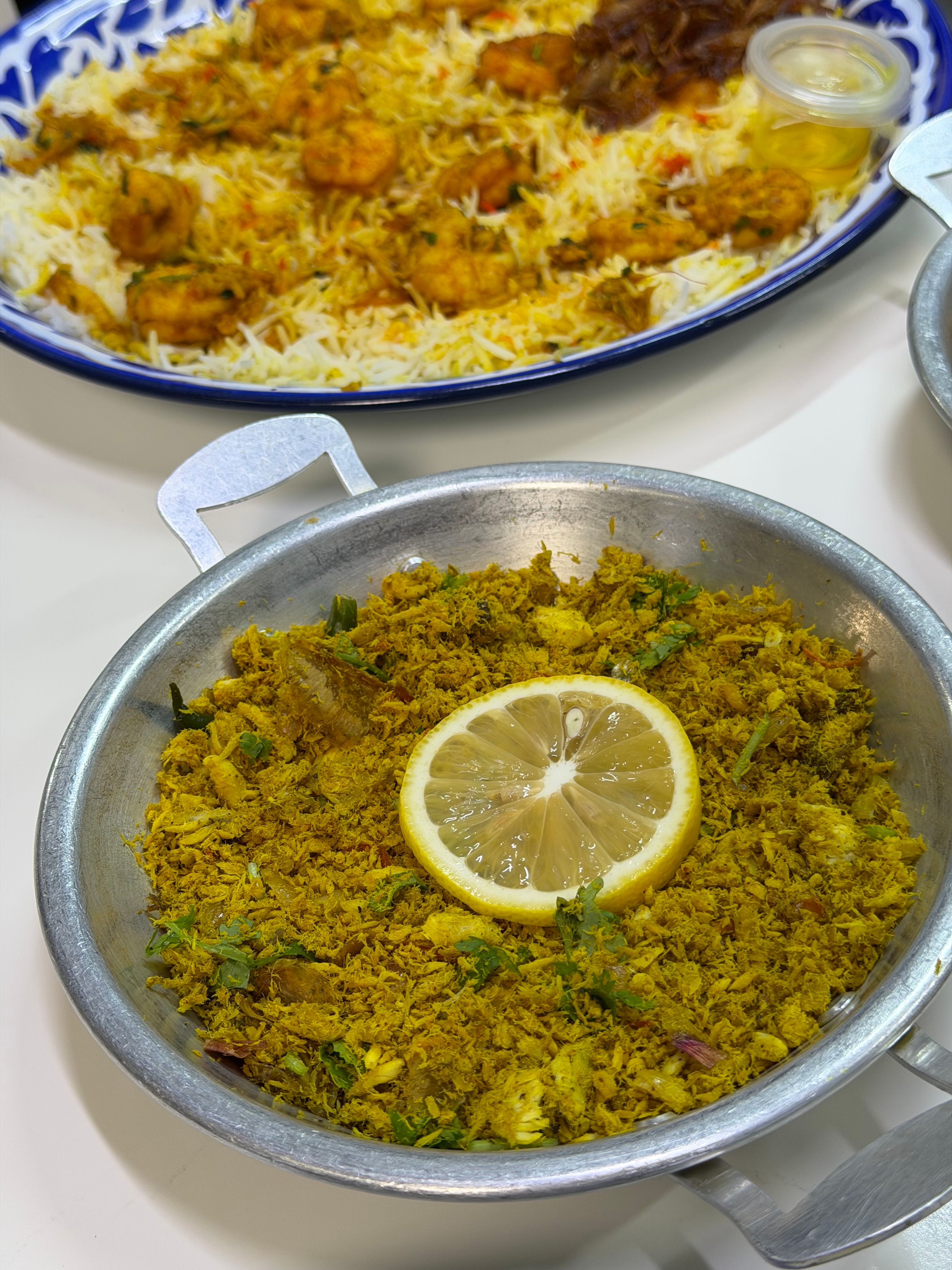
Sri-Lankan
Pol Sambol
The diets react (see scores below)
Common Ingredients
- grated coconut
- red chili
- onion
- lime
- maldive fish
- salt
Specific recipes may vary.
Incompatible with 6 of 11 diets
Diet Ratings
Pol Sambol is primarily grated coconut with chili, onion, lime juice, dried maldive fish, and salt. Grated coconut is high in fat and fiber, making net carbs quite low — roughly 3-5g net carbs per standard 2-3 tablespoon serving. Maldive fish (dried tuna) adds protein and umami with negligible carbs. Red chili and onion contribute minimal carbs at condiment quantities. Lime juice adds a small amount of carbs but is used sparingly. Overall, this condiment fits well within ketogenic macros: high in healthy saturated fat from coconut, low net carbs, and whole unprocessed ingredients.
Some strict keto practitioners flag fresh grated coconut as requiring careful portion control, noting that larger servings (used generously as a side dish rather than a condiment) can accumulate carbs more quickly than desiccated coconut, and may prefer to limit it accordingly.
Pol Sambol contains Maldive fish (dried, cured tuna), which is an animal product and a core ingredient in the traditional Sri Lankan recipe. Despite the otherwise plant-based base of grated coconut, red chili, onion, and lime, the presence of Maldive fish makes this dish non-vegan. This is not an incidental trace or cross-contamination issue — Maldive fish is a defining flavoring ingredient in the dish. A vegan version of this condiment can be made by simply omitting the Maldive fish, in which case it would be a whole-food plant-based condiment scoring 9-10.
Pol Sambol is largely made from paleo-friendly ingredients — grated coconut, red chili, onion, and lime are all whole, unprocessed foods approved on the paleo diet. Maldive fish (dried, cured tuna) is a traditional Sri Lankan ingredient and, in its most basic form, is simply dried fish. However, the inclusion of added salt is a clear violation of paleo guidelines, as refined/added salt is excluded. Additionally, Maldive fish is a cured, processed product that typically contains salt as part of its preparation, compounding the issue. These two factors — explicit added salt and the use of a salt-cured processed fish product — push this dish into avoid territory despite its otherwise strong paleo ingredient base.
Pol Sambol is a Sri Lankan condiment made primarily of grated coconut, which is high in saturated fat — a fat source not traditional to the Mediterranean diet, which centers on olive oil. The dish also contains several Mediterranean-friendly elements: red chili and onion are wholesome plant-based ingredients, lime juice aligns with the citrus-forward flavor profile of Mediterranean cooking, and Maldive fish (dried, cured tuna) is a fish-derived ingredient, which fits the diet's emphasis on seafood. As a condiment used in small amounts, the saturated fat load from coconut is somewhat mitigated. The overall profile is minimally processed with whole ingredients, but coconut as a primary fat source remains a point of departure from core Mediterranean principles.
Some modern Mediterranean diet interpreters and nutrition researchers argue that coconut, as a whole plant food, can be incorporated occasionally within a broadly plant-forward dietary pattern. However, traditional Mediterranean diet authorities (e.g., the Oldways Preservation Trust and researchers from the Seven Countries Study tradition) are clear that olive oil, not tropical saturated fats, is the canonical fat source, leaving coconut-heavy dishes outside the core framework.
Pol Sambol is overwhelmingly plant-based and is fundamentally incompatible with the carnivore diet. The primary ingredient is grated coconut, a plant food, accompanied by red chili, onion, and lime — all strictly excluded plant foods. While maldive fish (dried, cured tuna) is the sole animal-derived ingredient, it is a minor component in what is essentially a coconut-based condiment. The dish cannot be meaningfully modified to be carnivore-compliant; its entire identity is built around plant ingredients. Even the most permissive carnivore frameworks (e.g., Saladino's animal-based approach) would not include this dish due to the dominant plant-food base.
Pol Sambol is a traditional Sri Lankan coconut relish made from whole, minimally processed ingredients. Grated coconut, red chili, onion, lime juice, and salt are all explicitly Whole30-compliant. Maldive fish (also called 'umbalakada') is dried, cured tuna — essentially a dried fish product similar to dried shrimp or bonito flakes. As a preserved seafood with no added sugar, grains, or other excluded ingredients in its traditional form, it falls within the allowed 'seafood' category. All ingredients align well with Whole30's whole-food philosophy. The confidence is medium rather than high because Maldive fish is an obscure ingredient not explicitly addressed by official Whole30 guidelines, and commercially prepared versions should be label-checked for any additives.
The official Whole30 guidelines do not specifically address Maldive fish; while traditional preparations are simply sun-dried cured tuna with salt, some community members and practitioners may flag it for label scrutiny if any processing aids or preservatives are used. In practice, most Whole30 advisors would accept it as a whole dried seafood product consistent with the program's intent.
Pol Sambol contains onion as a primary ingredient, which is high in fructans and is one of the most problematic FODMAP foods. Onion is high-FODMAP at virtually any culinary amount and cannot be reduced to a safe threshold in a dish where it is a key component. The other ingredients are largely low-FODMAP: freshly grated coconut is low-FODMAP at standard servings (up to ~½ cup per Monash), red chili is low-FODMAP in typical amounts, lime juice is low-FODMAP, Maldive fish (dried/cured tuna) is a protein and contains no significant FODMAPs, and salt is FODMAP-free. However, the inclusion of onion as a core ingredient — not merely a trace flavoring — makes this dish unsuitable during the elimination phase. There is no standard preparation of Pol Sambol that omits onion, so the dish as traditionally made must be avoided.
Pol Sambol is a Sri Lankan coconut relish that presents multiple DASH diet concerns. The primary ingredient, grated coconut, is high in saturated fat from a tropical oil source — coconut is explicitly limited under DASH guidelines due to its saturated fat content. Maldive fish (dried, cured tuna) is heavily salted and contributes significant sodium, which directly conflicts with DASH's core sodium restriction (<2,300mg/day standard, <1,500mg/day for stricter adherence). Salt is added separately as well, compounding the sodium burden. While onion, lime, and red chili are DASH-friendly ingredients, they are minor contributors here. The combination of high saturated fat from coconut and high sodium from Maldive fish and added salt makes this condiment problematic for DASH compliance, even in small portions.
NIH DASH guidelines clearly restrict both tropical oils (including coconut) and high-sodium foods, making Pol Sambol a poor fit. However, some updated clinical interpretations note that coconut's medium-chain triglycerides (MCTs) may have a neutral or mixed effect on cardiovascular outcomes, and when Pol Sambol is consumed as a small condiment garnish (rather than a side dish), the absolute saturated fat and sodium load may be modest — some DASH-oriented dietitians might permit occasional, very small portions if the rest of the diet is well-controlled.
Pol Sambol is a Sri Lankan condiment built primarily around grated coconut, which is high in saturated fat. The Zone Diet, particularly Dr. Sears' earlier writings, strongly discourages saturated fat in favor of monounsaturated fats. Coconut fat is predominantly saturated (lauric acid), making it a poor fit as a fat block source. However, Pol Sambol is used as a condiment — typically in small portions — meaning the absolute saturated fat load per serving may be manageable. The other ingredients are Zone-friendly: red chili and onion are low-glycemic vegetables with polyphenol content; lime juice is a favorable, low-glycemic acidulant; and Maldive fish (dried tuna) is a lean protein source rich in omega-3s, aligning with Sears' anti-inflammatory emphasis. The dish has no refined carbohydrates and no added sugar. As a small condiment portion (1-2 tablespoons) accompanying a Zone-balanced meal, it can be incorporated, but the coconut saturated fat content prevents a higher approval score. Larger servings would significantly skew fat quality away from Zone ideals.
Some Zone practitioners and Sears' later work (notably 'The Mediterranean Zone' and writings post-2010) softened the strict anti-saturated fat stance, acknowledging that medium-chain triglycerides (MCTs) in coconut may have different metabolic effects than long-chain saturated fats. From this perspective, small amounts of coconut in a condiment context may be more acceptable, especially given the anti-inflammatory contributions of chili polyphenols, omega-3-rich Maldive fish, and the overall absence of processed ingredients or high-glycemic carbs.
Pol Sambol is a Sri Lankan coconut condiment with a mixed anti-inflammatory profile. Red chili contains capsaicin, a well-documented anti-inflammatory compound. Onion provides quercetin and other anti-inflammatory flavonoids. Lime juice contributes vitamin C and antioxidants. Maldive fish (dried, cured tuna) is a fermented/dried seafood that adds small amounts of omega-3 fatty acids — a positive — though the curing process and high sodium content are concerns. The main contentious ingredient is grated coconut. Fresh coconut is high in saturated fat (lauric acid), which is debated in anti-inflammatory nutrition: some authorities consider coconut's medium-chain triglycerides (MCTs) and lauric acid relatively neutral or even beneficial, while mainstream anti-inflammatory frameworks (Dr. Weil's pyramid) place coconut and saturated fats in the 'use sparingly' category. As a condiment used in small-to-moderate quantities alongside other dishes, the overall saturated fat load is reduced. The high sodium from both Maldive fish and salt is a secondary concern, as excess sodium can contribute to systemic inflammation. Balancing the beneficial spices and small omega-3 contribution against the saturated fat from coconut and high sodium, this dish sits in the moderate/caution range — acceptable occasionally and in condiment-sized portions, but not an anti-inflammatory standout.
The saturated fat in coconut is the key point of disagreement. Dr. Weil's Anti-Inflammatory Pyramid and mainstream anti-inflammatory guidance limit saturated fat and include coconut only sparingly, treating lauric acid similarly to other saturated fats. However, a growing camp of researchers and practitioners (including paleo and ancestral health advocates) argue that the MCTs in coconut, particularly lauric acid, behave differently from long-chain saturated fats, do not raise inflammatory markers in the same way, and may even have antimicrobial and neutral-to-positive cardiovascular effects — supporting a more permissive view of dishes like Pol Sambol.
Pol Sambol is a Sri Lankan coconut-based condiment made primarily from grated coconut, which is very high in saturated fat. A standard serving (2-3 tablespoons) delivers significant saturated fat with minimal protein and low fiber relative to its caloric density. As a condiment it is used in small quantities, but even moderate portions are problematic for GLP-1 patients: the high saturated fat content risks worsening nausea, bloating, and reflux due to slowed gastric emptying. Red chili is a further concern as spicy ingredients can aggravate GLP-1-related GI side effects including reflux and nausea. Maldive fish (dried tuna) does contribute a small amount of protein and umami, but the quantity used is too low to meaningfully offset the saturated fat load. Lime and onion are neutral to positive. Overall, this condiment is calorie-dense per bite with poor protein-to-fat ratio, high saturated fat, and spice content — a combination that conflicts with multiple GLP-1 dietary priorities simultaneously.
Some GLP-1-focused dietitians may allow pol sambol in very small amounts (1 tablespoon) as a flavor enhancer, arguing that the actual fat consumed at condiment-level portions is modest and that patient dietary adherence and cultural food identity matter clinically. However, the combination of saturated fat and chili makes individual GI tolerance highly variable, and most practitioners would steer patients toward lower-fat, non-spicy flavor options.
*See how scores were generated at our methodology page.
Nutritional profile
Six traits that cut across every diet.
Fiber & Plants
How much whole-plant food and fiber it delivers.
Healthy Fats
The quality of its fats (unsaturated, omega-3).
Whole / Unprocessed
How close it is to its natural, unprocessed form.
Gut Gentle
How easy it is on digestion (low FODMAP, few irritants).
Low Glycemic
How little it spikes your blood sugar.
Protein Density
How much protein it packs per calorie.
Controversy Index
Higher controversy = more disagreement between diets.
Diet-Specific Tips
 Keto — 8/10
View tips
- Grated coconut is high in fat and fiber, yielding low net carbs per serving
- Maldive fish adds protein with near-zero carbs
- Onion and lime juice are used in small condiment quantities, keeping carbs minimal
- Whole, unprocessed ingredients with no added sugar or grains
- Portion size matters — used as a condiment it's keto-friendly, but large servings increase carb load
 Mediterranean — 5/10
View tips
- Coconut is high in saturated fat, inconsistent with Mediterranean fat principles centered on olive oil
- Maldive fish (dried tuna) provides a seafood element aligned with Mediterranean emphasis on fish
- Onion, chili, and lime are whole plant ingredients compatible with Mediterranean eating
- Used as a condiment in small quantities, limiting overall saturated fat impact
- Minimally processed with no added sugars or refined grains
- Not a traditional Mediterranean food, but ingredient quality is generally whole and unrefined
 Whole30 — 8/10
View tips
- Grated coconut is Whole30-approved natural fat/whole food
- Red chili and onion are compliant vegetables/spices
- Lime juice is a compliant acid/flavoring
- Salt is explicitly allowed on Whole30
- Maldive fish is traditionally dried/cured tuna — compliant as whole seafood, but label-check commercial versions
- No grains, dairy, legumes, added sugar, or other excluded ingredients present
- Dish is a condiment/relish, not a recreated junk food — consistent with program spirit
 Zone — 4/10
View tips
- Grated coconut is high in saturated fat — discouraged in classic Zone fat block guidelines
- Used as a condiment in small portions, limiting absolute saturated fat intake
- Maldive fish (dried tuna) provides omega-3-rich lean protein, strongly Zone-favorable
- Red chili and onion are low-glycemic, polyphenol-rich vegetables — Zone approved
- No refined carbohydrates, no added sugar, no trans fats
- Lime juice is a favorable, low-glycemic flavoring
- Coconut MCT argument may partially rehabilitate saturated fat concern in later Zone philosophy
 Anti-Inflammatory — 5/10
View tips
- Fresh grated coconut is high in saturated fat (lauric acid) — debated in anti-inflammatory contexts
- Red chili provides capsaicin with well-documented anti-inflammatory properties
- Onion contributes quercetin and anti-inflammatory flavonoids
- Maldive fish (dried tuna) adds small omega-3 fatty acids but also high sodium
- Lime juice provides vitamin C and antioxidants
- High overall sodium content (Maldive fish + salt) may contribute to inflammation
- Condiment-sized portions mitigate saturated fat and sodium concerns
- No refined carbohydrates, added sugars, or trans fats