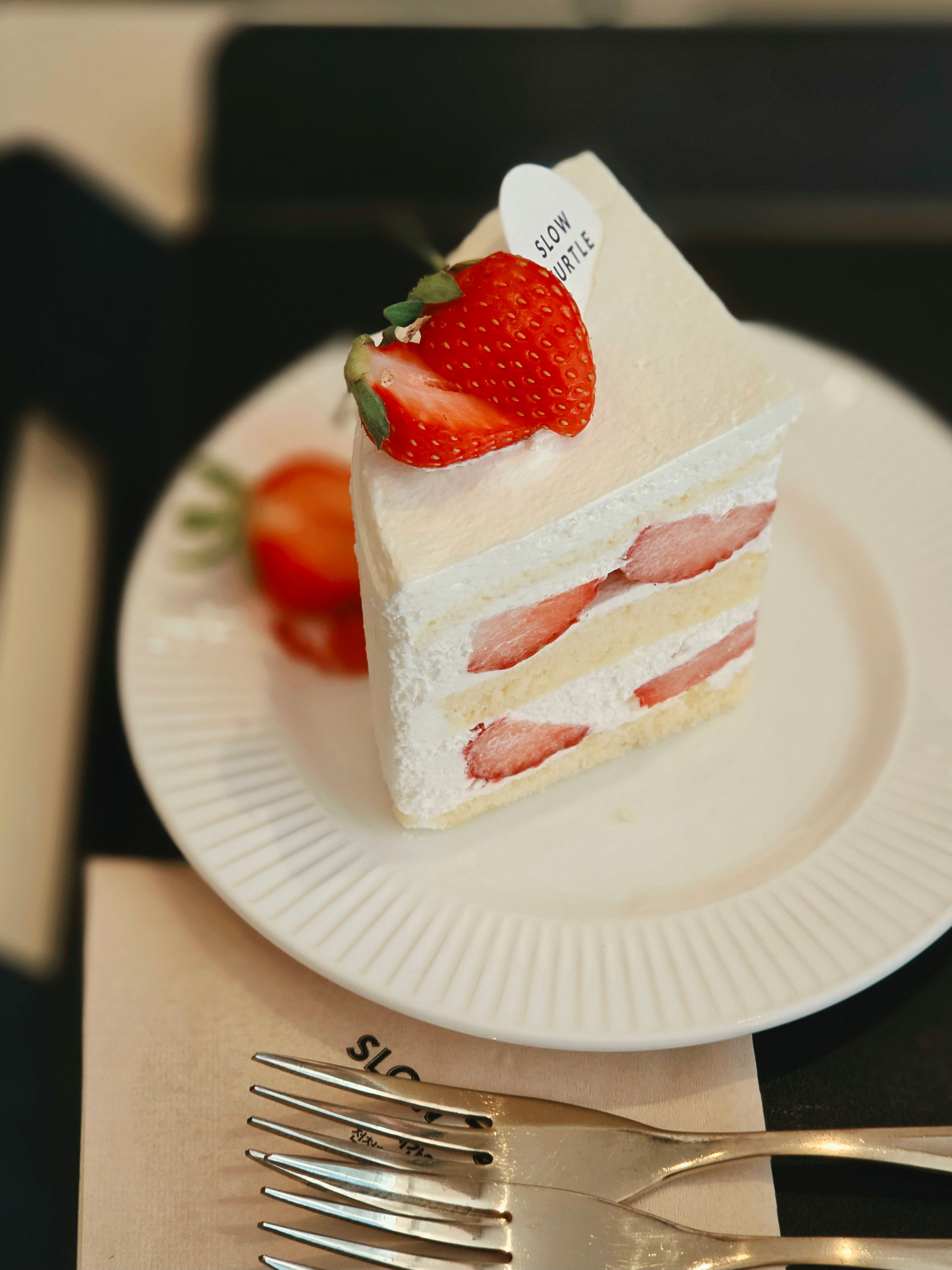
Photo: Four Seasons / Pexels
American
Strawberry Shortcake
The diets react (see scores below)
Common Ingredients
- flour
- sugar
- eggs
- butter
- baking powder
- vanilla extract
- strawberries
- heavy cream
Specific recipes may vary.
Incompatible with 11 of 11 diets
Diet Ratings
Strawberry Shortcake is fundamentally incompatible with a ketogenic diet. The base is made from wheat flour, a grain that is strictly excluded from keto, and sugar is added both to the shortcake and typically to the strawberries. A single serving would deliver well over 50g of net carbs from flour and sugar alone, instantly breaking ketosis. While butter, eggs, and heavy cream are keto-friendly ingredients, they are overwhelmed by the high-carb components. Strawberries themselves are among the higher-carb fruits and must be consumed in very limited quantities on keto. There is no meaningful way to consume a standard serving of this dish within keto macro limits.
Strawberry Shortcake as listed contains multiple animal-derived ingredients that disqualify it from a vegan diet. Eggs and butter are direct animal products (from hens and cows respectively), and heavy cream is a dairy product derived from cow's milk. These three ingredients alone make this dish clearly non-vegan. The strawberries, flour, sugar, baking powder, and vanilla extract are plant-based, but the presence of eggs, butter, and heavy cream is disqualifying. Vegan versions of this dish can easily be made using plant-based butter (e.g., Earth Balance), flax eggs or aquafaba, and coconut cream or oat-based whipped cream substitutes.
Strawberry Shortcake is fundamentally incompatible with the paleo diet. The dish is built on a wheat flour base (a grain, strictly excluded), refined sugar (a processed sweetener with no place in paleo), baking powder (a processed leavening agent with additives), and butter and heavy cream (dairy products excluded under paleo guidelines). While strawberries and eggs are paleo-approved, they are minor components that cannot redeem a recipe whose structural foundation violates core paleo principles across multiple categories simultaneously. This is not a gray-area dish — it is a classic example of Neolithic, agriculturally-dependent eating.
Strawberry Shortcake is a quintessential American dessert that conflicts with Mediterranean diet principles on multiple fronts. The base is made from refined white flour and significant added sugar, both of which the Mediterranean diet discourages. Butter is used as the primary fat rather than olive oil, contradicting the diet's core fat principle. Heavy cream adds substantial saturated fat. While strawberries are a genuinely Mediterranean-friendly ingredient, they are overwhelmed by the surrounding processed, high-sugar, high-saturated-fat components. This dish is essentially a sugary refined-grain confection with whipped cream — the kind of indulgent dessert the Mediterranean pattern treats as a rare occasional treat, not a snack.
Strawberry Shortcake is almost entirely incompatible with the carnivore diet. The dish is dominated by plant-based and processed ingredients: flour (grain), sugar (processed plant-derived sweetener), baking powder (plant-derived leavening agent), vanilla extract (plant-derived), and strawberries (fruit) — all of which are strictly excluded on any tier of the carnivore diet. While eggs, butter, and heavy cream are animal-derived and would be acceptable to many carnivore practitioners, they represent a minor fraction of this dish and cannot redeem it. The combination of refined grains, sugar, and fruit makes this a quintessential anti-carnivore food.
Strawberry Shortcake contains multiple excluded ingredients and also violates the Whole30 'no recreating baked goods' rule. Flour is a grain (wheat) and is explicitly excluded. Sugar is an added sweetener and is explicitly excluded. Butter (regular, not ghee) is a dairy product and is excluded. Heavy cream is dairy and is excluded. Beyond individual ingredients, the dish itself — a baked shortcake — falls squarely into the category of baked goods that Whole30 explicitly prohibits recreating, even with compliant ingredients. This dish fails on nearly every axis of the Whole30 program.
Strawberry Shortcake as traditionally made is high-FODMAP primarily due to wheat flour, which is rich in fructans — one of the most problematic FODMAPs. The shortcake biscuit/cake base made with regular (wheat) flour is a clear FODMAP trigger during the elimination phase. The remaining ingredients are largely low-FODMAP: eggs, butter, baking powder, vanilla extract, and heavy cream are all low-FODMAP. Strawberries are low-FODMAP at a standard serving (about 10 medium berries / 150g per Monash). Sugar in moderate amounts is low-FODMAP. However, the wheat flour base is unavoidable in this traditional preparation and cannot be considered a small or incidental amount — it forms the structural foundation of the dish. A low-FODMAP version could substitute with a gluten-free flour blend (e.g., rice flour), which would make most components safe.
Strawberry Shortcake is fundamentally incompatible with the DASH diet. While the strawberries themselves are an excellent DASH food (rich in potassium, fiber, and antioxidants), the dish is dominated by ingredients that DASH explicitly limits: butter and heavy cream are high in saturated fat, refined white flour lacks fiber and nutrients, and significant added sugar drives up caloric density with no nutritional benefit. The combination of saturated fat from butter and heavy cream, refined carbohydrates from white flour, and added sugar makes this a high-calorie, low-nutrient snack that conflicts with nearly every DASH dietary principle. The heavy cream alone is a full-fat dairy product that DASH specifically discourages. As a snack category food, portion control is unlikely to redeem it meaningfully.
Strawberry shortcake is fundamentally incompatible with Zone Diet principles as a snack. The dish is dominated by refined white flour (high-glycemic carb), added sugar (pure unfavorable carb), and heavy cream (high saturated fat) — three of the Zone's most problematic ingredients appearing together. The macronutrient ratio is wildly skewed: heavily carb- and fat-loaded with virtually no lean protein. As a snack, it would spike insulin dramatically, which is precisely what the Zone is designed to prevent. The only Zone-friendly element is the strawberries, which are a favorable low-glycemic fruit. However, they represent a small fraction of the dish's overall macro contribution. There is no practical way to portion this dish into Zone balance as a snack without deconstructing it entirely — at which point it is no longer strawberry shortcake. The combination of refined flour biscuit + sugar + heavy whipped cream makes this a near-worst-case Zone scenario.
Strawberry shortcake is a dessert built on a foundation of pro-inflammatory ingredients. Refined white flour spikes blood glucose and drives insulin response, both linked to increased inflammatory markers. Added sugar is a primary driver of systemic inflammation and is heavily restricted across all anti-inflammatory frameworks. Butter and heavy cream are high in saturated fat, which is categorized as 'limit' to 'avoid' in anti-inflammatory guidelines. The only redemptive element here is the strawberries, which are genuinely anti-inflammatory — rich in vitamin C, flavonoids (quercetin, anthocyanins), and ellagic acid, all of which reduce oxidative stress. However, strawberries represent a modest portion of this dish by inflammatory impact. Vanilla extract is neutral to mildly beneficial. Eggs are a moderate ingredient, but they don't offset the combined load of refined carbohydrates, saturated fat, and sugar. This dish is structurally a high-glycemic, high-saturated fat dessert that would reliably elevate CRP and insulin in clinical settings. The strawberry component prevents the lowest possible score, but cannot redeem the overall profile.
Strawberry shortcake is a poor fit for GLP-1 patients on nearly every scoring dimension. The base is made from refined flour and sugar with butter — delivering high saturated fat, refined carbohydrates, and minimal fiber or protein. Heavy cream adds a significant fat load per serving, which is particularly problematic given that GLP-1 medications slow gastric emptying: high-fat meals sit in the stomach longer and are a primary driver of nausea, bloating, and reflux. The dish is calorie-dense with very low nutrient density per calorie — the opposite of what reduced-appetite patients need. Sugar content is high, providing little satiety and spiking blood glucose. The only redeeming ingredient is strawberries, which offer some fiber, vitamin C, and water content, but their benefit is overwhelmed by the surrounding preparation. There is no meaningful protein source. This is effectively an empty-calorie, high-fat, high-sugar dessert that conflicts with priorities 1 through 7 of GLP-1 dietary guidance.
*See how scores were generated at our methodology page.
Nutritional profile
Six traits that cut across every diet.
Fiber & Plants
How much whole-plant food and fiber it delivers.
Healthy Fats
The quality of its fats (unsaturated, omega-3).
Whole / Unprocessed
How close it is to its natural, unprocessed form.
Gut Gentle
How easy it is on digestion (low FODMAP, few irritants).
Low Glycemic
How little it spikes your blood sugar.
Protein Density
How much protein it packs per calorie.
Controversy Index
Higher controversy = more disagreement between diets.