Photo: Ali Dashti / Pexels
Syrian
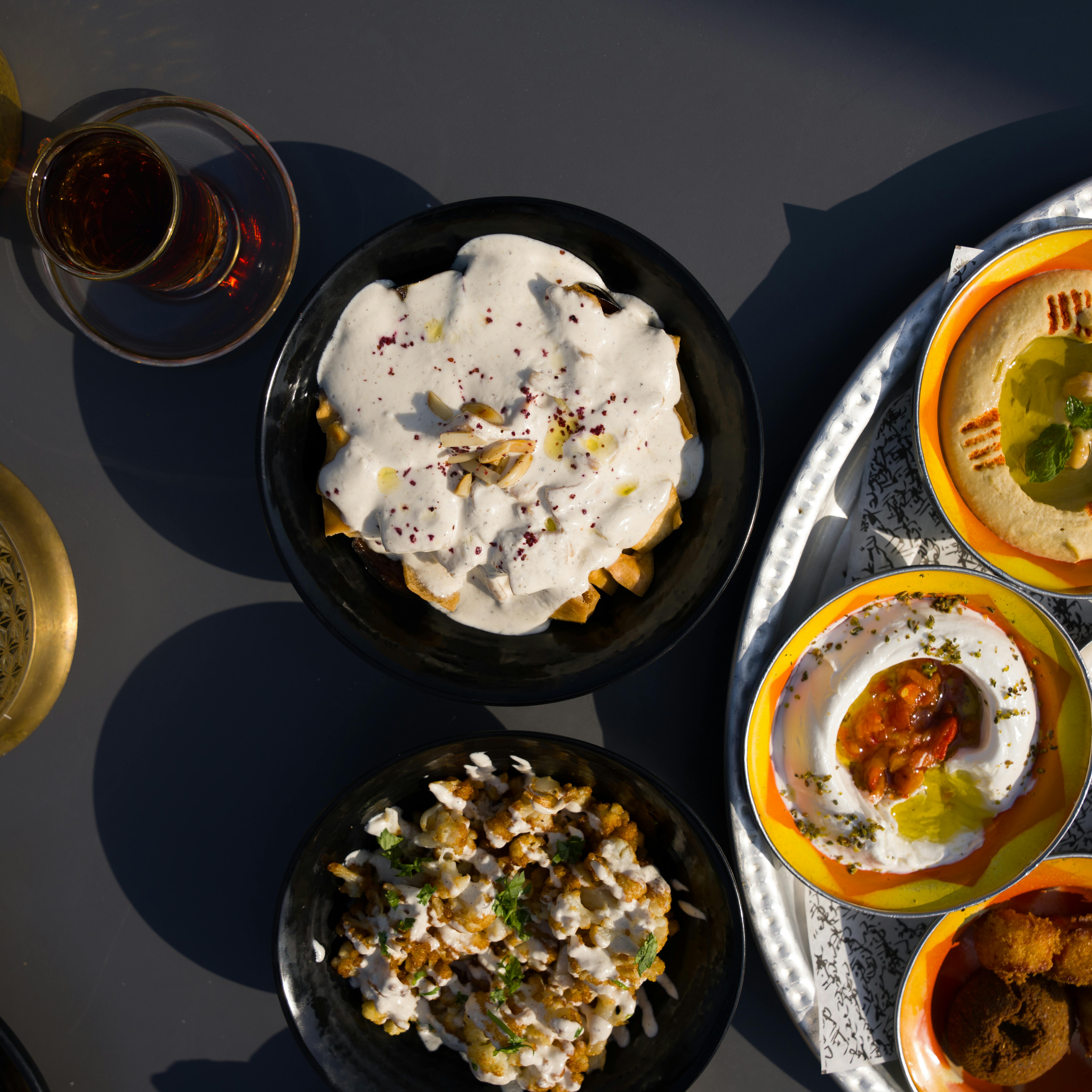
Fattet Hummus
The diets react (see scores below)
Common Ingredients
- chickpeas
- pita bread
- yogurt
- tahini
- garlic
- pine nuts
- cumin
- olive oil
Specific recipes may vary.
Incompatible with 6 of 11 diets
Diet Ratings
Fattet Hummus is fundamentally incompatible with a ketogenic diet. The dish combines two major keto offenders: chickpeas and pita bread. Chickpeas contain approximately 27g of net carbs per 100g serving, and a typical serving in this dish would easily push 30-40g of net carbs from chickpeas alone. Pita bread adds another 30-35g of net carbs per piece. Together, these two ingredients would blow past the entire daily 20-50g net carb limit in a single meal, making ketosis impossible. While tahini, olive oil, garlic, pine nuts, and cumin are keto-friendly ingredients, they cannot redeem a dish built on a foundation of high-carb legumes and grain-based bread.
Fattet Hummus contains yogurt, which is a dairy product derived from animal milk. Dairy is unambiguously excluded from a vegan diet under all major vegan organization guidelines. The remaining ingredients — chickpeas, pita bread, tahini, garlic, pine nuts, cumin, and olive oil — are all fully plant-based, meaning the dish is otherwise vegan-friendly. However, the presence of yogurt as a core structural ingredient (not a garnish) makes this dish non-vegan as traditionally prepared. A vegan adaptation is straightforward: substitute the yogurt with a plant-based alternative such as unsweetened coconut or soy yogurt.
Fattet Hummus is fundamentally incompatible with the Paleo diet. The dish contains multiple core non-Paleo ingredients: chickpeas (a legume, strictly excluded due to lectins and phytates), pita bread (a grain-based product, strictly excluded), and yogurt (dairy, strictly excluded). These are not peripheral or trace ingredients — they are the foundational components of the dish. Tahini (sesame paste) also falls into a gray area as sesame is a seed oil precursor, and while pine nuts, garlic, cumin, and olive oil are Paleo-compliant, they cannot redeem a dish built entirely around legumes, grains, and dairy. This dish represents three simultaneous, clear Paleo violations with high consensus across all major Paleo authorities.
Fattet Hummus is a nutritionally rich Syrian dish built around chickpeas (an excellent legume staple), tahini (healthy sesame paste), olive oil, garlic, and pine nuts — all core Mediterranean diet foods. Yogurt is a moderate-frequency dairy item fully compatible with the diet. The main caveat is the pita bread, which is typically made from refined white flour, diverging from the Mediterranean preference for whole grains. However, the overall ingredient profile is plant-forward, minimally processed, and rich in fiber, healthy fats, and plant protein, making it a strong Mediterranean-aligned meal despite the refined bread component.
Some Mediterranean diet purists or modern clinical interpretations would flag the refined pita as a meaningful negative, recommending whole-grain flatbread substitutes; however, traditional Levantine cuisine — which overlaps significantly with Mediterranean dietary patterns — has long incorporated white pita as a staple, and the broader nutritional context of the dish remains highly favorable.
Fattet Hummus is entirely plant-based and grain-based, containing zero animal products. Every single ingredient — chickpeas, pita bread, tahini, garlic, pine nuts, cumin, and olive oil — is plant-derived and explicitly excluded from the carnivore diet. The only partial exception is yogurt, which is dairy and animal-derived, but it is a minor component surrounded by completely incompatible foods. This dish represents the antithesis of carnivore eating: legumes (chickpeas) are a high-antinutrient plant food, pita bread is a grain product, tahini is a seed paste, and olive oil is a plant oil. There is no version of this dish that could be adapted to carnivore principles without being an entirely different dish.
Fattet Hummus contains multiple Whole30-excluded ingredients. Chickpeas are legumes, which are explicitly prohibited on Whole30. Pita bread is a grain-based product (wheat), also explicitly excluded. Yogurt is a dairy product, which is excluded (only ghee/clarified butter is the dairy exception). These three core ingredients — chickpeas, pita, and yogurt — are all independently disqualifying, making this dish entirely incompatible with the Whole30 program. The remaining ingredients (tahini, garlic, pine nuts, cumin, olive oil) are individually compliant, but they cannot redeem a dish built on excluded foundations.
Fattet Hummus contains multiple high-FODMAP ingredients that make it unsuitable during the elimination phase. Chickpeas are high in GOS and are high-FODMAP at typical serving sizes (Monash rates canned chickpeas as low-FODMAP only at 1/4 cup/42g, but a dish like Fattet Hummus uses them as the primary protein in much larger quantities). Pita bread is made from wheat, which is high in fructans and clearly high-FODMAP. Yogurt contains lactose and is high-FODMAP unless it is lactose-free. Garlic is one of the highest-FODMAP foods tested by Monash, containing significant fructans even in very small amounts. Together, these four ingredients — chickpeas (GOS), pita (fructans), yogurt (lactose), and garlic (fructans) — represent multiple FODMAP categories simultaneously, making this dish a clear avoid during the elimination phase regardless of portion size. Tahini (sesame paste) and olive oil are low-FODMAP, pine nuts are low-FODMAP at small servings, and cumin is low-FODMAP in culinary amounts, but these do not offset the multiple high-FODMAP components.
Fattet Hummus is a layered Syrian dish combining chickpeas, yogurt, tahini, pita bread, olive oil, garlic, cumin, and pine nuts. Many of its components align well with DASH principles: chickpeas are an excellent source of plant protein, fiber, potassium, and magnesium; yogurt provides calcium and protein (though full-fat yogurt is the typical Syrian preparation, which DASH specifies should be low-fat); olive oil is a DASH-approved unsaturated fat; and cumin and garlic are sodium-free seasonings. However, several factors require moderation. Pita bread, especially commercially produced, can carry moderate sodium (150–250mg per piece) and is typically made from refined white flour rather than whole grain. Tahini is calorie-dense and moderately high in fat, though largely unsaturated. Pine nuts add healthy fats but increase caloric density. The dish's overall sodium content depends heavily on preparation — canned chickpeas add significant sodium unless rinsed, and the combination of pita and tahini can push sodium higher. The use of full-fat yogurt (standard in Syrian cuisine) conflicts with DASH's low-fat dairy recommendation. With mindful preparation — using whole-wheat pita, rinsed or home-cooked chickpeas, low-fat yogurt, and modest olive oil — this dish can approach DASH-compliant territory. As traditionally prepared, it earns a cautious approval given its strong plant-based protein and fiber profile offset by fat and sodium concerns.
NIH DASH guidelines specify low-fat or fat-free dairy and limit saturated fat, which argues for substituting low-fat yogurt in this dish. However, updated clinical interpretations note that emerging research does not consistently link full-fat dairy to worse cardiovascular outcomes, and some DASH-oriented clinicians now permit moderate full-fat dairy consumption, which would make the traditional preparation of this dish more acceptable.
Fattet Hummus is a layered Syrian dish combining chickpeas, pita bread, yogurt, tahini, olive oil, pine nuts, garlic, and cumin. From a Zone perspective, this dish has several favorable elements but requires careful portioning and modification to hit the 40/30/30 ratio. Chickpeas are a Zone-acceptable vegetarian protein/carb source (they count as both a protein and carb block), yogurt adds lean dairy protein, tahini and olive oil provide mostly monounsaturated fat, and pine nuts are a good fat source. However, the dish skews heavily carbohydrate — pita bread is a high-glycemic refined grain (an 'unfavorable' Zone carb), and chickpeas are relatively carb-dense. The protein profile from beans and yogurt is incomplete without a more concentrated lean protein source, especially since vegetarian protein blocks require 3g fat blocks rather than 1.5g (affecting fat accounting). The dish could work in Zone if pita is minimized or eliminated, portions are tightly controlled, and perhaps some additional lean protein (e.g., egg whites or low-fat dairy) is added. As traditionally served, the pita-to-protein ratio is likely too carb-heavy and lacks a dominant lean protein to anchor the meal at the standard 25g protein target.
Some Zone practitioners following Sears' later anti-inflammatory framework ('The Zone Diet') would view this dish more favorably than early Zone writings suggest — chickpeas are high in polyphenols and fiber (lowering net carb load), yogurt provides probiotics and complete protein, and olive oil/tahini deliver anti-inflammatory monounsaturated fats. If pita is treated as a minor garnish rather than a base, the overall dish can be restructured into a reasonable Zone-compatible meal, potentially scoring closer to 6-7. The vegetarian-protein block accounting (3g fat per block) also means tahini and pine nuts serve a dual fat+protein role that some Zone practitioners accommodate flexibly.
Fattet Hummus is a nutritionally rich Syrian dish with a largely favorable anti-inflammatory profile, tempered by one notable concern. Chickpeas are an emphasized legume in anti-inflammatory frameworks — high in fiber, plant protein, and polyphenols that support gut health and reduce CRP. Olive oil contributes oleocanthal, a well-documented anti-inflammatory compound. Garlic and cumin are valued anti-inflammatory spices. Tahini (sesame paste) provides lignans and some omega-6, but in moderate culinary amounts is generally acceptable. Yogurt is a low-fat dairy product — in the 'moderate' tier — and provides probiotics that may reduce gut-driven inflammation. Pine nuts offer some anti-inflammatory monounsaturated fats and vitamin E. The primary concern is the pita bread: refined white flour pita is a refined carbohydrate, which anti-inflammatory guidelines consistently flag as a food to limit due to its glycemic impact and lack of fiber. Whole wheat pita would substantially improve the profile. The overall dish leans positive given the weight of anti-inflammatory ingredients, but the refined pita prevents a full approval score. Rated as a moderate 'caution' with a score of 6 — excellent in composition but held back by the refined grain base.
Some anti-inflammatory nutritionists, particularly those following a Mediterranean-diet-adjacent framework (as advocated by Dr. Weil), would rate this more favorably, arguing that the glycemic load is buffered by the high protein and fiber content of the chickpeas and yogurt, and that whole-food dishes in traditional culinary contexts are preferable to isolated ingredient analysis. Others following stricter grain-limiting protocols (such as AIP or paleo-influenced anti-inflammatory plans) would rate this lower, flagging both the refined pita and the lectin content of chickpeas as potentially pro-inflammatory, particularly for autoimmune-sensitive individuals.
Fattet Hummus is a layered Syrian dish combining chickpeas, yogurt, tahini, toasted pita, olive oil, pine nuts, garlic, and cumin. It has genuine nutritional strengths for GLP-1 patients: chickpeas provide both plant protein and meaningful fiber, yogurt adds additional protein and probiotics, and the spices are gentle on digestion. However, several factors push it into caution territory. Tahini and pine nuts contribute a notable fat load per serving, and while these are unsaturated fats, the cumulative fat content can worsen GLP-1-related nausea, bloating, or reflux — particularly at breakfast when the stomach is already sensitized. The pita bread component adds refined carbohydrates with limited fiber and protein value, diluting the overall nutrient density per calorie. Protein yield from chickpeas alone is moderate (~7-9g per half-cup), likely falling short of the 15-30g per meal target unless yogurt portions are generous. The dish is also inherently volume-heavy and layered, which may feel overwhelming given slowed gastric emptying. A modified version — smaller pita or whole-grain pita, extra yogurt, reduced tahini and pine nuts — would score meaningfully higher.
Some GLP-1-focused dietitians would rate this more favorably, emphasizing that the chickpea-yogurt combination delivers a reasonable plant-protein and fiber profile in a single dish, and that unsaturated fats from tahini and olive oil are preferable to saturated alternatives. Others, particularly those managing patients with prominent GI side effects, would flag the fat density and volume of the dish as likely to trigger nausea or reflux at breakfast, when GLP-1 gastric slowing tends to be most pronounced.
*See how scores were generated at our methodology page.
Nutritional profile
Six traits that cut across every diet.
Fiber & Plants
How much whole-plant food and fiber it delivers.
Healthy Fats
The quality of its fats (unsaturated, omega-3).
Whole / Unprocessed
How close it is to its natural, unprocessed form.
Gut Gentle
How easy it is on digestion (low FODMAP, few irritants).
Low Glycemic
How little it spikes your blood sugar.
Protein Density
How much protein it packs per calorie.
Controversy Index
Higher controversy = more disagreement between diets.
Diet-Specific Tips
 Mediterranean — 8/10
View tips
- Chickpeas are a premier Mediterranean legume, providing fiber and plant protein
- Olive oil is the canonical Mediterranean fat, used here as a dressing
- Tahini and pine nuts add healthy unsaturated fats and micronutrients
- Yogurt is acceptable as a moderate-frequency dairy component
- Pita bread is typically refined white flour, not ideal under modern Mediterranean guidelines
- Dish is minimally processed and free of added sugars or saturated fats
- Strong alignment with traditional Levantine/Eastern Mediterranean food traditions
 DASH — 6/10
View tips
- Chickpeas are an excellent DASH-approved plant protein and fiber source rich in potassium and magnesium
- Full-fat yogurt as traditionally used conflicts with DASH low-fat dairy specification
- Pita bread is typically refined white flour with moderate sodium — whole-wheat pita preferred
- Olive oil and tahini provide DASH-friendly unsaturated fats but increase caloric density
- Sodium level is highly preparation-dependent — canned chickpeas should be rinsed; home-cooked preferred
- Pine nuts add healthy fats and magnesium in small portions
- Dish has strong plant-based Mediterranean character aligning with DASH spirit, with modifications needed for full compliance
 Zone — 5/10
View tips
- Pita bread is a high-glycemic refined carbohydrate ('unfavorable' Zone carb) and inflates the carb load
- Chickpeas serve as both protein and carb blocks — useful for vegetarian Zone but carb-dense overall
- Yogurt provides lean dairy protein, supporting the protein block requirement
- Tahini and olive oil are predominantly monounsaturated — ideal Zone fat sources
- Pine nuts are an approved Zone fat block
- As a vegetarian-protein meal, fat block size doubles (3g/block), which must be accounted for
- Traditional serving ratio is likely too carb-heavy relative to protein without modification
- Garlic, cumin, and chickpea polyphenols align with Sears' anti-inflammatory focus
 Anti-Inflammatory — 6/10
View tips
- Chickpeas: highly emphasized legume — rich in fiber, plant protein, and anti-inflammatory polyphenols
- Olive oil: potent anti-inflammatory source of oleocanthal and monounsaturated fats
- Garlic and cumin: anti-inflammatory spices with well-documented benefits
- Yogurt: low-fat dairy in the 'moderate' tier; probiotics may reduce gut inflammation
- Tahini: sesame-based, moderate omega-6, acceptable in culinary quantities
- Pine nuts: monounsaturated fats and vitamin E, modest anti-inflammatory contribution
- Pita bread (refined white flour): key liability — refined carbohydrate flagged in all anti-inflammatory frameworks; whole wheat pita would significantly improve the rating
 GLP-1 Friendly — 5/10
View tips
- Chickpeas provide plant protein (~7-9g per half-cup) and fiber (~6g), supporting two top GLP-1 priorities
- Yogurt adds protein and probiotics but total meal protein likely falls short of the 15-30g per meal target without generous portioning
- Tahini and pine nuts contribute meaningful unsaturated fat — beneficial in type but potentially problematic in quantity for GLP-1 GI tolerance
- Pita bread is a refined carbohydrate with low protein and fiber density, reducing overall nutrient density per calorie
- Dish volume and layered richness may be difficult to tolerate given slowed gastric emptying, especially at breakfast
- Fat-forward profile increases risk of nausea, bloating, or reflux — common GLP-1 side effects worsened by high-fat meals
- Cumin and garlic are gentle spices unlikely to worsen GI symptoms
- Portion control is key: a smaller serving with reduced tahini and pine nuts significantly improves the GLP-1 compatibility profile