Photo: Anthony Rahayel / Pexels
Syrian
Sheikh al Mahshi
The diets react (see scores below)
Common Ingredients
- zucchini
- lamb
- pine nuts
- onion
- tomato
- allspice
- cinnamon
- garlic
Specific recipes may vary.
Incompatible with 5 of 11 diets
Diet Ratings
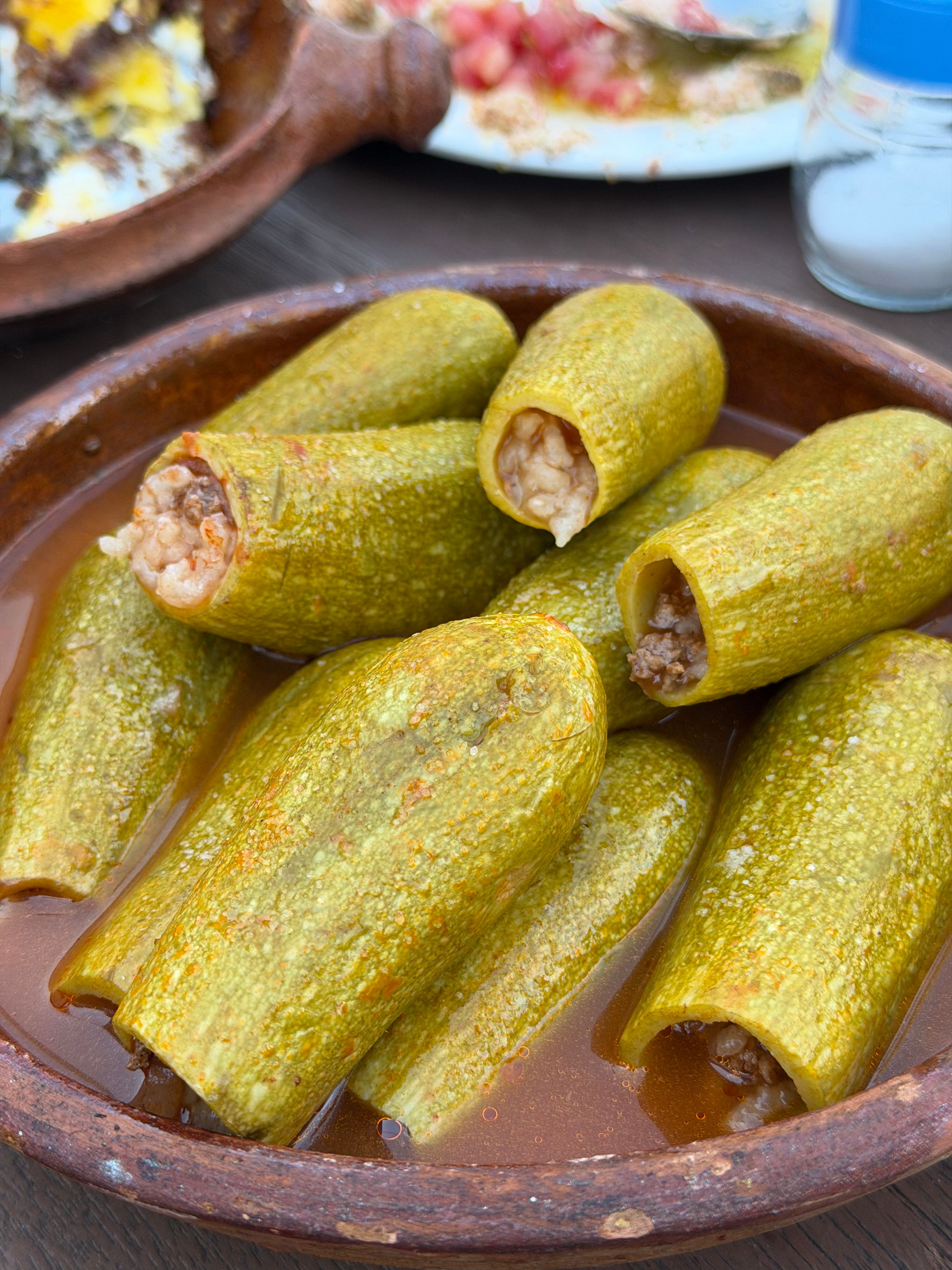
Sheikh al Mahshi is a Syrian dish of zucchini stuffed with spiced lamb and pine nuts, served in a tomato-based sauce. The core ingredients are largely keto-friendly: lamb provides quality protein and fat, zucchini is a low-carb vegetable (~3g net carbs per 100g), pine nuts add healthy fats, and the spices (allspice, cinnamon, garlic) contribute negligible carbs. The main concern is the tomato sauce, which adds moderate carbs (~4-5g net carbs per 100g), and onion, which contains about 7-8g net carbs per 100g. In a standard serving, cumulative carbs from tomato sauce and onion could push toward the cautious zone, especially if portions are generous or if sugar is added to the sauce (as is traditional in some recipes). Without added sugar or rice (a common stuffing addition), this dish is reasonably keto-compatible with portion awareness. A standard serving likely falls in the 8-15g net carb range, making it workable within a daily keto budget.
Strict keto practitioners may flag this dish due to the tomato-based sauce and onion, which can accumulate meaningful carbs across a full serving; some clinical keto protocols recommend avoiding nightshade-heavy sauces entirely to prevent carb creep, especially when multiple moderate-carb ingredients combine.
Sheikh al Mahshi is a traditional Syrian dish consisting of zucchini stuffed with a spiced lamb and pine nut mixture, cooked in a tomato-based sauce. Lamb is a direct animal product (red meat), making this dish entirely incompatible with a vegan diet. There is no ambiguity here — the primary protein is animal flesh, which is categorically excluded under all vegan frameworks.
Sheikh al Mahshi is a Syrian stuffed zucchini dish filled with spiced lamb and pine nuts, cooked in a tomato-based sauce. Every ingredient — zucchini, lamb, pine nuts, onion, tomato, garlic, allspice, and cinnamon — is fully paleo-compliant. These are all whole, unprocessed foods that would have been available to hunter-gatherers (or are direct equivalents thereof). There are no grains, legumes, dairy, refined sugars, seed oils, or processed additives present. The spices used (allspice, cinnamon) are natural and paleo-approved. This dish is an excellent example of a naturally paleo meal that requires no modification.
Sheikh al Mahshi is a traditional Syrian stuffed zucchini dish featuring lamb as the primary protein. While the dish includes several Mediterranean-friendly ingredients — zucchini (a staple vegetable), tomato, onion, garlic, pine nuts, and aromatic spices — lamb is a red meat, which the Mediterranean diet limits to a few times per month. The vegetable base (zucchini, tomato, onion, garlic) and pine nuts are genuinely positive elements, and the dish is minimally processed with whole ingredients and no refined grains or added sugars. However, lamb as the primary protein is the limiting factor, pushing this dish into the 'caution' category rather than 'avoid,' since it is not heavily processed and is accompanied by nutrient-rich plant foods. Occasional consumption is acceptable, but it should not be a regular staple.
Some Mediterranean diet authorities note that lamb has been a traditional protein in Eastern Mediterranean and Levantine cuisines for millennia, and moderate consumption within an otherwise plant-rich dietary pattern is consistent with traditional practice. The Oldways Mediterranean Diet Pyramid acknowledges regional variation, and a dish like this — rich in vegetables and nuts — may be viewed more favorably in the context of an otherwise plant-forward diet.
Sheikh al Mahshi is fundamentally incompatible with the carnivore diet. While lamb is an excellent carnivore-approved protein, the dish is built around multiple plant-based components that are all excluded. Zucchini serves as the main vessel, onion, tomato, garlic, pine nuts, allspice, and cinnamon are all plant-derived ingredients. The majority of this dish by volume and composition is plant matter, making it clearly off-plan regardless of the quality lamb used. There is no version of this dish that could be considered carnivore-compliant without a complete reconstruction.
Sheikh al Mahshi is a Syrian stuffed zucchini dish with a filling of ground lamb, pine nuts, onion, tomato, and warm spices (allspice, cinnamon, garlic). Every ingredient in this dish is explicitly compliant with Whole30 rules: lamb is an approved protein, zucchini and tomato are vegetables, pine nuts are tree nuts (allowed), onion and garlic are vegetables, and allspice and cinnamon are compliant spices. There are no grains, legumes, dairy, added sugars, or any other excluded ingredients present. This is a whole, minimally processed traditional dish that perfectly aligns with the spirit and letter of the Whole30 program.
Sheikh al Mahshi contains multiple high-FODMAP ingredients that make it unsuitable during the elimination phase. Garlic is one of the highest-FODMAP foods tested by Monash University, rich in fructans, and is essentially impossible to include at any meaningful culinary quantity. Onion is similarly a major fructan source and is high-FODMAP at any standard serving used in cooking. These two ingredients alone disqualify this dish during elimination. The dish as traditionally prepared cannot be modified easily without losing its core flavor profile, since both garlic and onion are foundational aromatics in the stuffing mixture.
Sheikh al Mahshi is a Syrian stuffed zucchini dish with a lamb and pine nut filling cooked in tomato sauce. The vegetable base (zucchini, tomato, onion, garlic) is strongly aligned with DASH principles, providing potassium, fiber, and antioxidants. The spices (allspice, cinnamon) add flavor without sodium, which is a DASH-positive approach. However, lamb is a red meat with notable saturated fat content, which DASH explicitly limits — DASH guidelines recommend limiting red meat and favoring lean poultry or fish instead. Pine nuts are a healthy fat source consistent with DASH, but add caloric density. The dish's overall sodium level depends heavily on preparation (added salt, canned tomatoes), but the absence of processed or high-sodium ingredients in the listed components is a positive sign. Portion size of lamb is the key variable — a modest serving of this dish can fit within DASH guidelines, but larger portions of the lamb filling push it toward the limit on saturated fat and red meat intake.
NIH DASH guidelines categorize red meat (including lamb) as a limited food due to saturated fat and recommend no more than 2 servings per week. However, updated clinical interpretations note that lean cuts of lamb in moderate portions, within an otherwise vegetable-rich dish like this one, may be acceptable — some DASH-aligned dietitians focus on overall dietary pattern rather than categorical exclusion of red meat.
Sheikh al Mahshi is a Syrian stuffed zucchini dish where hollowed zucchini is filled with a spiced lamb and pine nut mixture, then simmered in a tomato-based sauce. From a Zone perspective, the dish has several positive elements: zucchini is a favorable, low-glycemic carbohydrate and a Zone-approved vegetable; tomatoes and onions are acceptable Zone carb sources; garlic and spices (allspice, cinnamon) are anti-inflammatory polyphenol-rich additions with negligible macro impact. However, the primary protein is lamb, which is a higher-fat, higher-saturated-fat protein compared to Zone ideals like skinless chicken or fish. Ground lamb can run 20-25% fat by weight, making it harder to hit the lean protein target of ~7g protein per block without also accumulating excess saturated fat. Pine nuts add fat — primarily monounsaturated and polyunsaturated — which is more Zone-friendly fat, but the total fat load between the lamb and pine nuts can easily overshoot the 30% fat target without careful portioning. The dish lacks a dedicated complex carbohydrate block beyond the zucchini and tomato, meaning additional low-GI vegetables or fruit would be needed to balance a full Zone meal. With portion control (leaner lamb, modest pine nuts, generous zucchini), this dish can be made Zone-compatible, but it requires active management of the protein-to-fat ratio.
In Dr. Sears' earlier Zone writings (Enter the Zone), lamb was generally classified as an 'unfavorable' protein due to its saturated fat content. However, in his later anti-inflammatory framework, Sears acknowledged that grass-fed red meat contains conjugated linoleic acid (CLA) and a better omega-6 to omega-3 ratio than grain-fed meat, making grass-fed lamb somewhat more acceptable. Some Zone practitioners treat small portions of lamb as workable within the block system, especially when paired with favorable vegetables like zucchini. The classification thus depends on whether one applies early Zone strict guidelines or Sears' updated anti-inflammatory perspective.
Sheikh al Mahshi is a Syrian dish of zucchini stuffed with spiced lamb and pine nuts, typically served in a tomato-based sauce. The ingredient profile is mixed from an anti-inflammatory standpoint. On the positive side: zucchini is a low-glycemic, antioxidant-rich vegetable; tomato provides lycopene and vitamin C; garlic has well-documented anti-inflammatory properties (allicin); allspice and cinnamon are anti-inflammatory spices with polyphenol content; onion contributes quercetin; and pine nuts offer some omega-3s (though primarily omega-6 as pinolenic acid) and vitamin E. The limiting factor is lamb as the primary protein. Red meat sits in the 'limit' category under anti-inflammatory guidelines due to saturated fat content and potential to raise arachidonic acid levels and inflammatory markers (CRP, IL-6) when consumed regularly. However, lamb is not processed, portions in stuffed dishes are typically moderate, and the anti-inflammatory spice matrix (cinnamon, allspice, garlic) partially offsets the concern. This is a nutrient-dense traditional dish — the concern is primarily the red meat base, not the overall composition. As an occasional dish rather than a daily staple, it fits a 'caution' rating: acceptable in moderation, not a regular anti-inflammatory go-to.
Some anti-inflammatory practitioners (including those aligned with Mediterranean diet principles) would argue that unprocessed lamb in moderate portions, embedded in a vegetable-rich, spice-forward dish, is acceptable and perhaps borderline approve-worthy — particularly given the garlic, tomato, and cinnamon content. Conversely, stricter anti-inflammatory protocols (e.g., those targeting autoimmune conditions or elevated CRP) would rate this lower due to red meat's arachidonic acid content and saturated fat load.
Sheikh al Mahshi is stuffed zucchini filled with a spiced lamb, pine nut, and onion mixture, typically finished with a tomato-based sauce. The dish has meaningful strengths for GLP-1 patients: zucchini is low-calorie, high in water content, easy to digest, and portion-friendly; tomato adds lycopene and hydration; allspice, cinnamon, and garlic are GI-tolerable in culinary amounts. The lamb and pine nut combination, however, is the primary concern. Ground lamb is a moderately high-fat protein — saturated fat content is notably higher than chicken breast, turkey, or fish. Pine nuts add additional fat (mostly unsaturated, which is preferable, but still calorie-dense in a context where every calorie must work hard). The dish does deliver meaningful protein, but the fat load per serving may worsen GLP-1 side effects such as nausea, bloating, and delayed gastric emptying, particularly early in treatment. Fiber content is modest — zucchini and tomato contribute some, but this is not a high-fiber dish. Overall, this is a nutritionally real dish with good cultural value and a reasonable protein contribution, but the fatty meat and pine nuts push it into caution territory rather than approve. A modified version using lean ground turkey or a lamb-turkey blend with reduced pine nuts would score higher.
Some GLP-1-focused dietitians accept moderate lamb consumption, noting that the protein density and satiety value of red meat can support the high daily protein targets that are difficult to meet on a reduced appetite. Others flag that lamb's saturated fat content is a consistent trigger for nausea and delayed gastric emptying in GLP-1 patients, particularly in the first several months of treatment, and recommend avoiding it until GI tolerance is well established.
*See how scores were generated at our methodology page.
Nutritional profile
Six traits that cut across every diet.
Fiber & Plants
How much whole-plant food and fiber it delivers.
Healthy Fats
The quality of its fats (unsaturated, omega-3).
Whole / Unprocessed
How close it is to its natural, unprocessed form.
Gut Gentle
How easy it is on digestion (low FODMAP, few irritants).
Low Glycemic
How little it spikes your blood sugar.
Protein Density
How much protein it packs per calorie.
Controversy Index
Higher controversy = more disagreement between diets.
Diet-Specific Tips
 Keto — 6/10
View tips
- Zucchini is low net carb and a keto-friendly vegetable base
- Lamb provides high-quality protein and fat — core keto macros
- Pine nuts add healthy fats with moderate carbs (~3g net per oz — portion sensitive)
- Tomato sauce contributes moderate carbs and must be portion-controlled
- Onion adds carbs (~7-8g net/100g) and should be used sparingly
- Spices (allspice, cinnamon) are negligible in carb impact at culinary doses
- No grains or added sugars in the traditional recipe — a key keto positive
- Total net carbs per serving estimated 8-15g depending on portion size
 Mediterranean — 4/10
View tips
- Lamb is a red meat, limited to a few times per month on the Mediterranean diet
- Zucchini, tomato, onion, and garlic are excellent Mediterranean staple vegetables
- Pine nuts are a healthy Mediterranean nut, adding beneficial fats
- No refined grains, added sugars, or highly processed ingredients
- Traditional Levantine dish with whole, minimally processed ingredients
- Aromatic spices (allspice, cinnamon) are consistent with Mediterranean culinary traditions
 DASH — 5/10
View tips
- Lamb is a red meat high in saturated fat — DASH limits red meat consumption
- Zucchini, tomato, onion, and garlic are DASH-approved vegetables providing potassium and fiber
- Pine nuts contribute healthy unsaturated fats consistent with DASH
- No processed or inherently high-sodium ingredients listed — sodium level depends on cooking preparation
- Spice-based flavoring (allspice, cinnamon) avoids sodium, a DASH-positive technique
- Portion control of the lamb filling is critical for DASH compatibility
- Overall dish pattern is vegetable-forward, partially offsetting the red meat concern
 Zone — 5/10
View tips
- Lamb is a higher-saturated-fat protein, classified as 'unfavorable' in classic Zone terminology — requires lean cuts and careful portioning
- Zucchini is an excellent low-glycemic Zone-favorable carbohydrate and vegetable
- Pine nuts contribute predominantly monounsaturated fat, which is Zone-preferred, but add to the total fat load alongside lamb fat
- Tomato and onion are acceptable low-glycemic Zone carb sources with polyphenol benefits
- Spices (allspice, cinnamon) are anti-inflammatory — consistent with Sears' polyphenol emphasis
- The dish is low in high-glycemic carbohydrates — no rice, bread, or added sugar in the base recipe
- Total fat balance is the primary concern: lamb fat plus pine nut fat can push the meal above the 30% fat target
- Would benefit from leaner protein substitution (e.g., extra-lean ground lamb or blended with turkey) to better fit Zone macros
 Anti-Inflammatory — 5/10
View tips
- Lamb is a red meat — categorized as 'limit' in anti-inflammatory guidelines due to saturated fat and potential to raise inflammatory markers
- Zucchini, tomato, and onion provide antioxidants, lycopene, and quercetin with anti-inflammatory benefit
- Garlic is a well-established anti-inflammatory ingredient (allicin)
- Cinnamon and allspice are polyphenol-rich anti-inflammatory spices
- Pine nuts provide vitamin E and some healthy fats, though omega-6 dominant
- No processed ingredients, trans fats, refined carbohydrates, or added sugars
- Moderate portion context of lamb within a vegetable-stuffed dish reduces overall concern
 GLP-1 Friendly — 5/10
View tips
- Lamb is a high-saturated-fat protein — less ideal than chicken, fish, or turkey for GLP-1 patients
- Pine nuts add calorie-dense fat, though mostly unsaturated; portion matters significantly
- Zucchini is GLP-1-friendly: low calorie, high water content, easy to digest, portion-friendly
- Tomato-based sauce supports hydration and adds micronutrients without significant fat
- Spices (allspice, cinnamon, garlic) are tolerable in culinary amounts and do not worsen GI side effects
- Moderate protein delivery but fat-to-protein ratio is less favorable than lean protein sources
- Fiber content is modest — not a meaningful fiber contributor
- High-fat content may worsen nausea, bloating, and reflux in GLP-1 patients
- Portion size is critical — one or two stuffed zucchini may be appropriate; larger servings increase fat load