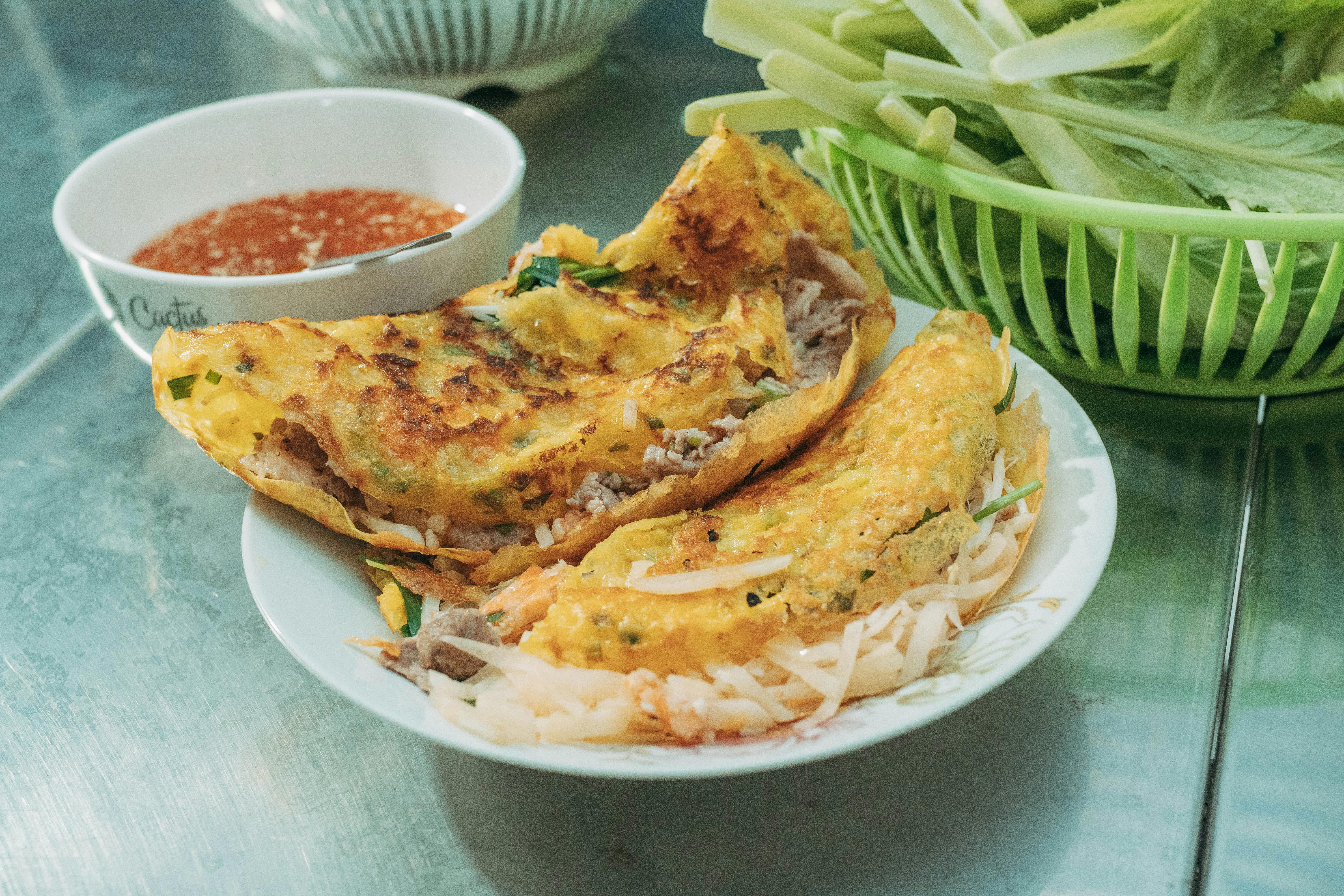
Photo: FOX ^.ᆽ.^= ∫ / Pexels
The diets react (see scores below)
Common Ingredients
- oysters
- eggs
- rice flour
- tapioca starch
- bean sprouts
- garlic
- scallions
- fish sauce
- sriracha
- cilantro
Specific recipes may vary.
Incompatible with 7 of 11 diets
Diet Ratings
Hoi Tod is a Thai oyster omelette that is fundamentally incompatible with ketogenic eating. The batter is made from rice flour and tapioca starch — both high-glycemic, high-carb ingredients that are explicitly excluded from keto. A standard serving likely contains 30-50g+ of net carbs from the batter alone, easily exceeding the daily keto limit in a single dish. While some individual ingredients are keto-friendly (eggs, oysters, fish sauce, garlic, cilantro, bean sprouts in small amounts), the core structural components — the rice flour and tapioca starch batter — make this dish incompatible with ketosis in its traditional form. Sriracha also typically contains added sugar, adding minor additional carbs. There is no meaningful portion-control workaround; the batter is the dish.
Hoi Tod contains multiple animal-derived ingredients that categorically disqualify it from a vegan diet. Oysters are shellfish (animals), eggs are a direct animal product, and fish sauce is derived from fermented fish. These are not trace contaminants or contested ingredients — they are primary, defining components of the dish. No meaningful vegan interpretation would accept this combination.
Hoi Tod is a Thai oyster omelette that contains multiple non-paleo ingredients. Rice flour is a grain-based product and is excluded under strict paleo rules. Tapioca starch, while derived from cassava (a tuber), is a highly processed, isolated starch with minimal nutritional value and is generally avoided in paleo. Bean sprouts (from mung beans) are legumes and therefore excluded. Fish sauce typically contains added salt and often preservatives, making it a processed condiment. Sriracha commonly contains sugar, preservatives, and other additives. While oysters and eggs are paleo-approved, and garlic, scallions, and cilantro are fine, the structural ingredients (rice flour, tapioca starch, bean sprouts) and condiments (fish sauce, sriracha) make this dish fundamentally incompatible with a paleo diet.
Hoi Tod contains several Mediterranean-compatible elements: oysters are an excellent seafood source aligned with the diet's emphasis on fish and shellfish 2-3 times weekly, and the vegetable components (bean sprouts, garlic, scallions, cilantro) are plant-forward positives. Eggs are acceptable in moderation. However, the dish is fried in a batter made from rice flour and tapioca starch — refined starches that are not whole grains — and the cooking method typically involves shallow or deep frying, likely in neutral oils rather than olive oil. Fish sauce adds sodium but is a fermented condiment used sparingly. Sriracha is a minimally processed condiment with modest sugar. The overall dish is a mixed picture: good protein source and vegetables, but the refined-starch fried batter and non-olive-oil frying medium work against core Mediterranean principles.
Some Mediterranean diet interpreters focusing on traditional coastal and island communities would view shellfish like oysters as strongly encouraged regardless of preparation method, and might accept occasional fried preparations as culturally normal (e.g., Greek calamari or Spanish fritters). From this perspective, the oyster and vegetable content could push the dish closer to 'approve' if the frying fat and portion of batter are moderated.
Hoi Tod is fundamentally incompatible with the carnivore diet. While it contains carnivore-approved ingredients (oysters, eggs, fish sauce), the dish is built around a batter of rice flour and tapioca starch — both plant-derived grains/starches that are strictly excluded. Bean sprouts, garlic, scallions, sriracha, and cilantro are all plant foods. The oysters and eggs are the only salvageable components. The dish as a whole is a plant-heavy, grain-battered snack that cannot be adapted without essentially creating an entirely different dish.
Hoi Tod is a Thai oyster omelette/pancake that is excluded on Whole30 for two distinct reasons. First, rice flour is a grain-derived ingredient and grains are explicitly excluded from the Whole30 program. Second, tapioca starch, while grain-free, is commonly used in this dish alongside rice flour to create a crispy pancake/fritter batter — and the resulting dish structurally falls into the 'no recreating baked goods/junk food' category (specifically fritters/pancakes/crepes), which violates the spirit of the program even if individual ingredients were compliant. The remaining ingredients — oysters, eggs, bean sprouts, garlic, scallions, fish sauce, sriracha (check for compliant version without added sugar), and cilantro — are generally Whole30-friendly, but the rice flour alone is an automatic disqualifier.
Hoi Tod contains two significant high-FODMAP ingredients that make it unsuitable during the elimination phase: garlic (high in fructans — a clear 'avoid' at any culinary quantity) and scallions/green onions (the white bulb portion is high in fructans, though green tops are low-FODMAP). In a traditional Thai street food preparation, both are used in meaningful amounts that would easily exceed safe thresholds. Bean sprouts are low-FODMAP at standard servings (up to 104g per Monash). Oysters are low-FODMAP as a protein source. Eggs, rice flour, and tapioca starch are all low-FODMAP. Fish sauce is low-FODMAP at typical condiment amounts. Sriracha contains garlic as a primary ingredient, compounding the fructan load. Cilantro is low-FODMAP. The combination of garlic cloves cooked into the batter/dish plus garlic-containing sriracha plus potentially the white parts of scallions makes this dish high-FODMAP with no realistic way to reduce the garlic content to safe levels in a standard restaurant preparation.
Hoi Tod (Thai oyster omelette) contains several DASH-friendly ingredients—oysters (rich in zinc, potassium, and lean protein), eggs, bean sprouts, garlic, scallions, and cilantro—but is significantly compromised by fish sauce and sriracha, both of which are high-sodium condiments. Fish sauce alone can contribute 1,000–1,400mg of sodium per tablespoon, and typical Thai street-food preparations use generous amounts. The dish is also traditionally pan-fried in oil with a crispy batter (rice flour + tapioca starch), adding fat and refined carbohydrates. Oysters themselves are a lean seafood aligned with DASH principles, and eggs are acceptable in moderation under updated interpretations. However, the overall sodium load from fish sauce is the dominant concern—it can approach or exceed the entire daily DASH sodium budget (1,500–2,300mg) in a single serving. The refined starch batter offers little fiber and is not a whole grain. This dish could be modified toward DASH compatibility by drastically reducing or substituting fish sauce with a low-sodium alternative, but as commonly prepared, it warrants caution.
NIH DASH guidelines broadly limit high-sodium condiments like fish sauce categorically, which would push this dish toward 'avoid.' However, updated clinical interpretations note that oysters and eggs provide valuable micronutrients (zinc, choline, potassium), and some DASH-oriented dietitians allow moderate consumption of traditional dishes if overall daily sodium is carefully managed elsewhere—particularly for non-hypertensive individuals on standard DASH (2,300mg limit) who may have sodium budget remaining.
Hoi Tod is a Thai crispy oyster omelet that presents a mixed Zone profile. On the positive side, oysters are a lean protein source rich in omega-3s and zinc, eggs provide good protein and fat, and bean sprouts, scallions, garlic, and cilantro are favorable low-glycemic vegetables. Fish sauce adds flavor with minimal macro impact. However, the combination of rice flour and tapioca starch forms a high-glycemic carbohydrate base — both are refined starches that spike blood sugar rapidly, which is directly contrary to Zone principles emphasizing low-glycemic carbs. Additionally, Hoi Tod is typically pan-fried in significant amounts of oil, often omega-6-heavy vegetable oil rather than preferred monounsaturated options. The macronutrient ratio likely skews toward high-glycemic carbs and potentially unfavorable fats. With careful portioning — a smaller portion of the starch-based batter, emphasis on the oyster and egg components, and preparation with olive or avocado oil — it can fit into a Zone meal, but as typically prepared in a Thai street food context, it is difficult to balance into the 40/30/30 target without significant modification.
Some Zone practitioners might rate this more favorably by emphasizing the oyster and egg protein content and the vegetable components (bean sprouts, scallions), noting that the batter portion can be minimized. Dr. Sears' later work emphasizes anti-inflammatory foods, and oysters are rich in omega-3s and polyphenols from the aromatics, which aligns with this focus. In a home preparation using minimal batter and olive oil, this dish could approach a more favorable Zone balance.
Hoi Tod (Thai crispy oyster omelette) presents a mixed anti-inflammatory profile. On the positive side, oysters are an excellent source of zinc, selenium, and omega-3 fatty acids, all of which support anti-inflammatory pathways and immune function. Eggs contribute choline and selenium. Garlic, scallions, and cilantro provide meaningful polyphenols and antimicrobial compounds with anti-inflammatory properties. Bean sprouts add fiber and modest antioxidants. Sriracha contains capsaicin, which has documented anti-inflammatory effects. Fish sauce, while high in sodium, is used in small amounts as a flavor agent and is not a primary concern. The problematic element is the cooking method: Hoi Tod is traditionally made by frying a batter of rice flour and tapioca starch in a substantial amount of oil — typically a refined vegetable oil — at high heat, creating a crispy texture. This frying process introduces omega-6-heavy refined oils, potential oxidation byproducts, and significant caloric density from absorbed fat, all of which tilt the dish toward a more inflammatory profile. The refined starches (rice flour, tapioca) are also relatively high-glycemic with minimal fiber. The dish is not inherently problematic, but the preparation method is the key limiting factor. Baking or using a small amount of avocado or olive oil would shift the profile significantly.
Some anti-inflammatory practitioners (aligned with Dr. Weil's more flexible pyramid approach) would note that oysters are a standout anti-inflammatory protein source and the aromatic vegetables are genuinely beneficial — arguing that occasional fried dishes made with whole-food ingredients are acceptable within a broadly anti-inflammatory diet. Stricter interpretations, particularly from AIP or Wahls Protocol perspectives, would flag both the refined starches and frying oils as problematic and rate this more harshly.
Hoi Tod is a Thai street food dish where oysters (or mussels) are pan-fried in a loose rice flour and tapioca starch batter until crispy. The cooking method is the primary disqualifier for GLP-1 patients: the dish is shallow- or deep-fried in a significant amount of oil, producing a greasy, high-fat result that directly worsens the core GLP-1 side effects of nausea, bloating, and reflux. The starch-heavy batter (rice flour plus tapioca starch) offers minimal fiber and is predominantly refined carbohydrate with little nutritional density per calorie. While oysters and eggs do contribute some protein, the portion of actual oysters in a typical serving is modest and the dish is not categorized as a protein-forward food — the listing of 'none' as the primary protein reflects this. Sriracha adds a spicy element that can worsen GLP-1-related reflux and nausea. Bean sprouts, scallions, and cilantro contribute minimal fiber. Fish sauce adds sodium without meaningful nutrition. Overall, this dish is high in fat from frying, low in protein density, low in fiber, spicy, and easy to overeat in small portions without meaningful nutritional return — a poor fit for GLP-1 dietary priorities.
Some GLP-1-aware dietitians may note that oysters are a genuinely nutrient-dense shellfish (zinc, B12, omega-3s) and eggs add bioavailable protein, so a small portion might be tolerated occasionally by patients with stable GI tolerance. However, the fried preparation method is the consistent concern across GLP-1 clinical guidance, and most practitioners would advise against it regardless of individual tolerance.
*See how scores were generated at our methodology page.
Nutritional profile
Six traits that cut across every diet.
Fiber & Plants
How much whole-plant food and fiber it delivers.
Healthy Fats
The quality of its fats (unsaturated, omega-3).
Whole / Unprocessed
How close it is to its natural, unprocessed form.
Gut Gentle
How easy it is on digestion (low FODMAP, few irritants).
Low Glycemic
How little it spikes your blood sugar.
Protein Density
How much protein it packs per calorie.
Controversy Index
Higher controversy = more disagreement between diets.
Diet-Specific Tips
 Mediterranean — 5/10
View tips
- Oysters are an excellent Mediterranean-compatible seafood source
- Bean sprouts, garlic, scallions, and cilantro add plant-based value
- Eggs are acceptable in moderation per Mediterranean guidelines
- Rice flour and tapioca starch batter are refined, non-whole-grain carbohydrates
- Fried preparation method likely uses non-olive oil, contradicting primary fat source principle
- Fish sauce is fermented and used in small amounts — minimal concern
- Overall dish is a non-traditional, non-Mediterranean preparation with mixed nutritional alignment
 DASH — 4/10
View tips
- Fish sauce is very high in sodium (~1,200mg+ per tablespoon), potentially exceeding daily DASH limits in one serving
- Sriracha adds additional sodium load
- Oysters are a DASH-compatible lean protein rich in potassium and zinc
- Eggs are acceptable in moderation under current DASH interpretations
- Refined rice flour and tapioca starch batter lacks fiber and whole grain value
- Bean sprouts, garlic, scallions, and cilantro are DASH-approved vegetables
- Deep-frying method adds fat not emphasized in DASH
- Low-sodium fish sauce substitution would significantly improve DASH compatibility
 Zone — 5/10
View tips
- Rice flour and tapioca starch are high-glycemic refined carbohydrates unfavorable in Zone methodology
- Oysters provide lean protein with beneficial omega-3 fatty acids, aligning with Zone anti-inflammatory principles
- Eggs contribute quality protein and monounsaturated fat, both Zone-favorable
- Bean sprouts, scallions, garlic, and cilantro are low-glycemic Zone-favorable vegetables
- Typically fried in omega-6-heavy vegetable oils, which conflicts with Zone fat recommendations
- As a snack portion, the starch-heavy batter may be manageable in small servings but disrupts the 40/30/30 ratio
- Street food preparation offers little control over oil type or batter quantity
 Anti-Inflammatory — 5/10
View tips
- Oysters: rich in zinc, selenium, and omega-3s — strong anti-inflammatory protein
- Garlic, scallions, cilantro: polyphenols and bioactive compounds with anti-inflammatory effects
- Sriracha/chili: capsaicin has documented anti-inflammatory properties
- Rice flour + tapioca starch batter: refined, high-glycemic, low-fiber carbohydrates
- Traditional frying method: likely uses refined high-omega-6 vegetable oil, introduces oxidation risk
- Fish sauce: high sodium but used in small quantities — minor concern
- Eggs: modest anti-inflammatory contribution (choline, selenium), but arachidonic acid is a small concern