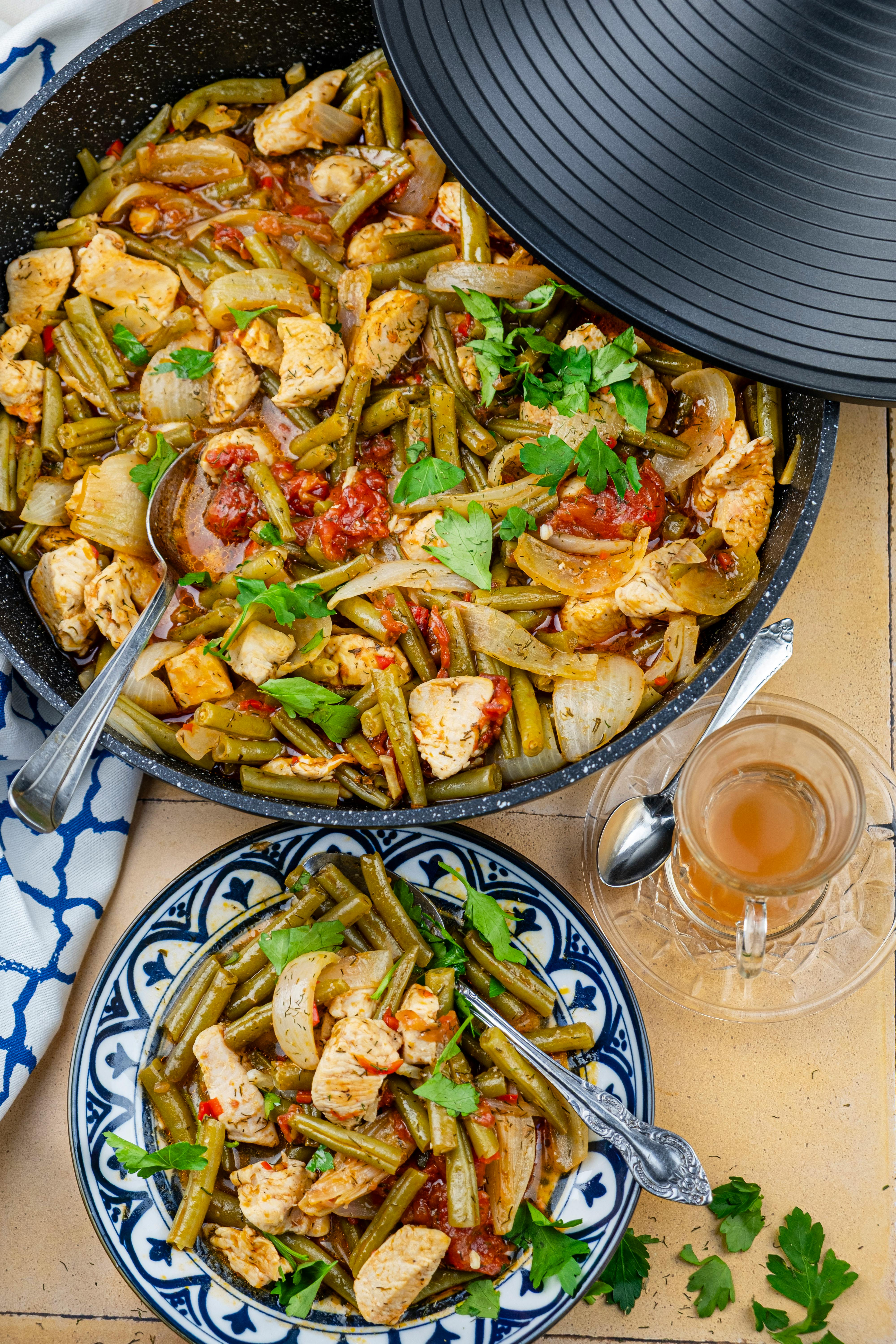
Photo: Elsa silva / Pexels
Tunisian
Kafteji
The diets react (see scores below)
Common Ingredients
- eggs
- potatoes
- peppers
- tomato
- zucchini
- harissa
- garlic
- olive oil
Specific recipes may vary.
Incompatible with 4 of 11 diets
Diet Ratings
Kafteji is a Tunisian fried vegetable and egg dish that is fundamentally incompatible with ketogenic diets due to potatoes as a core ingredient. A standard serving of potatoes contributes roughly 15-20g of net carbs per 100g, making it extremely easy to exceed the daily keto carb limit (20-50g) with just one serving of this dish. The remaining ingredients are largely keto-friendly — eggs, peppers, zucchini, tomato, harissa, garlic, and olive oil are all low-carb or keto-approved — but the potatoes are a dealbreaker. Potatoes are a starchy vegetable explicitly excluded from ketogenic diets. Removing potatoes would fundamentally change the dish's character and it would no longer be authentic Kafteji.
Kafteji is a Tunisian dish that traditionally includes eggs as the primary protein, mixed with fried or roasted vegetables. Eggs are an animal product (derived from hens) and are explicitly excluded from a vegan diet. While all other ingredients — potatoes, peppers, tomato, zucchini, harissa, garlic, and olive oil — are fully plant-based and vegan-compliant, the eggs make this dish incompatible with veganism. A vegan version could theoretically be made by omitting the eggs or substituting with a plant-based egg alternative such as tofu or chickpea batter, but the traditional dish as described cannot be approved.
Kafteji is a Tunisian dish of fried vegetables and eggs, which is largely paleo-friendly. Eggs, peppers, tomato, zucchini, garlic, and olive oil are all clearly approved paleo ingredients. Harissa is typically made from chili peppers, garlic, olive oil, and spices — paleo-compliant in its traditional form, though commercial versions may contain salt or preservatives. The main issue is white potatoes, which occupy a gray zone in the paleo community. Cordain's original Paleo Diet discourages white potatoes due to their glycemic index and glycoalkaloid content, but many modern paleo practitioners and protocols (Mark Sisson, Whole30) accept them as whole, unprocessed tubers. The dish scores as caution primarily due to the debated status of white potatoes and the possibility that commercial harissa contains added salt or non-paleo additives.
Strict Cordain-school paleo excludes white potatoes due to high glycemic load and antinutrient content (glycoalkaloids). If harissa is store-bought, it frequently contains added salt and sometimes preservatives, which would push this dish further toward avoid in the strictest interpretation.
Kafteji is a traditional Tunisian dish that aligns well with Mediterranean diet principles. The base is predominantly vegetables — potatoes, peppers, tomato, zucchini — all fried or sautéed in olive oil, which is the canonical Mediterranean fat. Eggs serve as the protein source, which falls within the 'moderate' category (acceptable daily or a few times per week). Harissa and garlic add flavor without compromising nutritional quality. The dish is whole, minimally processed, and plant-forward with eggs as a secondary element. The main considerations are the quantity of olive oil used in frying (which can be substantial in traditional preparation) and the eggs, which shift this from a pure 'approve' to a high-end moderate approval.
Some modern Mediterranean diet clinical guidelines place eggs at 'caution' due to cholesterol concerns and recommend limiting to 3-4 per week; if this dish is eaten frequently with generous egg portions, stricter interpretations would rate it lower. Traditional Tunisian and broader North African Mediterranean practice, however, embraces egg-and-vegetable dishes like kafteji as wholesome everyday fare.
Kafteji is a Tunisian vegetable-and-egg dish that is overwhelmingly plant-based. While eggs are carnivore-approved, they are a minor component here. The dish is dominated by potatoes, peppers, tomato, zucchini, harissa, garlic, and olive oil — all strictly excluded plant foods. Harissa is a plant-based chili paste, garlic is a vegetable, and olive oil is a plant-derived fat. There is virtually nothing salvageable from a carnivore perspective beyond the eggs themselves.
Kafteji is a Tunisian dish of fried vegetables and eggs, and its core ingredients (eggs, potatoes, peppers, tomato, zucchini, garlic, olive oil) are all Whole30-compliant whole foods. The main concern is harissa, which is technically compliant when made from chili peppers, garlic, olive oil, and spices — but commercial harissa pastes frequently contain added sugar, preservatives, or other non-compliant additives. Label-reading is essential if using store-bought harissa. Additionally, traditional kafteji involves deep-frying the vegetables, which is allowed on Whole30 (using compliant oils) but may test the spirit of the program for some practitioners. Assuming compliant harissa and cooking oil, this dish is otherwise straightforwardly approved.
Melissa Urban and official Whole30 guidelines permit all the core ingredients here, so the dish itself is not contested. However, community debate centers on commercial harissa: many popular brands contain added sugar or non-compliant ingredients, so practitioners are divided on whether store-bought harissa can reliably be considered compliant without careful vetting.
Kafteji contains two significant high-FODMAP ingredients that make it unsuitable during the elimination phase. Garlic is one of the highest-FODMAP foods tested by Monash University, containing significant fructans even in very small quantities — there is no safe serving size during elimination. Harissa, a North African chili paste, virtually always contains garlic as a primary ingredient, compounding the fructan load. Eggs, potatoes, peppers, zucchini (at moderate portions), tomato, and olive oil are all low-FODMAP and would otherwise be fine. However, the combination of whole garlic cloves and garlic-containing harissa makes this dish a clear avoid during the strict elimination phase. A low-FODMAP adaptation would require replacing garlic with garlic-infused oil and sourcing or making a garlic-free harissa.
Kafteji is a Tunisian dish built on a strong DASH-friendly foundation: vegetables (peppers, tomatoes, zucchini, potatoes) provide potassium, fiber, magnesium, and antioxidants, while olive oil aligns with DASH's emphasis on healthy unsaturated fats and garlic contributes beneficial phytochemicals. Eggs as the primary protein are acceptable in moderation under most current DASH-aligned interpretations. The main concerns are (1) harissa, which can be moderately high in sodium depending on preparation and quantity used — commercially prepared harissa can add significant sodium; (2) the frying method traditionally used in kafteji, which increases total fat and calorie load beyond what DASH portion guidance favors; and (3) egg yolk cholesterol, which remains a minor concern for some conservative DASH practitioners. If prepared by roasting or grilling the vegetables and using harissa sparingly (or a low-sodium homemade version), the dish scores closer to an 'approve.' As traditionally deep-fried, it warrants caution.
NIH DASH guidelines specifically limit saturated fat and high-sodium condiments and do not distinguish between cooking methods, which would flag traditional fried kafteji more firmly. However, updated clinical interpretations note that olive oil–based frying adds primarily monounsaturated fat, and some DASH-oriented dietitians consider lightly pan-fried vegetable-egg dishes acceptable if sodium from condiments like harissa is controlled.
Kafteji is a Tunisian dish of fried vegetables (potatoes, peppers, tomatoes, zucchini) mixed with eggs, seasoned with harissa and garlic, and cooked in olive oil. Several Zone-favorable elements are present: eggs provide lean protein, olive oil is an ideal monounsaturated fat source, and the vegetable base (peppers, tomatoes, zucchini) offers low-glycemic, polyphenol-rich carbohydrates. Harissa and garlic also align well with Zone's anti-inflammatory emphasis. The primary concern is potatoes, which are a high-glycemic carbohydrate explicitly flagged as unfavorable in Zone methodology. Potatoes can spike blood glucose and disrupt the eicosanoid balance Sears seeks to maintain. Additionally, traditional kafteji uses a generous amount of frying oil, which can push fat content well above the Zone's 30% fat target for a meal. With careful portioning — reducing potato quantity significantly, controlling oil use, and ensuring egg quantity delivers ~25g protein — kafteji can be adapted toward Zone compliance. However, as typically prepared, the potato-dominant carb profile and high oil volume make it a challenging fit without modification.
Some Zone practitioners and Sears' later writings place less absolute emphasis on eliminating high-glycemic foods when overall meal balance and anti-inflammatory ingredients (olive oil, polyphenols from peppers and tomatoes, omega-3-supportive context) are strong. In this view, a small potato portion within a vegetable-rich, egg-based dish with olive oil could be acceptable at the margins of Zone compliance, bumping the score closer to 6.
Kafteji is a Tunisian fried vegetable and egg dish with a strongly favorable anti-inflammatory ingredient profile overall. Olive oil is the cooking fat — a cornerstone of anti-inflammatory eating, rich in oleocanthal and monounsaturated fats. The vegetable base (peppers, tomatoes, zucchini, potatoes) delivers antioxidants including vitamin C, lycopene, carotenoids, and quercetin. Garlic provides allicin with well-documented anti-inflammatory effects. Harissa contributes capsaicin from chili peppers, a recognized anti-inflammatory compound, along with garlic and spices. Eggs are a moderate-confidence ingredient — they provide anti-inflammatory choline and selenium but contain arachidonic acid, which some protocols flag. The main caveats are: (1) traditional kafteji often involves deep-frying the vegetables, which increases oil absorption and can degrade olive oil's beneficial compounds at high heat; if pan-fried or shallow-fried at moderate temperatures, the profile is more favorable; (2) potatoes and peppers are nightshades, which mainstream anti-inflammatory nutrition endorses for their antioxidants, though AIP protocols restrict them. On balance, the dish is vegetable-forward, uses olive oil, includes potent anti-inflammatory spices, and avoids processed ingredients — placing it firmly in the approve range for the general population.
AIP (Autoimmune Protocol) advocates, including Dr. Tom O'Bryan, would flag this dish for nightshade vegetables (potatoes, peppers, tomatoes) due to solanine and lectins that may trigger inflammation in autoimmune-sensitive individuals. Additionally, if deep-fried, some anti-inflammatory practitioners would caution that high-heat cooking oxidizes olive oil's polyphenols and increases acrylamide in potatoes, shifting the profile toward neutral.
Kafteji is a Tunisian dish of chopped and fried vegetables (potatoes, peppers, tomatoes, zucchini) mixed with eggs, seasoned with harissa and garlic, cooked in olive oil. The egg base provides moderate protein (roughly 12-18g per serving depending on egg count), and the vegetable medley contributes meaningful fiber and micronutrients. However, traditional preparation involves deep- or shallow-frying the vegetables in a significant amount of oil before combining with eggs, which substantially raises the fat content and caloric density per serving — directly conflicting with the low-fat rule and the GI tolerability concern around high-fat meals on GLP-1s. The harissa component introduces meaningful spice (chili peppers, often quite hot), which can worsen reflux, nausea, and GI discomfort — all already elevated risks on GLP-1 medications. Potatoes are a refined-starch-adjacent carbohydrate that offer less fiber than whole grains or legumes. On the positive side, eggs are a high-quality, easy-to-digest protein source, and the vegetables add volume, hydration, and fiber. A home-modified version — baked or lightly sautéed vegetables, minimal olive oil, harissa used sparingly — would score closer to 6-7. Traditional restaurant preparation scores lower.
Some GLP-1-focused dietitians would argue that olive oil, even in moderate-to-generous amounts, is a heart-healthy unsaturated fat and acceptable in a nutrient-dense vegetable-and-egg dish, particularly if portion size is kept small. Others would flag the frying method and harissa heat level as likely GI triggers that outweigh the protein and vegetable benefits, especially in earlier weeks of GLP-1 therapy when side effects are most pronounced.
*See how scores were generated at our methodology page.
Nutritional profile
Six traits that cut across every diet.
Fiber & Plants
How much whole-plant food and fiber it delivers.
Healthy Fats
The quality of its fats (unsaturated, omega-3).
Whole / Unprocessed
How close it is to its natural, unprocessed form.
Gut Gentle
How easy it is on digestion (low FODMAP, few irritants).
Low Glycemic
How little it spikes your blood sugar.
Protein Density
How much protein it packs per calorie.
Controversy Index
Higher controversy = more disagreement between diets.
Diet-Specific Tips
 Paleo — 5/10
View tips
- Eggs are fully paleo-approved
- Olive oil is an accepted paleo fat
- Peppers, tomato, zucchini, and garlic are unprocessed paleo vegetables
- White potatoes are debated — excluded by Cordain, accepted by Sisson and Whole30
- Traditional harissa is paleo-compliant; commercial versions may contain added salt or preservatives
- No grains, legumes, dairy, or seed oils present
 Mediterranean — 8/10
View tips
- Predominantly vegetable-based ingredients (peppers, tomato, zucchini, potatoes)
- Extra virgin olive oil as the primary cooking fat — core Mediterranean principle
- Eggs as protein are acceptable in moderation per Mediterranean guidelines
- Harissa and garlic are traditional, minimally processed flavor enhancers
- No red meat, refined grains, or added sugars
- Deep-frying method (traditional preparation) may increase oil absorption beyond typical Mediterranean cooking style
 Whole30 — 6/10
View tips
- Eggs, potatoes, peppers, tomato, zucchini, garlic, and olive oil are all Whole30-approved whole foods
- Harissa is the critical ingredient to verify — homemade or certain store-bought versions with compliant ingredients only are acceptable
- Commercial harissa often contains added sugar or other non-compliant additives requiring careful label reading
- Deep-frying technique is allowed on Whole30 when using compliant oils such as olive oil
- No grains, dairy, legumes, or other excluded categories present in the base recipe
 DASH — 6/10
View tips
- Rich vegetable base (peppers, tomatoes, zucchini, potatoes) provides DASH-critical nutrients: potassium, fiber, magnesium
- Olive oil is a DASH-approved fat source, but frying increases total caloric and fat load
- Harissa adds variable sodium — commercial versions can be high-sodium, conflicting with DASH limits
- Eggs are acceptable in moderation under most current DASH-aligned guidance, though some conservative practitioners still limit whole egg frequency
- No red meat, no saturated-fat-heavy dairy, no added sugars — structurally aligned with DASH principles
- Preparation method (traditional deep-frying vs. roasting/grilling) significantly impacts DASH compatibility
 Zone — 5/10
View tips
- Potatoes are a high-glycemic unfavorable carbohydrate in Zone methodology
- Eggs are a lean, Zone-favorable protein source
- Olive oil is an ideal monounsaturated fat — strongly Zone-approved
- Peppers, tomatoes, and zucchini are low-glycemic, polyphenol-rich favorable carbs
- Harissa and garlic support the anti-inflammatory focus of the Zone
- Traditional preparation uses significant frying oil, risking excess fat calories beyond the 30% target
- Dish can be modified toward Zone compliance by reducing potatoes and controlling oil quantity
 Anti-Inflammatory — 8/10
View tips
- Olive oil as primary fat — rich in oleocanthal and MUFAs, anti-inflammatory cornerstone
- Colorful vegetable base (peppers, tomatoes, zucchini) provides antioxidants, lycopene, and carotenoids
- Harissa and garlic contribute capsaicin, allicin, and anti-inflammatory spice compounds
- Eggs: moderate profile — beneficial choline/selenium, but some arachidonic acid
- Potatoes and nightshades: broadly anti-inflammatory per mainstream guidance, debated in AIP context
- Cooking method matters: shallow/pan-frying in olive oil is preferable to deep-frying for preserving anti-inflammatory properties
- No processed ingredients, refined carbohydrates, added sugars, or seed oils
 GLP-1 Friendly — 5/10
View tips
- Moderate protein from eggs (~12-18g per serving), insufficient alone to meet 20-30g per meal target without augmentation
- Traditional frying method significantly raises fat content, increasing nausea and reflux risk on GLP-1s
- Harissa contains hot chili peppers — a known GLP-1 GI irritant that may worsen reflux and nausea
- Vegetable variety (zucchini, peppers, tomato) adds fiber, micronutrients, and hydration-supportive water content
- Olive oil is a preferred unsaturated fat but quantity in traditional preparation is high
- Potatoes are starchy with moderate glycemic impact and lower fiber density than legumes or whole grains
- Dish can be substantially improved for GLP-1 compatibility by baking vegetables and using harissa sparingly