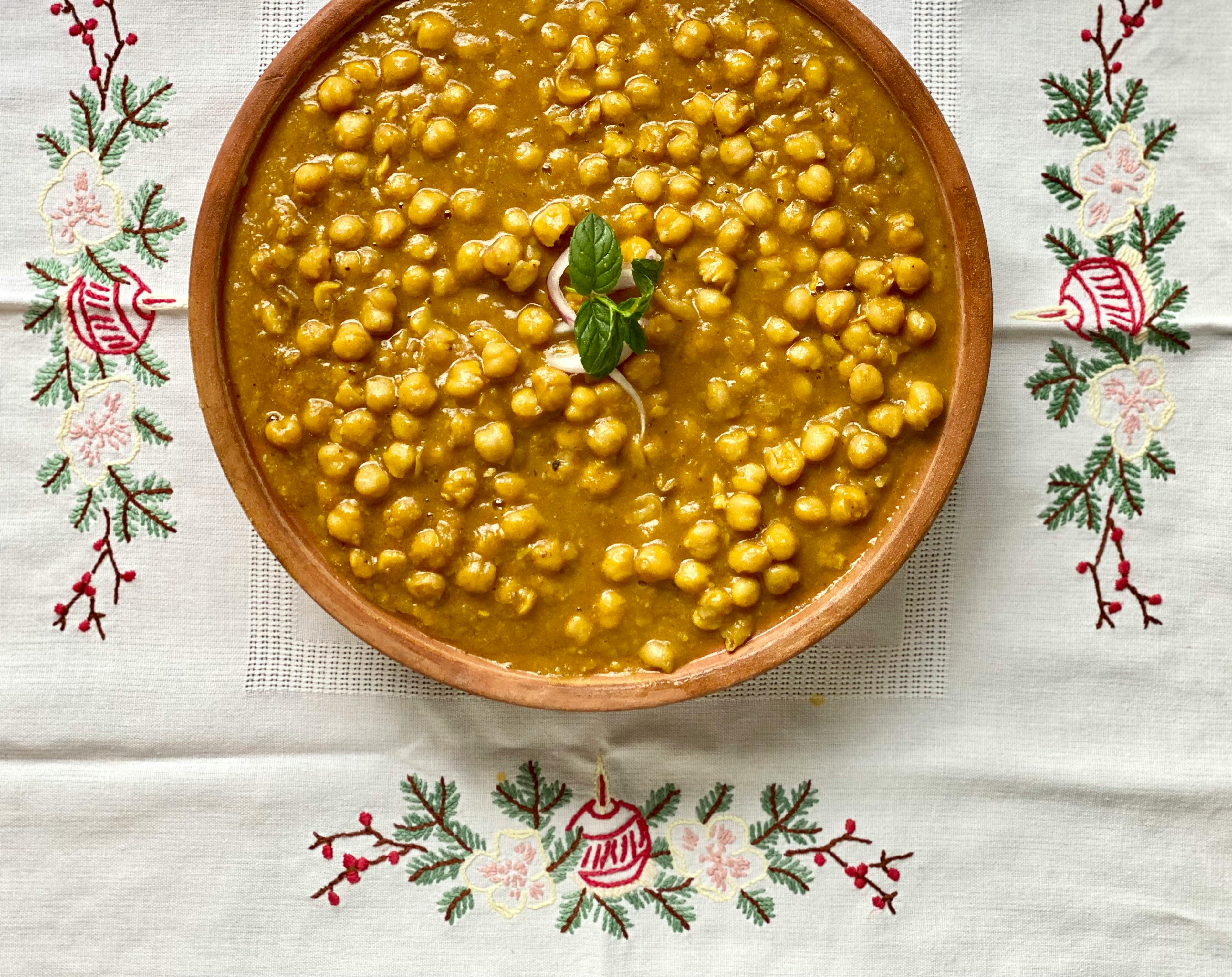
Photo: Muhammad Khawar Nazir / Pexels
The diets react (see scores below)
Common Ingredients
- chickpeas
- bread
- garlic
- cumin
- harissa
- olive oil
- egg
- lemon
Specific recipes may vary.
Incompatible with 6 of 11 diets
Diet Ratings
Lablabi is fundamentally incompatible with a ketogenic diet. The two primary ingredients — chickpeas and bread — are both high-carb foods that alone would demolish a daily keto carb budget. A single cup of chickpeas contains roughly 30-35g of net carbs, and the bread adds another significant carb load. Together they make this dish impossible to consume in any meaningful serving without breaking ketosis. The remaining ingredients (garlic, olive oil, egg, harissa, cumin, lemon) are keto-friendly, but they cannot offset the core carbohydrate problem.
Lablabi as traditionally prepared contains egg, which is a direct animal product and therefore not vegan. The base of the dish — chickpeas, bread, garlic, cumin, harissa, olive oil, and lemon — is entirely plant-based and would score highly on its own. However, the egg (typically a poached or soft-boiled egg added to the bowl) is a core ingredient of the classic recipe, making it non-vegan. The dish could easily be made vegan by simply omitting the egg, and the plant-based components are wholesome whole foods.
Lablabi is fundamentally incompatible with paleo principles. Its two primary components — chickpeas and bread — are both strictly excluded from the paleo diet. Chickpeas are legumes, explicitly banned due to their lectin and phytate content, and bread is a grain-based processed food, also firmly off-limits. While several ingredients are paleo-friendly (egg, olive oil, garlic, cumin, lemon, harissa assuming no non-paleo additives), the core structure of the dish cannot be salvaged. No paleo substitution of the base ingredients would result in anything resembling Lablabi — it would simply be a different dish entirely.
Lablabi is a traditional Tunisian chickpea soup that exemplifies Mediterranean diet principles. Chickpeas are a cornerstone legume providing plant-based protein and fiber. Olive oil is the primary fat, harissa adds antioxidant-rich chili peppers, garlic is a well-documented Mediterranean staple, cumin and lemon brighten the dish naturally, and the egg adds moderate animal protein. The primary concern is the bread, which in traditional preparation is day-old crusty bread (often sourdough or rustic loaf) that, while possibly made from refined flour, is used in modest amounts as a thickener/filler rather than a dietary base. Overall, this dish is plant-forward, legume-centered, and olive oil-dressed — a textbook Mediterranean meal.
Some modern Mediterranean diet guidelines would flag the use of refined white bread as a negative element, preferring whole-grain alternatives. Traditional Tunisian practice uses whatever stale bread is available, which historically may have been less refined, but contemporary versions often use white baguette-style bread that modern clinical guidelines would suggest limiting.
Lablabi is almost entirely plant-based and is fundamentally incompatible with the carnivore diet. The primary protein source is chickpeas, a legume explicitly excluded from carnivore. Bread (grain-based) is a hard exclusion. Garlic, cumin, harissa, olive oil, and lemon are all plant-derived ingredients — vegetables, spices, and plant oils are all forbidden. The only carnivore-compatible ingredient in the entire dish is the egg, which is a minor component used as a topping. There is no meaningful animal protein or fat forming the base of this dish, and the ingredient list reads as a catalog of carnivore exclusions.
Lablabi contains two major Whole30-excluded ingredients: chickpeas (legumes) and bread (grains). Chickpeas are a core legume explicitly excluded from the Whole30 program — unlike green beans or sugar snap peas, they receive no exception. Bread is a grain-based product and also falls under the 'no recreating baked goods/junk food' rule. The remaining ingredients — garlic, cumin, harissa (check for compliant version), olive oil, egg, and lemon — are generally Whole30-compatible, but the foundational components of this dish are non-compliant, making it impossible to serve in its traditional form on the program.
Lablabi contains multiple high-FODMAP ingredients that make it unsuitable during the elimination phase. Chickpeas are high in GOS (galacto-oligosaccharides) and are only low-FODMAP at very small portions (1/4 cup canned, drained per Monash), but as the primary protein and structural base of this soup, they would be consumed in far larger quantities. Garlic is one of the highest-FODMAP foods tested by Monash University, rich in fructans, and is a core flavoring ingredient here. Traditional bread used in lablabi is wheat-based, adding significant fructan load. These three ingredients alone — chickpeas in soup quantities, garlic, and wheat bread — would make this dish high-FODMAP for virtually any serving size. Harissa may also contain garlic and onion. The remaining ingredients (cumin, olive oil, egg, lemon) are low-FODMAP and not problematic.
Lablabi is a Tunisian chickpea soup that aligns well with many DASH principles: chickpeas are an excellent plant-based protein rich in fiber, potassium, and magnesium; olive oil is a DASH-approved unsaturated fat; lemon adds flavor without sodium; garlic and cumin are sodium-free flavor enhancers. However, several factors push this into 'caution' territory. Harissa, while made from peppers, is typically high in sodium (commercial preparations can contain 200-400mg per tablespoon). The bread used for dunking is often white bread (refined grain, not whole grain) and may add sodium. Eggs are moderately debated in DASH context. The dish as commonly prepared in restaurants or homes may use significant amounts of harissa and bread, elevating sodium and refined carbohydrate content. If prepared with low-sodium harissa or homemade harissa, whole grain bread, and portion-controlled olive oil, this dish could score as high as 8. The chickpea base is genuinely DASH-friendly and earns this dish a solid moderate rating.
NIH DASH guidelines strongly favor legumes like chickpeas as a core food group (4-5 servings/week), which could support an 'approve' rating for the chickpea base alone. However, updated clinical interpretation of the full dish must account for harissa's sodium load and refined bread, which are real concerns in standard preparation — some DASH clinicians would approve this dish if patients use homemade low-sodium harissa and whole grain bread.
Lablabi is a nutrient-dense Tunisian chickpea soup with several Zone-friendly elements but notable structural challenges. Chickpeas are a classic Zone protein-carb combo food: they provide both protein and carbohydrates simultaneously, which complicates block counting. They are moderate-glycemic (lower than bread or potatoes), rich in fiber, and acceptable as a 'unfavorable' carb source in Zone terminology. The egg adds lean protein and helps move the dish toward Zone protein targets. Olive oil is an ideal monounsaturated fat source — a Zone star ingredient. Harissa, garlic, cumin, and lemon contribute polyphenols and anti-inflammatory compounds Sears strongly endorses in his later writings. The primary Zone problem is the bread: it raises the glycemic load significantly and is a 'unfavorable' high-glycemic carbohydrate in Zone methodology. A traditional lablabi portion also skews heavily toward carbohydrate blocks, with insufficient lean protein to hit the 30% protein target without adding extra eggs or another protein source. To Zone-balance this dish: reduce or eliminate bread, increase eggs to 2-3, keep chickpea portions modest (roughly 1/3 cup cooked per block), and maintain the olive oil. With those modifications it becomes a reasonable Zone meal; as traditionally served it is carb-heavy and requires careful portioning.
Some Zone practitioners, particularly those following Sears' later anti-inflammatory framework (The OmegaRx Zone, The Mediterranean Zone), would view lablabi more favorably. Chickpeas have a genuinely low glycemic index (~28-36) and high fiber content, making their net carb impact modest per serving. The polyphenol density from harissa, garlic, cumin, and lemon aligns strongly with Sears' Mediterranean Zone evolution. These practitioners might score this dish higher (6-7) and treat the bread as a small unfavorable addition rather than a dealbreaker, especially if pita or sourdough bread is used in small quantities.
Lablabi is a Tunisian chickpea soup with a strongly anti-inflammatory ingredient profile. Chickpeas are an excellent source of plant-based protein, fiber, and polyphenols that support gut health and reduce inflammatory markers like CRP. Garlic contains allicin and organosulfur compounds with well-documented anti-inflammatory and immune-modulating effects. Cumin provides antioxidant flavonoids and has demonstrated anti-inflammatory activity in research. Harissa, built on chili peppers, delivers capsaicin — one of the most studied natural anti-inflammatory compounds — along with vitamin C and carotenoids. Olive oil (assuming extra virgin) provides oleocanthal, which inhibits COX enzymes similarly to ibuprofen, and is a cornerstone of anti-inflammatory eating. Lemon contributes vitamin C and flavonoids. The egg is a moderate ingredient under anti-inflammatory guidelines — it adds choline and selenium but contributes some arachidonic acid. The main limiting factor is the bread: if refined white bread (as traditionally used), it introduces refined carbohydrates that modestly blunt the dish's anti-inflammatory profile. Whole grain bread would substantially improve this. Overall, the dish is legume-forward, spice-rich, and olive oil-based — well aligned with anti-inflammatory principles.
The egg component draws some disagreement: sources like Dr. Weil's pyramid allow moderate egg consumption, but stricter anti-inflammatory and autoimmune protocol (AIP) practitioners flag arachidonic acid in yolks as potentially pro-inflammatory, particularly for individuals with autoimmune conditions. Additionally, the type of bread matters — refined white bread used in traditional lablabi would draw caution from anti-inflammatory practitioners emphasizing low glycemic load, while the rest of the dish remains solidly approved.
Lablabi is a nutrient-dense Tunisian chickpea soup with a strong GLP-1-friendly foundation. Chickpeas provide meaningful protein (~15g per cup) and excellent fiber (~12g per cup), directly supporting the two top priorities for GLP-1 patients. The egg adds high-quality complete protein and is easy to digest. Olive oil contributes heart-healthy unsaturated fat in typically moderate amounts. Lemon juice adds flavor with no caloric cost and supports hydration. The broth-based format is easy on the stomach and portion-friendly in small servings. However, two ingredients introduce meaningful concerns. Harissa is a concentrated chili paste that can worsen reflux, nausea, and GI irritation — side effects already common on GLP-1 medications — and traditional recipes use it assertively, not as a trace seasoning. The bread component (typically stale crusty bread soaked in the broth) adds refined carbohydrates with low protein density, reducing the nutrient-per-calorie ratio and potentially contributing to bloating. The dish scores well on fiber, protein quality, fat profile, and digestibility of the base, but the harissa and bread components are genuinely problematic for many GLP-1 patients and pull the score into caution territory. A modified version with harissa reduced or omitted and bread replaced with a small portion of whole grain or omitted entirely would score 7-8.
Some GLP-1-focused dietitians would approve lablabi as-is, arguing that chickpeas are an exceptional dual protein-fiber source and that spice tolerance is highly individual — patients who tolerated harissa before starting medication may continue to do so. Others would rate it more cautiously or as avoid on injection days or early in treatment when GI sensitivity is highest, particularly given that slowed gastric emptying combined with a spicy, high-fiber, high-volume meal creates compounded nausea risk.
*See how scores were generated at our methodology page.
Nutritional profile
Six traits that cut across every diet.
Fiber & Plants
How much whole-plant food and fiber it delivers.
Healthy Fats
The quality of its fats (unsaturated, omega-3).
Whole / Unprocessed
How close it is to its natural, unprocessed form.
Gut Gentle
How easy it is on digestion (low FODMAP, few irritants).
Low Glycemic
How little it spikes your blood sugar.
Protein Density
How much protein it packs per calorie.
Controversy Index
Higher controversy = more disagreement between diets.
Diet-Specific Tips
 Mediterranean — 9/10
View tips
- Chickpeas are a primary legume staple in the Mediterranean diet
- Extra virgin olive oil used as the main fat source
- Harissa and garlic provide antioxidant-rich flavor without added sugars
- Egg adds moderate, acceptable animal protein
- Bread component may be refined grain — a minor drawback
- Lemon juice adds vitamin C and brightness without processed additives
- Dish is plant-forward, low in saturated fat, and nutrient-dense
 DASH — 6/10
View tips
- Chickpeas are a DASH-approved legume: high in fiber, potassium, magnesium, and plant protein
- Olive oil is a DASH-recommended unsaturated fat
- Harissa is typically high in sodium, which conflicts with DASH sodium limits (<2,300mg/day)
- Bread is commonly white/refined grain; whole grain substitution would improve DASH alignment
- Egg is a moderate protein source; DASH allows lean protein but egg cholesterol is debated
- Garlic, cumin, and lemon are DASH-positive sodium-free flavor enhancers
- Overall sodium content of dish as commonly prepared may be moderate to high
- Low-sodium harissa or homemade preparation significantly improves DASH compatibility
 Zone — 5/10
View tips
- Chickpeas are dual protein-carb sources, complicating Zone block calculation but acceptable as low-GI carbs
- Bread is a 'unfavorable' high-glycemic carbohydrate in Zone methodology — raises glycemic load
- Egg provides lean Zone-approved protein but traditional serving may not supply enough protein blocks (25g target)
- Olive oil is an ideal Zone monounsaturated fat source
- Harissa, cumin, garlic, and lemon contribute anti-inflammatory polyphenols endorsed in Sears' later writings
- Traditional preparation is carbohydrate-heavy; Zone compliance requires portion control and possibly extra protein
- High fiber content from chickpeas reduces net carb impact per Zone block rules
 Anti-Inflammatory — 8/10
View tips
- Chickpeas: high-fiber legume with anti-inflammatory polyphenols and CRP-reducing properties
- Garlic: allicin and organosulfur compounds are potent anti-inflammatory agents
- Harissa/chili peppers: capsaicin with well-documented anti-inflammatory effects
- Cumin: antioxidant flavonoids support anti-inflammatory profile
- Olive oil: oleocanthal inhibits COX-1 and COX-2; cornerstone anti-inflammatory fat
- Lemon: vitamin C and citrus flavonoids add antioxidant value
- Egg: moderate ingredient — beneficial micronutrients but some arachidonic acid
- Bread: refined white bread (traditional) introduces refined carbs; whole grain preferred
 GLP-1 Friendly — 6/10
View tips
- Chickpeas provide strong dual protein (~15g/cup) and fiber (~12g/cup) profile — top two GLP-1 priorities
- Egg adds complete high-quality protein and is easy to digest
- Olive oil contributes unsaturated fat in moderate amounts — appropriate fat type
- Broth base supports hydration and easy digestibility — well-suited to GLP-1 slowed gastric emptying
- Harissa is a concentrated spicy ingredient that may worsen reflux, nausea, and GI irritation common on GLP-1 medications
- Bread component is typically refined grain, adds empty carbohydrate calories with low protein density
- High fiber content is beneficial long-term but could contribute to bloating in sensitive patients
- Dish is portion-friendly and satisfying in small servings — well-suited to reduced GLP-1 appetite
- Modified version with harissa minimized and bread swapped or omitted would be a strong approve