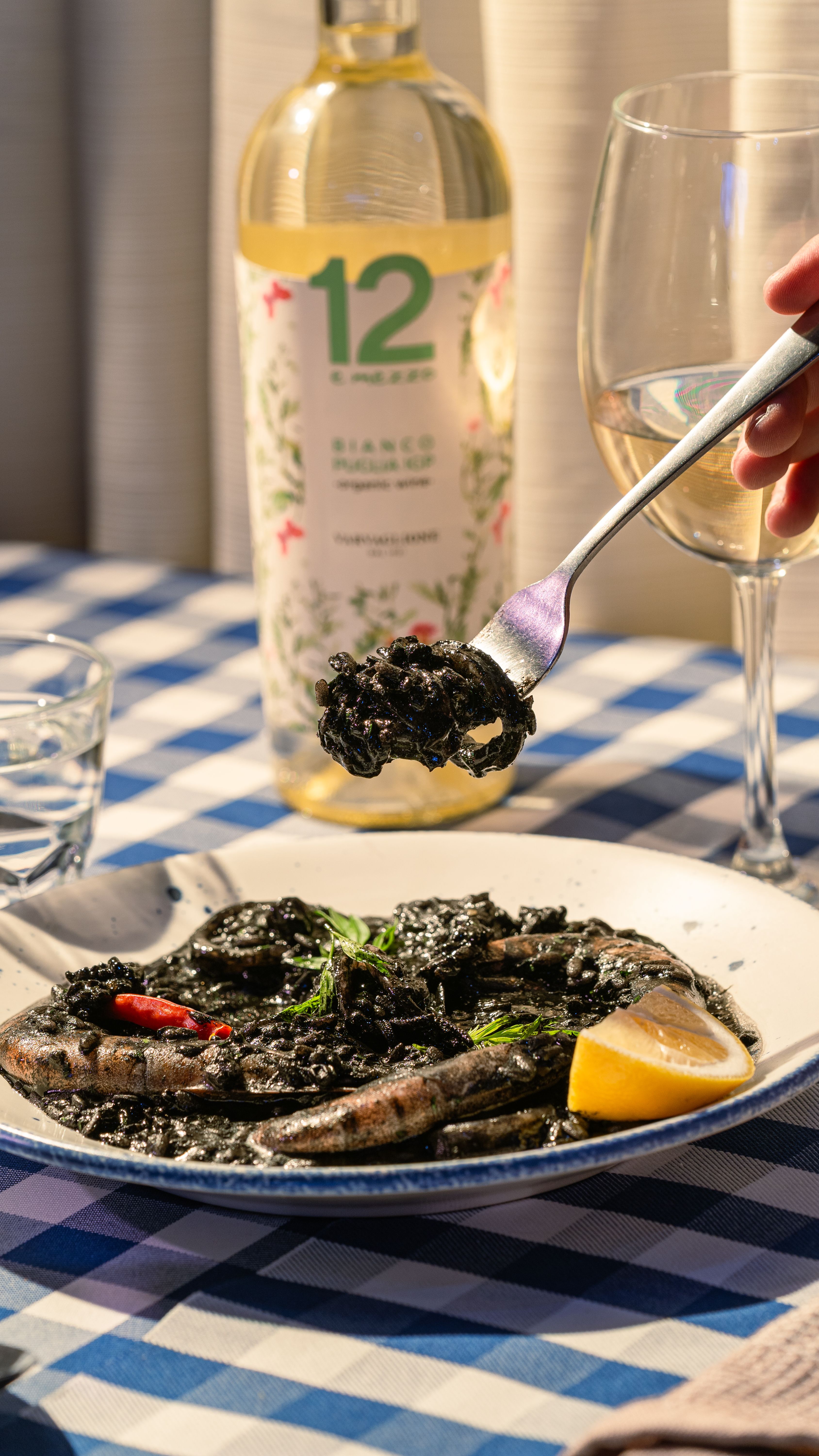
Photo: Willians Huerta / Pexels
Tunisian
Mloukhia
The diets react (see scores below)
Common Ingredients
- jute leaf powder
- beef
- garlic
- olive oil
- coriander
- bay leaf
- tomato paste
Specific recipes may vary.
Incompatible with 3 of 11 diets
Diet Ratings
Mloukhia is a Tunisian stew built around jute leaf powder (dried molokhia/mulukhiyah), beef, olive oil, garlic, and tomato paste. Most ingredients are keto-friendly: beef provides quality protein and fat, olive oil is excellent for keto, and garlic/spices add negligible carbs. The two items requiring attention are jute leaf powder and tomato paste. Dried jute leaf powder is high in fiber, but concentrated powders can carry meaningful net carbs per serving (roughly 3-5g net carbs per tablespoon used in quantity). Tomato paste is carb-dense (~10-12g net carbs per 2 tbsp), and Mloukhia traditionally uses a moderate amount. Together, a standard serving could push 8-15g net carbs depending on portion size. This is consumable within a keto framework with careful portioning — smaller amounts of tomato paste and moderate powder use can keep a serving under 10g net carbs — but it requires mindful tracking rather than free consumption.
Some stricter keto and carnivore-adjacent practitioners flag any concentrated plant powder as unpredictable in net-carb load and would exclude this dish entirely, while liberal 'lazy keto' followers comfortable with up to 50g daily carbs may treat a standard serving as fully acceptable without modification.
Mloukhia contains beef as its primary protein, which is an animal product and therefore incompatible with a vegan diet. All other ingredients (jute leaf powder, garlic, olive oil, coriander, bay leaf, tomato paste) are fully plant-based, but the presence of beef makes this dish non-vegan. A vegan version could theoretically be made by substituting the beef with a plant-based protein such as chickpeas or lentils.
Mloukhia (Tunisian jute leaf stew) is largely paleo-compatible. Beef is a cornerstone paleo protein. Olive oil is a preferred paleo fat. Garlic, coriander, and bay leaf are all approved herbs and spices. Tomato paste is minimally processed and acceptable in paleo (though some strict interpretations flag added salt or citric acid in commercial versions). The key ingredient — jute leaf powder (dried and ground Corchorus leaves) — is simply a dried vegetable/leaf, analogous to other dried greens, and is paleo-appropriate in principle. The main uncertainty is the commercial processing of jute leaf into powder form and tomato paste, which introduces mild processing concerns, but the ingredients themselves are all ancestrally available whole foods with no grains, legumes, dairy, or seed oils present.
Strict paleo purists may flag commercial tomato paste for potential additives (salt, citric acid) and question whether dried/powdered jute leaf constitutes a processed food rather than a whole food — those following a Cordain-school approach would recommend fresh jute leaves and home-made tomato purée to stay fully compliant.
Mloukhia is a traditional Tunisian stew featuring jute leaf powder (molokhia), which is a nutritious leafy green rich in fiber and micronutrients — strongly aligned with Mediterranean principles. The dish uses extra virgin olive oil, garlic, and aromatic spices, all Mediterranean staples. However, the primary protein is beef, which the Mediterranean diet limits to a few times per month. The tomato paste and whole spices are compatible. The overall dish is a whole, minimally processed, vegetable-forward stew, but the beef component prevents a full approval under strict Mediterranean guidelines.
Traditional North African and Levantine Mediterranean cuisines have long incorporated small amounts of beef or lamb in stews as a flavoring agent rather than a main protein component. If the beef is used sparingly — as is common in traditional Tunisian preparation — some Mediterranean diet interpretations rooted in regional culinary heritage would consider this acceptable as an occasional dish, especially given the dominant role of the nutritious jute leaf.
Mloukhia is heavily incompatible with the carnivore diet. While it contains beef as the primary protein, the dish is defined by jute leaf powder (molokhia/mulukhiyah), which is a plant-derived ingredient and the central component of the dish. Additional plant-based ingredients include garlic, olive oil (plant oil), coriander (a plant spice), bay leaf (plant herb), and tomato paste (plant-derived). The only carnivore-compliant ingredient is the beef itself. This dish is essentially a plant-based stew with beef added — the majority of its ingredients and its defining flavor profile are entirely plant-derived, making it a clear avoid under any tier of the carnivore diet.
Mloukhia (also known as mulukhiyah) is a Tunisian stew made from dried jute leaf powder, beef, and aromatic seasonings. Every ingredient in this dish is fully Whole30 compliant. Jute leaf powder is simply dried and ground leaves — a whole plant food with no excluded additives. Beef is an approved protein, olive oil is an approved fat, and garlic, coriander, and bay leaf are all permitted herbs and spices. Tomato paste is typically just concentrated tomatoes, which is compliant (though label-reading is advised to confirm no added sugar or non-compliant additives in the specific brand used). This is a whole-food, savory stew with no grains, legumes, dairy, or other excluded ingredients.
Mloukhia contains two significant FODMAP concerns. First and most critically, garlic is a high-FODMAP ingredient (high in fructans) and is a key aromatic in this dish — it is not used in trace amounts but as a primary flavoring. Second, jute leaf powder (dried mloukhia/mulukhiyah) has not been formally tested by Monash University, making its FODMAP status uncertain; however, concentrated leaf powders can be high in fructans and other fermentable carbohydrates. Tomato paste can also become high-FODMAP at larger quantities (high fructose at >2 tablespoons). Coriander and bay leaf are used in small amounts and are generally low-FODMAP as spices. Beef and olive oil are low-FODMAP. The garlic alone makes this dish a clear 'avoid' during the elimination phase, and the uncertainty around jute leaf powder compounds the concern. Garlic-infused oil could theoretically substitute for garlic to reduce FODMAP load, but the traditional recipe uses garlic cloves directly.
Monash University has not tested jute leaf (mloukhia) powder, so its exact FODMAP content is unknown — some practitioners may consider it potentially tolerable in small amounts, but the lack of data combined with the concentrated powder form warrants caution. The garlic issue is unambiguous and would make this dish high-FODMAP regardless of the jute leaf uncertainty.
Mloukhia is a Tunisian slow-cooked stew built around jute leaf powder (molokhia), beef, olive oil, garlic, coriander, bay leaf, and tomato paste. Several elements align well with DASH principles: jute leaf is rich in potassium, calcium, magnesium, and fiber — nutrients DASH actively promotes. Olive oil is a preferred DASH fat. Garlic, coriander, bay leaf, and tomato paste add flavor without relying heavily on salt, which is DASH-friendly. However, beef is a red meat, which DASH limits in favor of poultry, fish, beans, or nuts. The cut and amount of beef matter significantly — lean cuts like round or sirloin in modest portions (3 oz) are more acceptable, while fatty cuts raise saturated fat concerns. Traditional Mloukhia often uses fatty or tougher cuts cooked low-and-slow, which can increase saturated fat intake. Tomato paste can carry moderate sodium depending on the brand (standard paste ~150–200mg per 2 tbsp). The dish is not inherently high-sodium if prepared without added salt, but traditional preparations may include salt. On balance, the dish has strong DASH-positive ingredients but is pulled to caution by red meat use and preparation-dependent sodium and fat levels.
NIH DASH guidelines explicitly limit red meat due to saturated fat content and favor lean poultry and fish; however, updated clinical interpretations note that lean red meat in modest portions (≤3 oz, 1–2x/week) can fit within a DASH-style pattern, and the jute leaf base of this dish provides exceptional micronutrient density that partially offsets concerns.
Mloukhia is a Tunisian stew featuring jute leaf powder (molokhia), beef, garlic, olive oil, coriander, bay leaf, and tomato paste. From a Zone perspective, this dish has several favorable elements but also some concerns. Jute leaf powder is nutrient-dense and low-glycemic, rich in polyphenols and fiber — a positive carb contribution. Olive oil is the ideal Zone fat (monounsaturated). Garlic, coriander, and bay leaf add polyphenols with negligible macro impact. Tomato paste contributes low-glycemic carbohydrates and lycopene. The main concern is beef: the Zone favors lean protein, and traditional Mloukhia often uses fattier cuts of beef that elevate saturated fat content beyond Zone ideals. If lean beef (e.g., sirloin, round) is used and portioned to approximately 3 oz (one Zone protein serving of ~21g protein), the dish can approximate Zone ratios reasonably well. However, fatty beef cuts would push saturated fat too high and distort the 30% fat target toward the wrong fat profile. The dish as traditionally prepared also tends to be protein-and-fat heavy without a strong carbohydrate balance unless served alongside a low-GI carb source (like a small portion of whole grain bread or extra vegetables). A Zone practitioner would need to adjust beef cut leanness and serving size carefully.
Some Zone practitioners may rate this higher (score 7) if lean beef is used, noting that the jute leaf, olive oil, and spice combination is actually a near-ideal Zone building block — low-GI carbs, monounsaturated fat, lean protein — and that beef's saturated fat concern has softened in Sears' later anti-inflammatory writing where he acknowledges modest saturated fat is acceptable in the context of an overall anti-inflammatory diet with adequate omega-3 intake.
Mloukhia is a traditional Tunisian stew built on jute leaf powder (molokhia/mulukhiyah), beef, olive oil, garlic, coriander, bay leaf, and tomato paste. The dish has a genuinely mixed anti-inflammatory profile. On the positive side, jute leaves are nutrient-dense and contain notable antioxidants, vitamins A, C, and E, calcium, and some omega-3 fatty acids — limited research suggests anti-inflammatory and antioxidant activity. Extra virgin olive oil is a cornerstone anti-inflammatory fat (oleocanthal). Garlic, coriander, and bay leaf all carry meaningful anti-inflammatory polyphenols and flavonoids. Tomato paste provides concentrated lycopene, a potent carotenoid. On the negative side, beef is classified as a food to limit in anti-inflammatory frameworks due to saturated fat content and arachidonic acid, which can promote inflammatory signaling. The overall dish quality depends heavily on beef cut and fat content — a lean cut would perform better than a fatty one, but Tunisian Mloukhia traditionally uses fatty cuts for flavor and body, which increases saturated fat load. The dish is not processed, contains no refined carbohydrates or sugars, and the spice and vegetable profile is generally favorable. The beef component prevents an 'approve' rating under standard anti-inflammatory guidelines.
Some anti-inflammatory practitioners, particularly those following Mediterranean or traditional food frameworks (which Dr. Weil's pyramid broadly aligns with), would view moderate red meat consumption in a dish rich with antioxidant herbs, olive oil, and nutrient-dense jute leaves as contextually acceptable — the overall dietary pattern matters more than any single ingredient. Conversely, stricter anti-inflammatory and autoimmune protocol frameworks (AIP, functional medicine practitioners like Dr. Mark Hyman) would flag beef as a clear concern, recommending substitution with fish or legumes.
Mloukhia is a Tunisian stew made from dried jute leaf powder (molokhia), beef, garlic, olive oil, coriander, bay leaf, and tomato paste. It has several GLP-1-friendly attributes: jute leaf powder is high in fiber and micronutrients (vitamins A, C, K, iron, calcium), and the dish provides meaningful protein from beef. Garlic, coriander, and tomato paste add micronutrient density with minimal caloric cost. Olive oil is a preferred unsaturated fat. However, the dish earns a caution rating primarily because beef is a fatty red meat — depending on the cut used, saturated fat content can be significant, which both conflicts with GLP-1 low-fat priorities and may worsen nausea or GI discomfort. Traditional Mloukhia is also a rich, slow-cooked stew with a thick, somewhat viscous texture from the jute powder; this heaviness and the olive oil quantity used can make it feel calorically dense and hard to digest in larger portions. The dish is portion-sensitive — a small serving with a lean beef cut (e.g., round or sirloin) and moderate olive oil is considerably more GLP-1-compatible than a traditional generous portion with fattier cuts.
Some GLP-1-focused dietitians would rate this higher, noting that jute leaf is an exceptional fiber and micronutrient source, beef provides complete protein, and the dish is home-cooked with no ultra-processed ingredients — making it far preferable to many Western convenience foods at the same score. Others would rate it lower, citing that fatty beef cuts and olive oil volume in traditional preparation make it too high in fat and too heavy on slowed gastric emptying, particularly in the early weeks on a GLP-1 medication.
*See how scores were generated at our methodology page.
Nutritional profile
Six traits that cut across every diet.
Fiber & Plants
How much whole-plant food and fiber it delivers.
Healthy Fats
The quality of its fats (unsaturated, omega-3).
Whole / Unprocessed
How close it is to its natural, unprocessed form.
Gut Gentle
How easy it is on digestion (low FODMAP, few irritants).
Low Glycemic
How little it spikes your blood sugar.
Protein Density
How much protein it packs per calorie.
Controversy Index
Higher controversy = more disagreement between diets.
Diet-Specific Tips
 Keto — 5/10
View tips
- Jute leaf powder is fiber-rich but concentrated; net carb content per serving needs tracking
- Tomato paste contributes significant net carbs (~10-12g per 2 tbsp) and should be minimized
- Beef and olive oil are strongly keto-compatible and form the caloric base
- Garlic, coriander, bay leaf add negligible net carbs
- Dish is portion-sensitive — smaller servings or reduced tomato paste keep it keto-viable
- No grains, sugars, or starchy vegetables present
 Paleo — 8/10
View tips
- Beef is a fully approved paleo protein
- Olive oil is a preferred paleo-compliant fat
- Jute leaf (Corchorus) is a natural leafy vegetable — paleo-appropriate
- Garlic, coriander, and bay leaf are approved herbs/spices
- Tomato paste is minimally processed but may contain added salt or preservatives in commercial form
- Powdered form of jute leaf raises mild processing concerns for strict paleo followers
- No grains, legumes, dairy, refined sugar, or seed oils present
 Mediterranean — 5/10
View tips
- Jute leaf (molokhia) is a highly nutritious green vegetable, strongly Mediterranean-approved
- Beef is the primary protein, which Mediterranean diet limits to a few times per month
- Extra virgin olive oil used as primary fat — fully aligned
- Garlic, coriander, bay leaf, and tomato paste are all Mediterranean-compatible aromatics
- Whole, minimally processed stew format is consistent with Mediterranean cooking traditions
- Traditional Tunisian dish with regional Mediterranean heritage
 Whole30 — 9/10
View tips
- Jute leaf powder is a whole plant food — fully compliant
- Beef is an approved Whole30 protein
- Olive oil is an approved natural fat
- Garlic, coriander, and bay leaf are all permitted spices/herbs
- Tomato paste is generally compliant — verify no added sugar on the label
- No grains, legumes, dairy, or other excluded ingredients present
 DASH — 5/10
View tips
- Red meat (beef) — DASH limits red meat; lean cut and small portions partially mitigate concern
- Jute leaf powder — rich in potassium, magnesium, calcium, and fiber, strongly DASH-aligned
- Olive oil — preferred unsaturated fat in DASH
- No inherently high-sodium ingredients if prepared without added salt; tomato paste brand matters
- Preparation-dependent: fatty beef cuts or liberal salt use would lower score further
- Garlic and spices provide flavor without sodium — DASH-compatible cooking approach
 Zone — 6/10
View tips
- Jute leaf powder is low-glycemic, high-fiber, and polyphenol-rich — favorable Zone carb
- Olive oil is ideal monounsaturated fat for Zone compliance
- Beef protein quality depends heavily on cut leanness; fatty cuts raise saturated fat concerns
- Tomato paste adds low-GI carbs and lycopene (anti-inflammatory)
- Dish is carbohydrate-light and may need supplemental low-GI carbs to achieve 40/30/30 ratio
- Portion control of beef to ~3 oz is critical for Zone block compliance
- No high-glycemic ingredients present, which is a positive
 Anti-Inflammatory — 5/10
View tips
- Beef (primary protein): pro-inflammatory due to saturated fat and arachidonic acid — a food to limit in anti-inflammatory diets
- Jute leaf powder (molokhia): antioxidant-rich, contains vitamins A/C/E and some omega-3s, emerging anti-inflammatory data
- Extra virgin olive oil: strongly anti-inflammatory (oleocanthal, monounsaturated fats)
- Garlic: well-established anti-inflammatory and antimicrobial properties (allicin, quercetin)
- Coriander and bay leaf: provide polyphenols and flavonoids with anti-inflammatory activity
- Tomato paste: concentrated lycopene, a potent carotenoid antioxidant
- No refined carbohydrates, added sugars, or processed ingredients
- Overall dish is a traditional whole-food preparation with a mixed but not strongly pro-inflammatory profile
 GLP-1 Friendly — 5/10
View tips
- Beef is a fatty red meat — cut selection critically affects saturated fat content and GLP-1 tolerability
- Jute leaf powder is rich in fiber and micronutrients, supporting digestion and nutrient density
- Olive oil is a preferred unsaturated fat but quantity used in traditional preparation may be high
- Thick stew texture from jute powder may be harder to digest; portion sensitivity is high
- No ultra-processed ingredients, no added sugar, no fried components — whole food base
- Garlic and coriander are well-tolerated spices with no GLP-1 side effect concerns
- Protein content is meaningful but depends on beef-to-sauce ratio in the serving