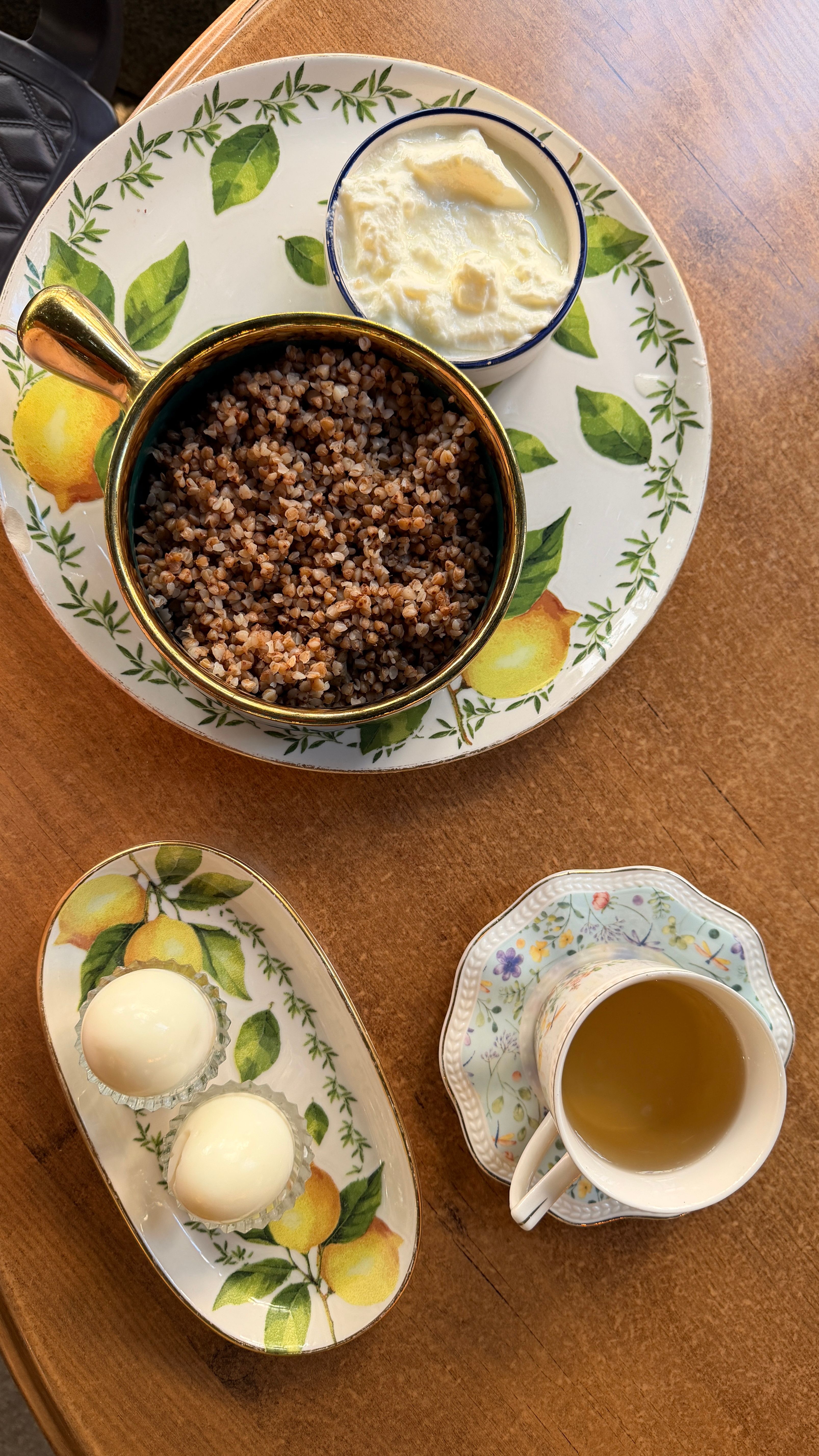
Photo: Peggy Anke / Pexels
The diets react (see scores below)
Common Ingredients
- wheat berries
- poppy seeds
- honey
- walnuts
- raisins
- water
Specific recipes may vary.
Incompatible with 5 of 11 diets
Diet Ratings
Kutia is fundamentally incompatible with a ketogenic diet. The dish is built on wheat berries, a whole grain with extremely high net carbs (roughly 40-45g net carbs per 100g cooked), which alone would exceed the entire daily keto carb limit in a single serving. This is compounded by honey (pure sugar, ~82g carbs/100g) and raisins (concentrated fruit sugar, ~75g net carbs/100g). While walnuts and poppy seeds are keto-friendly ingredients, they are entirely overwhelmed by the carb-dense base. There is no realistic portion size that would make this dish compatible with ketosis.
Kutia is a traditional Ukrainian ceremonial dish made entirely from plant-derived ingredients: wheat berries, poppy seeds, walnuts, raisins, and water are all unambiguously vegan. However, honey is a standard and central ingredient in this dish, and honey is excluded by most major vegan organizations (Vegan Society, PETA) as an animal-derived product. The presence of honey drops the score and triggers a 'caution' rating rather than 'approve.' If honey were substituted with maple syrup or agave, the dish would score 8-9 as a wholesome, minimally processed whole-food plant-based preparation. The confidence is 'medium' because the honey debate is a well-known area of divergence within the vegan community.
A minority of plant-based eaters argue that honey production does not involve the suffering or slaughter of sentient animals in a morally meaningful way, and therefore include it in their diet. Some whole-food plant-based health advocates (distinct from ethical vegans) also permit honey, viewing it as a natural, minimally processed food. Strict ethical vegans and Vegan Society-aligned vegans firmly reject this position, classifying bees as animals and honey as their product.
Kutia is fundamentally incompatible with the paleo diet. The primary ingredient, wheat berries, is a grain — one of the most clearly excluded food categories in paleo. Wheat is a staple of Neolithic agriculture and was not available to Paleolithic hunter-gatherers. While several other ingredients (walnuts, honey, raisins, poppy seeds) are paleo-compatible or in the caution zone, the wheat berries alone disqualify this dish entirely. There is no version of Kutia that removes wheat berries and remains Kutia.
Kutia is a traditional Ukrainian dish made entirely from whole, plant-based ingredients that align well with Mediterranean diet principles. Wheat berries are a whole grain, walnuts and poppy seeds are nutrient-dense nuts/seeds, and raisins provide natural fruit sugars. Honey is used as a natural sweetener in modest amounts as a traditional binding agent. All ingredients are minimally processed and plant-forward, making this a strong fit for the Mediterranean dietary pattern. The dish lacks olive oil as a fat source, but the healthy fats come from walnuts and poppy seeds, which is acceptable.
Some modern Mediterranean diet guidelines flag honey as an added sugar and would prefer unsweetened whole grain preparations; the sweetness level of kutia can vary considerably by recipe, and versions with generous honey could push the sugar content beyond what stricter interpretations recommend.
Kutia is a traditional Ukrainian dish made entirely from plant-based ingredients. Wheat berries are a grain, poppy seeds and walnuts are seeds/nuts, raisins are dried fruit, and honey is the only ingredient with any animal connection. Every single component — wheat berries, poppy seeds, walnuts, and raisins — is strictly excluded from the carnivore diet. There are no animal products whatsoever in this dish. This is one of the clearest possible violations of carnivore principles, containing grains, seeds, nuts, and dried fruit simultaneously.
Kutia contains wheat berries, which are a grain and explicitly excluded on the Whole30 program. Grains of all kinds — including wheat in any form — are banned for the full 30 days. This single ingredient is enough to disqualify the dish entirely, regardless of the other ingredients (poppy seeds, honey, walnuts, raisins, and water are all individually compliant).
Kutia contains multiple high-FODMAP ingredients that make it unsuitable during the elimination phase. Wheat berries are the primary ingredient and are very high in fructans — the same FODMAP category that makes all wheat products problematic regardless of preparation method. Unlike sourdough bread where long fermentation can partially reduce fructans, whole wheat berries are cooked in water and undergo no fermentation, leaving fructan content largely intact. Honey is high in excess fructose (fructose:glucose ratio >1) and is explicitly listed as high-FODMAP by Monash. Raisins are high-FODMAP at typical serving sizes due to excess fructose and fructans concentrated through drying. Walnuts are low-FODMAP at a small serving (10 walnut halves) and are the least problematic ingredient here. Poppy seeds are generally considered low-FODMAP in small culinary quantities. However, the combination of wheat berries, honey, and raisins — all three primary flavor components of this dish — are individually high-FODMAP, making the overall dish clearly unsuitable during elimination phase at any realistic serving size.
Kutia is a traditional Ukrainian dish made from whole wheat berries, poppy seeds, honey, walnuts, and raisins — all of which align well with DASH diet principles. Wheat berries are an excellent whole grain, rich in fiber and magnesium. Walnuts provide heart-healthy unsaturated fats, magnesium, and potassium, consistent with DASH's emphasis on nuts (4-5 servings/week). Poppy seeds contribute calcium and magnesium. Raisins provide potassium and natural sugars. Honey adds natural sweetness but represents added sugar, which DASH limits. The dish is naturally very low in sodium, contains no saturated fat, no cholesterol, and no processed ingredients. The main caution is the caloric density from honey and dried fruit (concentrated sugars) and the energy from nuts and seeds, which require portion control. Overall, this is a nutrient-dense, whole-food dish that fits comfortably within DASH guidelines when consumed in reasonable portions.
NIH DASH guidelines are silent on traditional dishes like Kutia specifically, so the verdict is extrapolated from its individual ingredients. Some DASH-oriented clinicians may flag the honey and raisins as contributing meaningfully to added/concentrated sugars and glycemic load, advising those with diabetes or metabolic syndrome to use further portion restraint; others following stricter sugar-limit interpretations of DASH might rate this as 'caution' rather than 'approve.'
Kutia is a traditional Ukrainian ceremonial dish composed almost entirely of high-glycemic and Zone-unfavorable carbohydrates with minimal protein and imbalanced fat sources. Wheat berries are whole grain carbohydrates — not inherently bad in Zone, but they are the dominant macronutrient base here. Honey is a high-glycemic sweetener that Sears explicitly discourages. Raisins are specifically called out in Zone literature as 'unfavorable' high-glycemic fruit to avoid. The combination of wheat berries + honey + raisins creates a carbohydrate-dense, high-glycemic load that would be extremely difficult to balance into a 40/30/30 ratio. Walnuts provide some fat (and are a decent fat source with omega-3 ALA), but the fat profile is dominated by polyunsaturated omega-6 rather than the preferred monounsaturated fats. Poppy seeds add negligible protein. Critically, the dish contains essentially no lean protein — there is no Zone-compatible protein block present at all, making this unsuitable as a standalone snack in the Zone framework. To fit Zone parameters, you would need to drastically reduce honey and raisins, minimize wheat berries, add lean protein, and increase monounsaturated fat — at which point it is no longer recognizable as Kutia. The dish scores a 3 rather than 1-2 because wheat berries and walnuts are not nutritionally empty, and small portions could theoretically contribute carb and fat blocks to a larger Zone meal.
Kutia is a traditional Ukrainian ceremonial grain dish with a remarkably clean anti-inflammatory ingredient profile. Wheat berries (whole grain) provide fiber, B vitamins, and phytonutrients absent in refined wheat products. Walnuts are among the most anti-inflammatory nuts available, delivering alpha-linolenic acid (ALA, a plant omega-3), polyphenols, and magnesium — all associated with reduced CRP and IL-6. Poppy seeds contribute calcium, magnesium, and some omega-3 fatty acids. Honey, while a sugar source, is minimally processed and contains polyphenols and antimicrobial compounds; in modest culinary amounts it is generally acceptable on anti-inflammatory frameworks, though it does add glycemic load. Raisins provide polyphenols (resveratrol precursors, quercetin) and fiber. The dish contains no refined sugar, no seed oils, no processed additives, no trans fats, and no red meat or full-fat dairy. Its primary concern is the combined glycemic load of honey, raisins, and wheat berries — relevant for blood sugar-sensitive individuals. Overall, this is a whole-food, plant-based dish with multiple anti-inflammatory contributors.
Some anti-inflammatory practitioners, particularly those following gluten-sensitive or autoimmune protocols (e.g., AIP or gluten-free Wahls Protocol), would flag wheat berries as potentially problematic due to gluten and wheat lectins, which may promote intestinal permeability and inflammation in susceptible individuals. Additionally, the combined sugar load from honey and raisins may concern practitioners focused on glycemic control and insulin-driven inflammation, even though neither ingredient is highly processed.
Kutia is a traditional Ukrainian dish made from wheat berries, poppy seeds, honey, walnuts, and raisins. It has meaningful redeeming qualities for GLP-1 patients — wheat berries are a whole grain with decent fiber and some protein, and the dish is moderately nutrient-dense. However, it falls short on several key GLP-1 criteria. Protein content is negligible as a standalone dish (no primary protein source), which is the top priority for GLP-1 patients. Honey and raisins contribute a significant sugar load with limited fiber offset. Walnuts and poppy seeds add beneficial unsaturated and omega-3 fats but also push the fat content up per serving. The dish is not fried or heavily processed, and wheat berries are genuinely fiber-rich and easy to digest relative to refined grains, which are positives. As an occasional small-portion side or ceremonial dish it is acceptable, but it should not be a primary meal component for GLP-1 patients given its low protein density and moderate sugar content. If consumed, pairing with a high-protein food (cottage cheese, Greek yogurt) would improve its GLP-1 compatibility substantially.
Some GLP-1-focused dietitians may view whole-grain dishes like kutia more favorably when portion-controlled, citing the fiber from wheat berries and the anti-inflammatory omega-3 fats from walnuts as meaningful benefits in a calorie-restricted context. Others flag the combined glycemic load of honey and raisins as a concern that outweighs these benefits, particularly for patients with concurrent insulin resistance or type 2 diabetes, where blood sugar stability is a clinical priority alongside weight loss.
*See how scores were generated at our methodology page.
Nutritional profile
Six traits that cut across every diet.
Fiber & Plants
How much whole-plant food and fiber it delivers.
Healthy Fats
The quality of its fats (unsaturated, omega-3).
Whole / Unprocessed
How close it is to its natural, unprocessed form.
Gut Gentle
How easy it is on digestion (low FODMAP, few irritants).
Low Glycemic
How little it spikes your blood sugar.
Protein Density
How much protein it packs per calorie.
Controversy Index
Higher controversy = more disagreement between diets.
Diet-Specific Tips
 Vegan — 6/10
View tips
- Wheat berries, poppy seeds, walnuts, and raisins are fully plant-based and whole foods
- Honey is the sole contested ingredient — excluded by most vegan organizations as an animal product
- No dairy, eggs, gelatin, or other clearly animal-derived ingredients present
- Dish is otherwise a nutritious, minimally processed whole-food preparation
- A simple honey substitution (maple syrup, agave) would make this fully vegan-approved
 Mediterranean — 8/10
View tips
- Whole wheat berries are an excellent whole grain source
- Walnuts provide heart-healthy polyunsaturated and monounsaturated fats
- Poppy seeds add beneficial micronutrients and healthy fats
- Raisins contribute natural fruit sugars and fiber
- Honey is a natural sweetener but adds sugar; moderation matters
- No animal products, refined grains, or processed ingredients
- Entirely plant-based dish with no red meat or processed foods
 DASH — 8/10
View tips
- Whole wheat berries are an excellent DASH-approved whole grain high in fiber and magnesium
- Walnuts align with DASH's recommended 4-5 servings of nuts/seeds per week
- Naturally very low in sodium — a core DASH requirement
- No saturated fat, trans fat, or cholesterol from any ingredient
- Honey and raisins contribute added/concentrated sugars, which DASH advises limiting
- Rich in potassium (raisins, walnuts), calcium (poppy seeds), and magnesium (wheat berries, walnuts)
- Caloric density requires portion control given nut and dried fruit content
- No processed or artificial ingredients
 Zone — 5/10
View tips
- No lean protein source — fails Zone's mandatory protein block requirement
- Honey is a high-glycemic sweetener explicitly discouraged by Dr. Sears
- Raisins are specifically listed as 'unfavorable' Zone carbohydrates due to high glycemic load
- Wheat berries are whole grain but still a high-carb, moderate-glycemic base that dominates the macro profile
- Walnuts provide some fat but skew toward omega-6 polyunsaturated rather than preferred monounsaturated fats
- The dish is structurally carbohydrate-heavy with no mechanism to achieve 40/30/30 balance
- As a snack category item, it would spike insulin without corresponding protein to moderate the response
 Anti-Inflammatory — 8/10
View tips
- Walnuts: excellent source of plant omega-3 (ALA) and anti-inflammatory polyphenols
- Wheat berries: whole grain with fiber and phytonutrients, but contains gluten — concern for sensitive individuals
- Poppy seeds: provide magnesium, calcium, and some omega-3 fatty acids
- Honey: minimally processed natural sweetener with polyphenols; adds glycemic load in quantity
- Raisins: polyphenol source (quercetin, resveratrol) with fiber; moderate glycemic contribution
- No refined sugar, seed oils, trans fats, or processed additives
- Entirely plant-based whole-food dish with no pro-inflammatory animal fats
 GLP-1 Friendly — 4/10
View tips
- Very low protein — no meaningful protein source present, fails the #1 GLP-1 dietary priority
- Wheat berries provide good fiber and are a whole grain, supporting digestion and blood sugar stability
- Honey and raisins contribute notable sugar with limited protein or fiber buffer — moderate glycemic concern
- Walnuts add beneficial omega-3 and unsaturated fats but increase overall fat content per serving
- Not fried, not processed, not carbonated — avoids major GLP-1 side effect triggers
- Small ceremonial portions are culturally typical, which aligns with small-meal guidance
- Must be paired with a protein source to be appropriate as part of a GLP-1-compatible meal