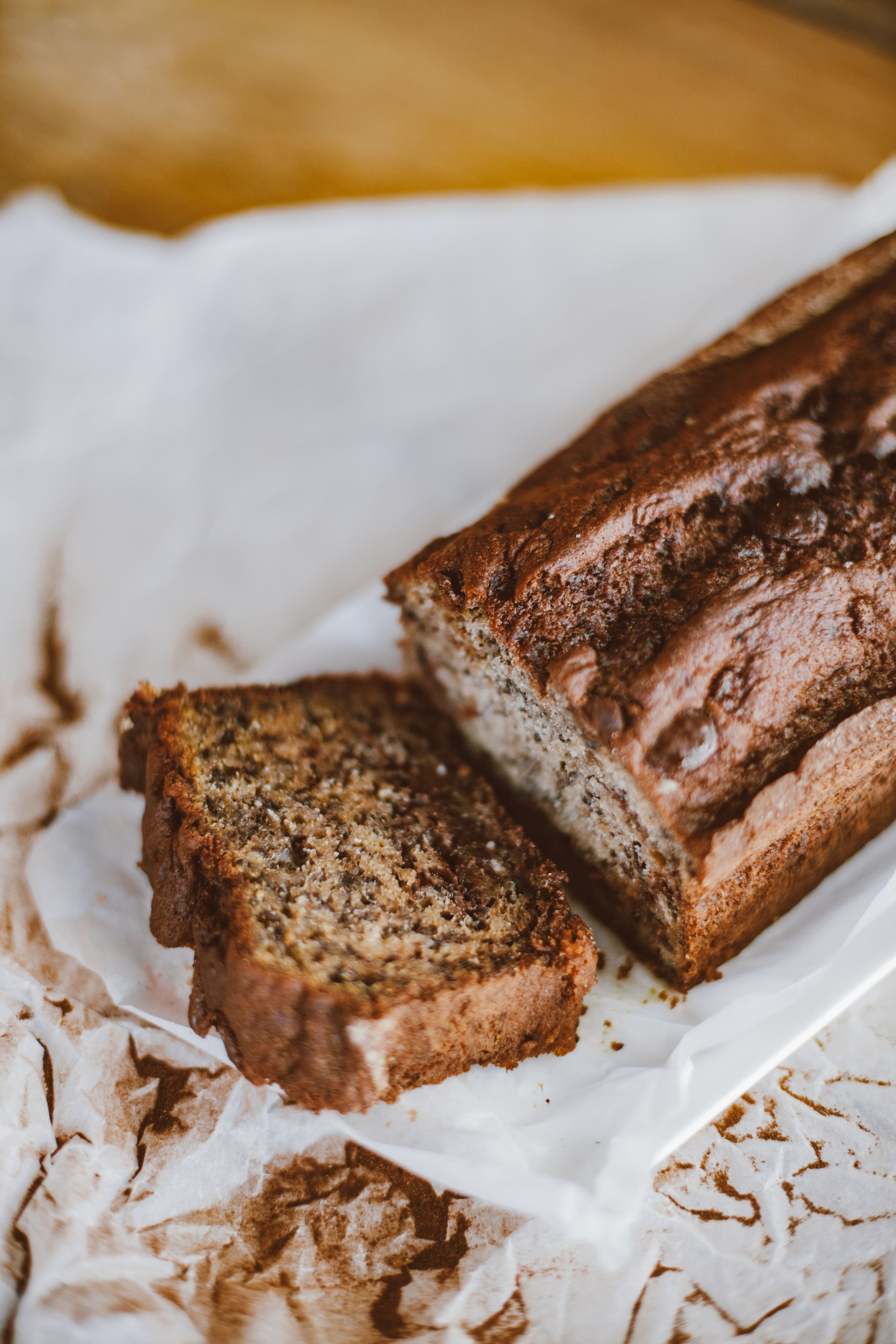
Photo: ROMAN ODINTSOV / Pexels
American
Zucchini Bread
The diets react (see scores below)
Common Ingredients
- zucchini
- flour
- sugar
- eggs
- vegetable oil
- cinnamon
- nutmeg
- baking soda
- salt
- walnuts
Specific recipes may vary.
Incompatible with 7 of 11 diets
Diet Ratings
Zucchini Bread is fundamentally incompatible with a ketogenic diet. Despite containing zucchini (a keto-friendly vegetable on its own), the recipe is dominated by wheat flour and sugar — two of the most keto-incompatible ingredients possible. A standard slice contains roughly 30-40g of net carbs, which alone can exceed or nearly meet the entire daily carb allowance. The flour provides high-glycemic starch, the sugar adds direct glucose load, and vegetable oil (likely soybean or canola) is an inflammatory, low-quality fat. The walnuts, eggs, and spices are keto-friendly, but they cannot offset the dominant carb-heavy ingredients. This is a grain-based, sugar-sweetened baked good regardless of the vegetable component.
This zucchini bread recipe contains eggs, which are a direct animal product and explicitly excluded from a vegan diet. All other ingredients — zucchini, flour, sugar, vegetable oil, cinnamon, nutmeg, baking soda, salt, and walnuts — are fully plant-based. The dish is straightforwardly non-vegan due to the eggs. Vegan versions are easily made by substituting eggs with flax eggs, chia eggs, applesauce, or commercial egg replacers, and the rest of the recipe would then be compliant.
Zucchini Bread contains multiple hard-rule paleo violations. Flour (wheat) is a grain — one of the clearest exclusions in all paleo frameworks. Refined sugar is explicitly prohibited. Vegetable oil is a seed oil, also categorically excluded. Added salt is discouraged. Baking soda is a processed additive. While zucchini, eggs, cinnamon, nutmeg, and walnuts are individually paleo-approved, the foundational structure of this dish — a grain-based, sugar-sweetened, seed-oil-moistened quick bread — is fundamentally incompatible with the Paleolithic diet. No paleo authority or protocol would approve this dish in its standard form.
Zucchini bread, while containing some Mediterranean-friendly ingredients (zucchini, walnuts, eggs, cinnamon), is fundamentally a refined-flour, added-sugar baked good. The combination of white flour and significant sugar places it firmly in the 'refined grains and added sugars' category that the Mediterranean diet discourages. Vegetable oil (likely soybean or canola) replaces the preferred extra virgin olive oil. The zucchini and walnuts are positives, but they don't offset the structural reliance on ingredients the Mediterranean diet minimizes. As an American-style snack bread, it is more dessert than staple food.
Some Mediterranean diet interpreters might view this more charitably as a homemade, vegetable-inclusive baked good with nuts — noting that walnuts and zucchini add meaningful nutritional value. Substituting whole wheat flour, reducing sugar, and using olive oil would bring it closer to acceptable, and some practitioners allow occasional homemade baked goods as preferable to ultra-processed snacks.
Zucchini Bread is entirely incompatible with the carnivore diet. Every ingredient except eggs is either plant-derived or processed: zucchini (vegetable), flour (grain), sugar (refined plant carbohydrate), vegetable oil (plant oil), cinnamon and nutmeg (plant spices), baking soda (non-animal leavening), and walnuts (plant nuts). The single animal-derived ingredient — eggs — is present in a context that does nothing to redeem the dish. This is a plant-heavy baked good with sugar and processed grains at its core, representing essentially the opposite of what the carnivore diet prescribes.
Zucchini bread contains multiple excluded ingredients: flour (a grain), sugar (added sugar), and vegetable oil (which is typically soy or corn-based and excluded). Furthermore, even if all ingredients were somehow made compliant, zucchini bread is explicitly listed as the type of baked good the Whole30 program prohibits recreating — bread falls squarely on the excluded 'baked goods' list regardless of ingredients used.
Traditional zucchini bread is made with wheat flour, which is the primary high-FODMAP ingredient due to its significant fructan content. A standard slice of zucchini bread contains enough wheat flour to push it well into high-FODMAP territory during the elimination phase. Walnuts are low-FODMAP at small servings (10 halves per Monash) but are often used generously in baked goods. Zucchini itself is low-FODMAP at moderate servings (up to 65g per Monash). Sugar, eggs, vegetable oil, cinnamon (small amounts), nutmeg (small amounts), baking soda, and salt are all low-FODMAP. However, the wheat flour alone makes this dish unsuitable for the elimination phase at any realistic serving size. A gluten-free flour substitute (such as rice flour or a certified GF blend) would be needed to make this dish low-FODMAP.
Zucchini bread sits in a gray zone for DASH compliance. The zucchini itself is an excellent DASH vegetable (potassium, magnesium, fiber), and walnuts provide heart-healthy unsaturated fats and magnesium. However, the typical recipe uses refined white flour (not whole grain), a significant amount of added sugar (often 1–1.5 cups per loaf), vegetable oil adding substantial fat, eggs, and salt — making this more of a baked sweet than a DASH-friendly snack. A standard slice delivers roughly 200–250 calories, 10–15g added sugar, modest sodium, and limited fiber relative to its calorie density. It's not categorically excluded the way bacon or processed meats are, but it doesn't align with DASH's emphasis on whole grains, low added sugar, and nutrient-dense foods. Prepared with whole wheat flour, reduced sugar, and minimal salt, it would score higher — but as commonly made, it warrants caution and portion control.
NIH DASH guidelines emphasize limiting added sugars and refined grains, which standard zucchini bread contains in meaningful quantities. However, some DASH-oriented dietitians note that homemade zucchini bread made with whole wheat flour and reduced sugar can serve as a reasonable occasional treat, as the vegetable content and walnuts contribute DASH-positive nutrients — suggesting context and preparation matter significantly for this food.
Zucchini bread presents a mixed Zone profile. The zucchini itself is an excellent low-glycemic Zone-favorable vegetable, and the walnuts provide beneficial omega-3 fatty acids and monounsaturated fats. However, the dominant carbohydrate source is refined white flour combined with added sugar — both high-glycemic, 'unfavorable' carbohydrates in Zone terminology. This combination creates a significant glycemic spike that disrupts the eicosanoid balance Sears targets. The vegetable oil is likely an omega-6-heavy seed oil (soybean, canola), which conflicts with Zone's anti-inflammatory emphasis. The eggs contribute some lean protein, but the macronutrient ratio skews heavily toward high-glycemic carbohydrates with inadequate lean protein, making it difficult to balance into a Zone-compliant snack without significant portion restriction or pairing with additional protein. As a snack, even a small slice would require pairing with lean protein (e.g., a few ounces of turkey) to approach Zone ratios. The walnuts partially redeem the fat profile but cannot overcome the flour-sugar carbohydrate load.
Some Zone practitioners note that small portions of zucchini bread (half a thin slice) could function as a carbohydrate block in a carefully constructed snack when paired with adequate lean protein and a favorable fat. The zucchini content and walnuts do provide some nutritional benefit, and Sears' later writings acknowledge that occasional 'unfavorable' carbohydrate indulgences are manageable if the overall block balance is maintained. The cinnamon may also have mild insulin-sensitizing properties consistent with Zone goals.
Zucchini bread presents a genuinely mixed anti-inflammatory profile. On the positive side, zucchini provides antioxidants and fiber, walnuts are an excellent source of anti-inflammatory omega-3 fatty acids (ALA) and polyphenols, and cinnamon and nutmeg are both anti-inflammatory spices. These ingredients provide meaningful anti-inflammatory contributions. However, the dish is built on a foundation of refined white flour and added sugar — both of which are pro-inflammatory refined carbohydrates that drive insulin spikes and can elevate inflammatory markers like CRP when consumed regularly. The vegetable oil is also a moderate concern: most traditional zucchini bread recipes use refined oils high in omega-6 (soybean, corn, or generic vegetable oil), which anti-inflammatory protocols generally recommend limiting or avoiding. The eggs are neutral-to-positive in context. Overall, this reads as a moderately processed baked good with some genuinely beneficial ingredients — the walnuts and zucchini are real assets — but the refined flour and sugar pull it toward the caution zone. It is not an avoid because the inflammatory burden is less severe than, say, a processed snack cake, and the walnuts and spices offset some harm. Occasional consumption is acceptable; regular snacking would be inadvisable on a strict anti-inflammatory approach.
Some anti-inflammatory practitioners (including those following Dr. Weil's more flexible pyramid) would accept zucchini bread as a reasonable occasional treat, emphasizing the walnuts and zucchini as genuine positives and viewing moderate refined carb consumption as tolerable in an otherwise anti-inflammatory diet. Stricter anti-inflammatory and AIP-aligned practitioners would push this closer to 'avoid' due to the refined flour, added sugar, and high-omega-6 vegetable oil, arguing that even occasional refined carbohydrate loads meaningfully disrupt insulin signaling and inflammatory pathways.
Traditional zucchini bread is a borderline food for GLP-1 patients. On the positive side, it contains zucchini (a hydrating, fiber-contributing vegetable), eggs (modest protein), walnuts (unsaturated fats, omega-3s), and cinnamon (may support blood sugar regulation). However, the dominant macronutrient profile is a problem: refined flour and sugar make it a high-carbohydrate, moderate-sugar baked good with minimal protein per serving. Vegetable oil adds significant fat calories, and walnuts — while nutritionally positive — further increase fat and calorie density. A typical slice (~60-80g) delivers roughly 170-200 calories, 2-3g protein, 1-2g fiber, and 8-10g fat — a poor nutrient-per-calorie ratio for GLP-1 patients who have sharply reduced appetite. The refined flour base slows digestion less helpfully than whole food fiber sources, and the sugar content is counterproductive for blood sugar stability. It is not fried, not carbonated, not spicy, and not alcohol — so it avoids the hard 'avoid' triggers — but as a snack it displaces far more nutritious options. A small portion (half a slice) alongside a high-protein food (cottage cheese, Greek yogurt) makes it more acceptable. Versions made with whole wheat flour, reduced sugar, and added protein powder would score higher.
Some GLP-1-focused RDs view homemade zucchini bread favorably compared to ultra-processed snacks, arguing that the eggs, walnuts, and vegetable content make it a meaningful upgrade from cookies or crackers, and that rigid avoidance of familiar comfort foods undermines long-term adherence. Others counter that for patients eating as few as 1,000-1,200 calories daily, even modest-sugar baked goods crowd out protein and fiber targets and should be minimized regardless of their 'whole food' ingredients.
*See how scores were generated at our methodology page.
Nutritional profile
Six traits that cut across every diet.
Fiber & Plants
How much whole-plant food and fiber it delivers.
Healthy Fats
The quality of its fats (unsaturated, omega-3).
Whole / Unprocessed
How close it is to its natural, unprocessed form.
Gut Gentle
How easy it is on digestion (low FODMAP, few irritants).
Low Glycemic
How little it spikes your blood sugar.
Protein Density
How much protein it packs per calorie.
Controversy Index
Higher controversy = more disagreement between diets.
Diet-Specific Tips
 DASH — 4/10
View tips
- Contains refined white flour rather than whole grain — DASH emphasizes whole grains
- High added sugar content (typically 1–1.5 cups per loaf) conflicts with DASH's limit on sweets
- Vegetable oil adds caloric fat load; not inherently DASH-problematic but contributes to calorie density
- Zucchini is an excellent DASH vegetable contributing potassium, magnesium, and fiber
- Walnuts are DASH-approved nuts providing healthy unsaturated fats and magnesium
- Moderate sodium from salt and baking soda — not alarmingly high but present
- Whole wheat flour and reduced sugar substitutions would meaningfully improve DASH compatibility
- As a snack category, DASH prefers nuts, fruits, or vegetables over baked sweets
 Zone — 4/10
View tips
- Refined white flour is a high-glycemic 'unfavorable' carbohydrate in Zone terminology
- Added sugar further elevates glycemic load, disrupting eicosanoid balance
- Zucchini is a Zone-favorable low-glycemic vegetable but is a minor contributor to the overall carb profile
- Walnuts provide omega-3 fatty acids and monounsaturated fats, a Zone-positive element
- Vegetable oil is likely omega-6-heavy (e.g., soybean oil), conflicting with Zone's anti-inflammatory emphasis
- No lean protein source — as a snack, must be paired with protein to approach 40/30/30 ratio
- Overall macronutrient ratio skews far from Zone's 40/30/30 target without careful portioning and pairing
 Anti-Inflammatory — 5/10
View tips
- Walnuts provide anti-inflammatory ALA omega-3 fatty acids and polyphenols — a significant positive
- Zucchini contributes antioxidants, fiber, and micronutrients
- Cinnamon and nutmeg are anti-inflammatory spices
- Refined white flour is a pro-inflammatory refined carbohydrate
- Added sugar elevates inflammatory markers (CRP, IL-6) and should be limited
- Generic vegetable oil likely high in omega-6 — anti-inflammatory protocols recommend limiting or avoiding
- Overall profile: beneficial inclusions partially undermined by a refined-carb, added-sugar baked good base
 GLP-1 Friendly — 4/10
View tips
- Low protein per serving (~2-3g) — fails the GLP-1 protein priority at snack time
- Refined flour and added sugar reduce nutrient density per calorie
- Moderate fat from vegetable oil and walnuts — walnuts are unsaturated/omega-3 positive, but total fat is still high for GLP-1 tolerance
- Zucchini contributes hydration and some fiber but is diluted by other ingredients
- Not fried, not carbonated, not spicy — avoids hard 'avoid' triggers
- Portion-sensitive: a full slice is borderline; a half slice paired with protein is more acceptable
- Homemade versions can be improved with whole wheat flour, reduced sugar, and protein powder